
Childhood Depression vs Adult Depression: Signs Parents Shouldn’t Ignore and When to Seek Help
Mental health concerns can affect people of all ages, but depression in children often goes unnoticed or misunderstood. While adults may recognise and express emotional distress, children usually show symptoms differently through behaviour, academic performance, or physical complaints. Understanding the difference between childhood depression and adult depression is crucial for early diagnosis and timely treatment.
With increasing academic pressure, screen exposure, social challenges, and lifestyle changes, childhood depression is becoming more common than ever. Recognising the early warning signs and knowing when to seek professional help can make a life-changing difference.
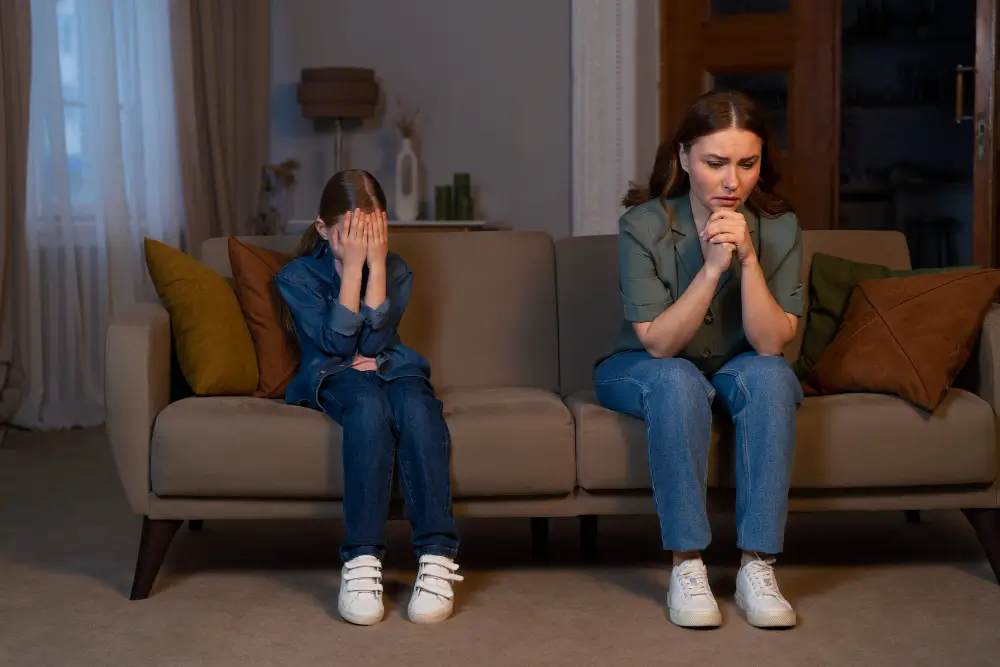
This blog explains the key differences between childhood and adult depression, symptoms parents should never ignore, and when to consult a mental health expert like Dr Prabhojit Mohanty.
Understanding Depression: Children vs Adults
Depression is a medical condition that affects mood, thinking, behaviour, and daily functioning. However, childhood depression and adult depression present differently and require different approaches to care.
Childhood Depression
Children often struggle to express emotions verbally. Their depression may appear as:
- Irritability or anger
- Social withdrawal
- Declining academic performance
- Physical complaints like stomach aches
- Changes in sleep or appetite
Adult Depression
Adults tend to experience:
- Persistent sadness or hopelessness
- Loss of interest in activities
- Fatigue and low energy
- Difficulty concentrating
- Sleep disturbances
- Feelings of worthlessness
Unlike adults, children may not say they are “sad.” Instead, they may act out, become withdrawn, or show unexplained behavioral changes.
Key Signs of Childhood Depression Parents Shouldn’t Ignore
Emotional Signs
- Frequent sadness or crying
- Excessive fear or worry
- Feelings of worthlessness
- Low self-esteem
Behavioral Signs
- Sudden drop in academic performance
- Loss of interest in play or hobbies
- Aggression or irritability
- Social isolation
Physical Signs
- Headaches or stomach pain with no medical cause
- Changes in sleep patterns
- Loss or increase in appetite
- Fatigue or low energy
Warning Signs That Need Immediate Attention
- Talking about death or self-harm
- Extreme mood swings
- Withdrawal from family and friends
- Risk-taking behavior
If these signs persist for more than two weeks, it is important to seek professional help.
Childhood Depression vs Adult Depression: Key Differences
Aspect | Childhood Depression | Adult Depression |
Expression | Irritability, anger, behavioural issues | Sadness, hopelessness |
Communication | Difficulty expressing feelings | Able to verbalise emotions |
Impact | School, social behaviour | Work, relationships |
Diagnosis | Often delayed or missed | More easily recognized |
Treatment | Therapy + family support | Therapy, medication |
Causes of Childhood Depression
Several factors may contribute to depression in children, including:
- Genetic predisposition
- Family conflict or trauma
- Academic pressure
- Bullying or social isolation
- Loss of a loved one
- Chronic illness
- Excessive screen time and lack of physical activity
Early identification and emotional support play a major role in recovery.
When Should Parents Seek Professional Help?
You should consult a mental health specialist if:
- Symptoms last longer than two weeks
- Your child avoids school or social interactions
- There are sudden personality changes
- Your child talks about self-harm or death
- Daily functioning is affected
Timely evaluation by an expert can prevent long-term emotional and psychological complications.
Treatment Options for Childhood Depression
Treatment is personalised and may include:
Psychological Therapy
- Cognitive Behavioural Therapy (CBT)
- Play therapy
- Family counseling
Medical Support
- Medication (only when required and closely monitored)
- Treatment of associated anxiety or behavioural issues
Lifestyle & Emotional Support
- Healthy sleep routine
- Physical activity
- Open communication at home
- Reduced screen time
Under expert guidance, most children recover well and lead healthy emotional lives.
Expert Care by Dr Prabhojit Mohanty
Dr Prabhojit Mohanty is experienced in diagnosing and managing childhood and adolescent mental health concerns. With a compassionate, child-friendly approach, Dr Mohanty focuses on identifying root causes and providing evidence-based treatment tailored to each child’s emotional needs.
FAQs - Childhood Depression
Q1. Can children really suffer from depression?
Yes. Childhood depression is real and increasingly common. It affects emotional, academic, and social development if left untreated.
Q2. How is childhood depression different from normal sadness?
Normal sadness is temporary. Depression lasts longer, affects daily life, and includes behavioural and physical symptoms.
Q3. At what age can depression start?
Depression can occur even in young children, though it is more commonly identified during school-age years and adolescence.
Q4. Is medication always required for childhood depression?
No. Many children respond well to therapy and lifestyle changes. Medication is prescribed only when necessary and under medical supervision.
Q5. When should parents consult a doctor?
If symptoms persist for more than two weeks or interfere with school, relationships, or daily activities, professional help should be sought.
If you notice emotional or behavioural changes in your child, don’t ignore the signs. Early intervention can make a lifelong difference.
📞 Book a consultation with Dr Prabhojit Mohanty today
🧠 Get expert evaluation and compassionate care for your child’s mental well-being
📍 Supportive, confidential, and child-friendly mental health care
Contact Details:
Dr. Prabhojit Mohanty
Psychiatrist in Malad, Mumbai
Address: Altiuz Hospital, 1st Floor, Link House, New Link Rd, near Malad West Malad, Rajan Pada, Chincholi Bunder, Malad West, Mumbai, Maharashtra 400064
Phone: 070082 66758
Website: psychiatristmumbai.in