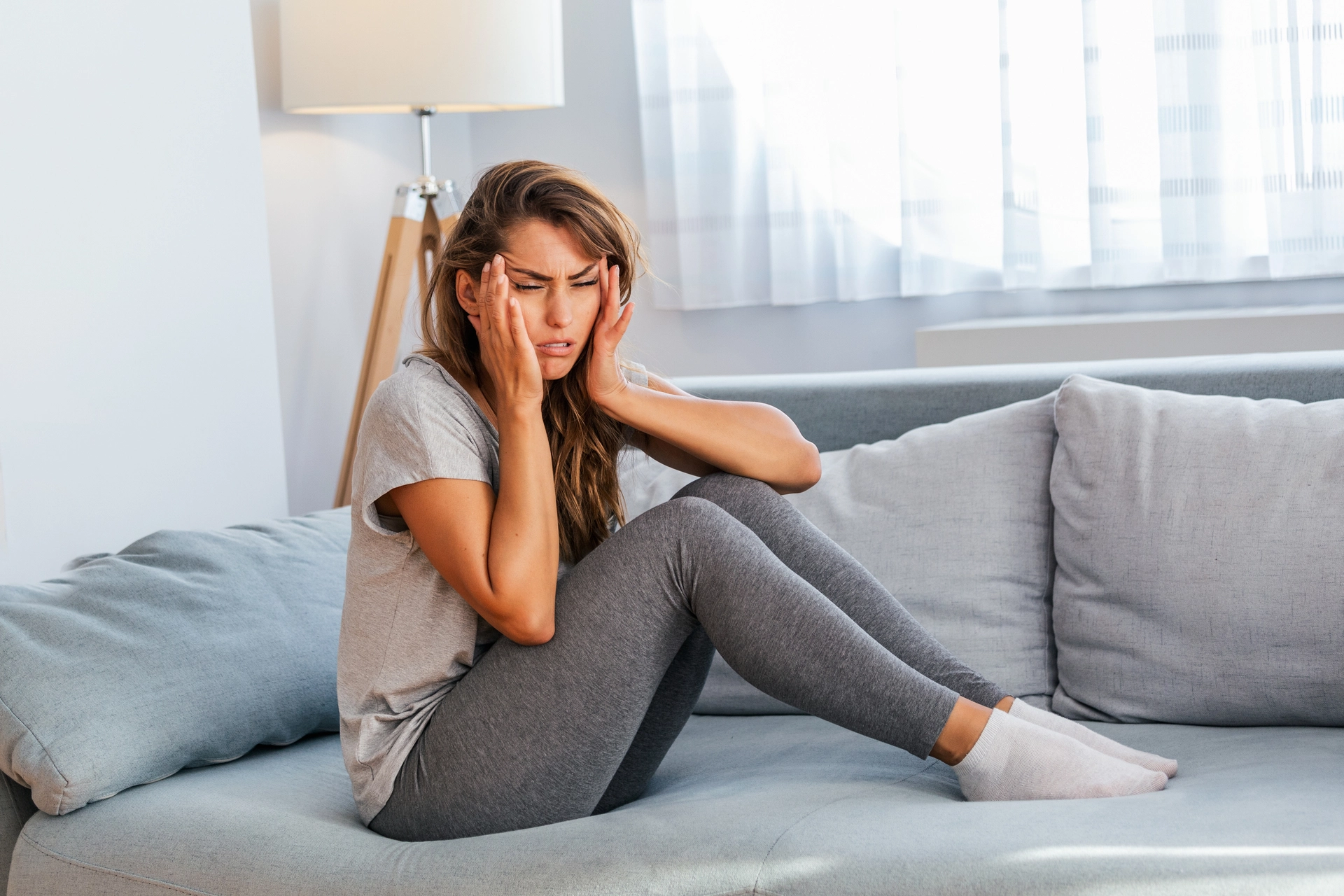
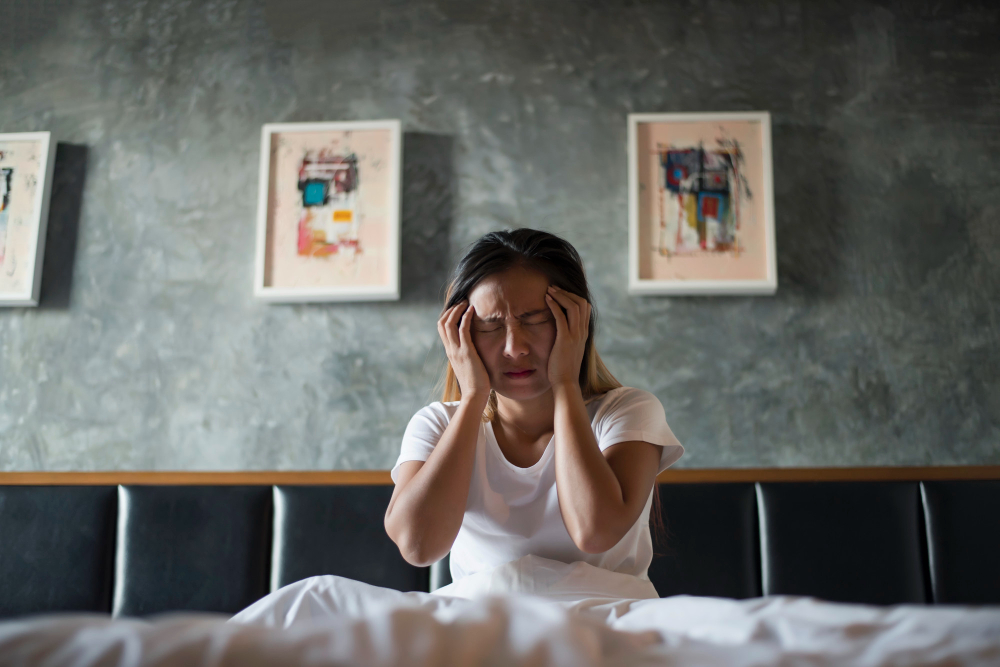
From My Clinic: Real Reasons Why Therapy Fails for Some Patients Therapy is often seen as a powerful tool for emotional healing and mental well being. While many individuals benefit significantly from counselling and psychiatric care, there are situations where therapy may not deliver the expected results. In clinical practice, it is not uncommon to meet patients who feel that therapy “is not working” for them. Understanding the real reasons behind this can help individuals approach treatment more effectively and improve outcomes. If you are facing similar challenges, consulting a Psychiatrist in Goregaon can help reassess your treatment plan and guide you toward better results. Understanding Why Therapy May Not Work for Everyone What Does “Therapy Not Working” Really Mean? When patients say therapy is not helping, it may reflect: Lack of noticeable improvement in symptoms Difficulty connecting with the therapist Unrealistic expectations about outcomes Inconsistent participation in sessions It is important to recognise that therapy is a gradual process. Unlike medications that may provide quicker symptom relief, therapy often works through behavioural and cognitive changes that take time to develop. Common Reasons Why Therapy Fails for Some Patients 1. Lack of Consistency in Sessions One of the most frequent reasons therapy does not work is irregular attendance. Therapy requires continuity. Missing sessions disrupts progress and slows recovery. 2. Unrealistic Expectations from Therapy Many individuals expect quick solutions. However, therapy involves: Understanding thought patterns Processing emotions Developing coping strategies Expecting instant results can lead to disappointment. 3. Lack of Active Participation Therapy requires active involvement, including: Open communication Practising techniques outside sessions Self reflection Without participation, progress is limited. 4. Poor Therapist–Patient Fit The therapeutic relationship is crucial. If there is: Lack of trust Poor communication Discomfort in sharing Therapy may feel ineffective. In such cases, a psychiatrist in Malad can help you find a better suited therapeutic approach or professional. 5. Incorrect Type of Therapy Different conditions require different therapies: CBT for anxiety and depression Psychodynamic therapy for deeper emotional issues Behavioural therapy for habit related concerns Choosing the right method is essential. 6. Underlying Psychiatric Conditions Not Addressed Some conditions require more than therapy alone. These include: Severe depression Anxiety disorders Bipolar disorder A combination of therapy and medication, guided by a psychiatrist in Malad, may be necessary for effective treatment. 7. Resistance to Change Therapy challenges existing patterns. Resistance due to fear or discomfort can slow progress. 8. External Life Stressors Ongoing stress such as work pressure or relationship issues can interfere with therapy outcomes. 9. Lack of Time and Patience Therapy takes time. Discontinuing too early often leads to incomplete results. Signs That Therapy May Not Be Working Possible indicators include: No improvement despite multiple sessions Feeling misunderstood Lack of clear goals Increased frustration In such situations, reassessment by a qualified psychiatrist in Goregaon can help modify the approach and improve outcomes. How to Make Therapy More Effective Clear Communication Being honest about your thoughts helps guide therapy effectively. Setting Realistic Goals Goals should be: Specific Achievable Measurable Consistency and Commitment Regular sessions are key to progress. Openness to Feedback Constructive feedback can accelerate improvement. Combining Therapy with Other Treatments Integrating: Medication Lifestyle changes Stress management can enhance results when guided by a mental health expert. When Should You Seek a Second Opinion? If therapy does not seem effective, you may: Consult another professional Explore different therapy methods Reassess diagnosis Seeking a second opinion from a trusted psychiatrist in Malad can provide new insights and improve your treatment journey. Frequently Asked Questions (FAQs) 1. Why does therapy fail for some patients? Therapy may fail due to lack of consistency, unrealistic expectations, poor therapist-patient match, or resistance to change. 2. How do I know if my therapist is not right for me? If you feel unheard, uncomfortable, or not progressing after multiple sessions, it may indicate a mismatch. 3. Can therapy work if I’m not fully open? Therapy is less effective without honesty and openness, as therapists rely on accurate information to guide treatment. 4. How long should therapy take to show results? It varies, but noticeable progress often takes a few weeks to months depending on the issue and commitment. 5. What are common mistakes patients make in therapy? Skipping sessions, expecting quick fixes, not applying techniques, and withholding information are common mistakes. 6. Should I quit therapy if I don’t see results? Not immediately—discuss concerns with your therapist first. Adjustments or switching therapists may help before quitting. Therapy may fail due to lack of consistency, unrealistic expectations, poor therapist-patient match, or resistance to change. If you feel unheard, uncomfortable, or not progressing after multiple sessions, it may indicate a mismatch. Therapy is less effective without honesty and openness, as therapists rely on accurate information to guide treatment. It varies, but noticeable progress often takes a few weeks to months depending on the issue and commitment. Skipping sessions, expecting quick fixes, not applying techniques, and withholding information are common mistakes. Not immediately—discuss concerns with your therapist first. Adjustments or switching therapists may help before quitting. Conclusion Therapy can be highly effective, but its success depends on multiple factors beyond just attending sessions. Lack of consistency, unrealistic expectations, poor therapist fit, and untreated underlying conditions are some of the real reasons why therapy may fail for some patients. Understanding these factors can help individuals approach therapy with the right mindset. With the right guidance, commitment, and support from an experienced psychiatrist in Goregaon, therapy can become a powerful tool for long term mental well being. Contact Details: Dr. Prabhojit Mohanty Psychiatrist in Malad, Mumbai Address: Altiuz Hospital, 1st Floor, Link House, New Link Rd, near Malad West Malad, Rajan Pada, Chincholi Bunder, Malad West, Mumbai, Maharashtra 400064 Phone: 070082 66758 Website: psychiatristmumbai.in

If I Could Tell Every Patient One Thing About Anxiety, It Would Be This If there is one message every clinician wishes patients understood about anxiety, it is this: anxiety is not just “in your mind”—it is a real, measurable condition that affects both the brain and body, and it deserves proper understanding and care. Many individuals dismiss their symptoms or normalise constant worry, assuming it is part of daily life. However, recognising the meaning, its symptoms, and when it becomes an anxiety disorder is essential for early intervention and effective management. If you are experiencing persistent symptoms, consulting a Psychiatrist in Goregaon can help you receive the right diagnosis and treatment. Understanding Anxiety: More Than Just Stress What Is Anxiety? The anxiety meaning refers to a natural emotional response to stress, danger, or uncertainty. It is part of the body’s survival mechanism, often described as the “fight or flight” response. However, anxiety becomes a concern when it is: Persistent Excessive Difficult to control Disproportionate to the situation At this stage, it may indicate an anxiety disorder, which requires clinical attention. When Does Anxiety Become a Disorder? An anxiety disorder is a mental health condition where anxiety interferes with daily functioning, relationships, or overall well being. Common types include: Generalised Anxiety Disorder (GAD) Panic Disorder Social anxiety Phobias Unlike temporary stress, these conditions are ongoing and may worsen without treatment. Anxiety Symptoms: What the Body Is Trying to Tell You Recognising anxiety symptoms is crucial for early diagnosis. Psychological Symptoms Constant worry or overthinking Difficulty concentrating Irritability Feeling overwhelmed Physical Symptoms Rapid heartbeat Shortness of breath Muscle tension Sweating Fatigue Behavioural Symptoms Avoidance of situations Restlessness Sleep disturbances These symptoms often overlap and may vary in intensity from person to person. What Is an Anxiety Attack? Many patients ask, “What is an anxiety attack?” An anxiety attack is a sudden episode of intense fear or discomfort that peaks within minutes. It can occur unexpectedly or be triggered by specific situations. Common Features of an Anxiety Attack Palpitations or racing heart Chest tightness Dizziness Feeling of losing control Fear of impending danger Although distressing, anxiety attacks are not life threatening but require proper management. Anxiety vs Anxiety Attacks: Understanding the Difference Anxiety is a prolonged state of worry An anxiety attack is a short, intense episode Both require attention, especially if frequent or severe. Social Anxiety: When Everyday Interactions Feel Overwhelming Social anxiety is more than shyness. It is a condition where individuals experience intense fear in social or performance situations. People with social anxiety may: Avoid speaking in groups Fear embarrassment or judgement Experience physical symptoms like sweating or trembling Seeking help from a qualified psychiatrist in Malad can significantly improve confidence and quality of life. Anxiety Treatment: What Actually Helps The good news is that anxiety treatment is highly effective when approached correctly. 1. Psychological Therapies Cognitive Behavioural Therapy (CBT) Exposure therapy Mindfulness based interventions 2. Anxiety Medication In some cases, anxiety medication may be recommended. It should always be prescribed by a qualified psychiatrist. 3. Lifestyle Modifications Regular physical activity Adequate sleep Balanced nutrition Limiting caffeine Stress management techniques A personalised treatment plan from a Psychiatrist in Goregaon ensures the best outcomes based on individual needs. The One Thing Every Patient Should Know If there is one takeaway, it is this: Ignoring anxiety does not make it go away—it often makes it stronger. Early recognition and intervention can: Prevent worsening of symptoms Reduce anxiety attacks Improve quality of life Help regain control When Should You Seek Professional Help? Consult a mental health professional if: Symptoms persist for weeks or months Anxiety interferes with daily life You experience frequent anxiety attacks Avoidance behaviour increases Physical symptoms remain unexplained If you are based in Mumbai, reaching out to a trusted psychiatrist in Malad can help you begin the recovery process with expert guidance. Frequently Asked Questions (FAQs) 1. What is the most important advice for anxiety patients? The most important advice is understanding that thoughts are not facts. Learning to observe them without reacting can reduce anxiety significantly. 2. Can anxiety be controlled without medication? Yes, many people manage anxiety through therapy, lifestyle changes, mindfulness, and breathing techniques, though some may still need medical support. 3. Why does anxiety feel so overwhelming? Anxiety triggers the body’s fight-or-flight response, making even small thoughts feel intense and hard to control. 4. How can I stop overthinking? Practice grounding techniques, limit “what if” thinking, and shift focus to the present moment instead of imagined outcomes. 5. Is anxiety a lifelong condition? Not necessarily. With the right tools and support, many people significantly reduce or even overcome their anxiety symptoms. 6. When should I seek professional help for anxiety? If anxiety affects your daily life, sleep, work, or relationships, it’s important to consult a mental health professional. The most important advice is understanding that thoughts are not facts. Learning to observe them without reacting can reduce anxiety significantly. Yes, many people manage anxiety through therapy, lifestyle changes, mindfulness, and breathing techniques, though some may still need medical support. Anxiety triggers the body’s fight-or-flight response, making even small thoughts feel intense and hard to control. Practice grounding techniques, limit “what if” thinking, and shift focus to the present moment instead of imagined outcomes. Not necessarily. With the right tools and support, many people significantly reduce or even overcome their anxiety symptoms. If anxiety affects your daily life, sleep, work, or relationships, it’s important to consult a mental health professional. Conclusion Understanding anxiety meaning, recognising anxiety symptoms, and identifying when it becomes an anxiety disorder are essential steps toward better mental health. Whether it is social anxiety, recurrent anxiety attacks, or ongoing distress, effective anxiety treatment—including therapy and anxiety medication when required—can significantly improve outcomes. The most important message remains: You do not have to live with untreated anxiety. Seeking help from an experienced Psychiatrist in Goregaon can make a meaningful difference in your journey toward mental well being. Contact Details: Dr. Prabhojit Mohanty Psychiatrist
Why Am I Always Overthinking? Signs It Could Be Anxiety Disorder Overthinking is often dismissed as a personality trait or a temporary phase. However, when thoughts become repetitive, intrusive, and difficult to control, it may indicate something deeper. Understanding anxiety disorders can help explain why your mind struggles to switch off. Many individuals who constantly overthink are not simply “thinking too much”—they may be experiencing underlying anxiety that affects their thought patterns, emotions, and daily functioning. If you are searching for support, consulting a psychiatrist in Malad can help you understand and manage these symptoms effectively. Understanding Overthinking and Anxiety What Is Anxiety Disorder? Anxiety disorder is a group of mental health conditions characterised by excessive fear, worry, or nervousness that persists over time. To clarify: Anxiety disorder refers to persistent and excessive worry that interferes with daily life. The anxiety disorder definition includes emotional, cognitive, and physical symptoms that go beyond normal stress responses. Unlike occasional worry, anxiety disorders can make even routine situations feel overwhelming, leading to continuous overthinking. Why Does Anxiety Cause Overthinking? Overthinking is one of the most common cognitive symptoms of anxiety. The brain remains in a constant “alert mode,” trying to anticipate problems or prevent negative outcomes. This happens because: The brain perceives threats even when none exist There is difficulty tolerating uncertainty Thought loops become repetitive and hard to stop As a result, individuals may: Replay past situations repeatedly Imagine worst case scenarios Struggle to make decisions Types of Anxiety Disorders There are different types of anxiety disorders, and each may present with varying patterns of overthinking: Generalised Anxiety Disorder (GAD) Persistent and excessive worry about multiple aspects of life. Panic Disorder (Panic Anxiety Disorder) Sudden, intense episodes of fear accompanied by physical symptoms like palpitations and breathlessness. Social Anxiety Disorder Fear of social interactions and constant worry about being judged. Phobias Intense fear of specific objects or situations. Anxiety Disorder Symptoms Recognising anxiety disorder symptoms is important to differentiate normal worry from a clinical condition. Cognitive Symptoms (Linked to Overthinking) Constant worry or racing thoughts Difficulty concentrating Repetitive negative thinking Fear of making mistakes Emotional Symptoms Irritability Restlessness Feeling overwhelmed Physical Symptoms Increased heart rate Muscle tension Fatigue Sleep disturbances Behavioural Patterns Avoidance of situations Procrastination due to fear Seeking constant reassurance When Overthinking Becomes a Concern Occasional overthinking is common. However, it may indicate an anxiety disorder when: Thoughts feel uncontrollable Worry persists for weeks or months It interferes with sleep or daily functioning You experience physical symptoms along with worry If these signs are present, it may be more than just a habit—it could be a diagnosable mental health condition. Consulting a qualified Psychiatrist in Goregaon` can help you get a proper evaluation and early intervention. The Link Between Panic and Overthinking In conditions like panic anxiety disorder, overthinking often revolves around the fear of future panic attacks. Individuals may: Constantly monitor their body for symptoms Avoid places where panic occurred before Develop a fear of losing control This creates a cycle where overthinking increases anxiety, and anxiety further fuels overthinking. How Is Anxiety Disorder Treated? Treatment depends on the severity and type of anxiety. 1. Psychological Therapies Cognitive Behavioural Therapy (CBT) Mindfulness based therapies Stress management techniques These approaches help break negative thought patterns and reduce overthinking. 2. Anxiety Disorder Medication In some cases, anxiety disorder medication may be prescribed by a psychiatrist to regulate brain chemistry and reduce symptoms. 3. Lifestyle Modifications Regular physical activity Structured sleep routine Limiting caffeine and screen time Practising relaxation techniques When Should You Seek Professional Help? Consider consulting a mental health professional if: Overthinking affects your daily life You experience persistent anxiety symptoms Panic episodes occur frequently Self help strategies are not effective If you are based in Mumbai, reaching out to a trusted psychiatrist in Malad can help you access timely and effective treatment. Frequently Asked Questions (FAQs) 1. What is overthinking anxiety disorder? It refers to excessive, repetitive thinking patterns often linked with anxiety disorders, where thoughts become difficult to control and cause distress. 2. How do I know if my overthinking is anxiety-related? If your thoughts are constant, intrusive, and affect sleep, mood, or daily functioning, it may be linked to an anxiety disorder. 3. What are common signs of anxiety-related overthinking? Common signs include constant worry, fear of worst-case scenarios, decision paralysis, restlessness, and difficulty concentrating. 4. Can overthinking lead to physical symptoms? Yes, it can cause headaches, fatigue, muscle tension, rapid heartbeat, and sleep disturbances. 5. How can I stop overthinking caused by anxiety? Techniques like mindfulness, journaling, therapy, relaxation exercises, and limiting triggers can help manage overthinking. 6. When should I seek professional help? If overthinking interferes with your daily life, relationships, or mental well-being, it’s advisable to consult a mental health professional. It refers to excessive, repetitive thinking patterns often linked with anxiety disorders, where thoughts become difficult to control and cause distress. If your thoughts are constant, intrusive, and affect sleep, mood, or daily functioning, it may be linked to an anxiety disorder. Common signs include constant worry, fear of worst-case scenarios, decision paralysis, restlessness, and difficulty concentrating. Yes, it can cause headaches, fatigue, muscle tension, rapid heartbeat, and sleep disturbances. Techniques like mindfulness, journaling, therapy, relaxation exercises, and limiting triggers can help manage overthinking. If overthinking interferes with your daily life, relationships, or mental well-being, it’s advisable to consult a mental health professional. Conclusion Overthinking is not always just a personality trait—it can be a sign of an underlying anxiety disorder. Understanding the meaning of anxiety disorders, recognising anxiety disorder symptoms, and identifying the types of anxiety disorders can help you take the first step toward better mental health. With the right support, therapy, and—when needed—anxiety disorder medication, it is possible to regain control over your thoughts and lead a more balanced life. Seeking guidance from an experienced Psychiatrist in Goregaon can make a significant difference in your recovery journey. Contact Details: Dr. Prabhojit Mohanty Psychiatrist in Malad,
PTSD vs Anxiety vs Depression: Differences, Similarities, and How to Know Which One It Is PTSD, anxiety, and depression, some Mental health conditions often share overlapping symptoms, which can make it difficult to understand what you or a loved one may be experiencing. Many people search online, wondering why they feel constantly worried, emotionally numb, fearful, or exhausted and whether these feelings point to trauma, anxiety, or depression. Understanding the difference between these conditions is crucial because each requires a different treatment approach. Early diagnosis by a qualified mental health professional can significantly improve recovery and quality of life. This guide explains the key differences, similarities, symptoms, causes, and treatment options to help you identify when it’s time to seek professional help. What Is PTSD (Post-Traumatic Stress Disorder)? Post-Traumatic Stress Disorder (PTSD) is a trauma-related mental health condition that develops after experiencing or witnessing a deeply distressing or life-threatening event. Common PTSD Symptoms Flashbacks or intrusive memories Nightmares related to the traumatic event Emotional numbness or detachment Avoidance of reminders of the trauma Hypervigilance and exaggerated startle response Difficulty sleeping or concentrating PTSD symptoms usually appear after a traumatic incident, such as an accident, abuse, assault, natural disaster, or combat exposure. What Is Anxiety Disorder? Anxiety disorders are characterised by persistent, excessive worry or fear that interferes with daily functioning even when no immediate danger exists. Common Anxiety Disorder Symptoms Constant worrying or racing thoughts Restlessness or feeling “on edge” Rapid heartbeat, sweating, or trembling Difficulty concentrating Panic attacks Fear of losing control Unlike PTSD, anxiety disorders are not always linked to a specific traumatic event and may develop gradually over time. What Is Depression? Depression (Major Depressive Disorder) is a mood disorder marked by persistent sadness, low motivation, and loss of interest in activities once enjoyed. Common Depression Symptoms Prolonged sadness or emptiness Fatigue or low energy Loss of interest or pleasure Changes in appetite or sleep patterns Feelings of worthlessness or guilt Difficulty concentrating Thoughts of self-harm or hopelessness Depression can exist independently or alongside anxiety or PTSD. PTSD vs Anxiety vs Depression: Key Differences Explained Aspect PTSD Anxiety Depression Root Cause Trauma-related Ongoing fear or worry Persistent low mood Trigger Specific traumatic event Often no clear trigger Can be situational or biological Core Emotion Fear, threat response Worry, nervousness Sadness, emptiness Memory Impact Flashbacks & nightmares Overthinking Rumination Emotional State Hyper-alert or numb Restless Withdrawn Explained Similarities Between PTSD, Anxiety, and Depression Despite their differences, these conditions share several common features: Sleep disturbances Difficulty concentrating Irritability Emotional distress Physical symptoms like fatigue or tension It is also common for people to experience more than one condition simultaneously, making professional evaluation essential. How to Know Which One You Have? You may suspect PTSD if: Your symptoms began after a traumatic event You experience flashbacks or trauma-related nightmares You may suspect anxiety if: Your mind constantly worries without a clear reason You experience frequent panic attacks You may suspect depression if: You feel persistently low or hopeless You’ve lost interest in daily life Your symptoms began after a traumatic event You experience flashbacks or trauma-related nightmares Your mind constantly worries without a clear reason You experience frequent panic attacks You feel persistently low or hopeless You’ve lost interest in daily life However, self diagnosis is not reliable. A comprehensive psychiatric evaluation helps identify the exact condition and rules out overlap. Diagnosis and Mental Health Treatment in Mumbai Accurate diagnosis involves: Detailed clinical interviews Psychological assessments Symptom history analysis Dr Prabhojit Mohanty, Psychiatrist in Mumbai, specialises in diagnosing and treating PTSD, anxiety disorders, and depression using evidence-based and personalised treatment plans. Treatment may include: Psychotherapy (CBT, trauma-focused therapy) Medication management Lifestyle and stress management strategies When Should You See a Psychiatrist You should seek professional help if: Symptoms persist for more than two weeks Daily functioning is affected You experience panic attacks or flashbacks You feel emotionally overwhelmed or hopeless Early treatment leads to better long-term outcomes and faster recovery Frequently Asked Questions (FAQs) Can PTSD turn into anxiety or depression? Yes. Untreated PTSD can lead to anxiety disorders or depression over time. Is anxiety more common than PTSD? Yes, anxiety disorders are more common, while PTSD occurs specifically after trauma. Can someone have anxiety and depression together? Absolutely. Many individuals experience both conditions simultaneously. How long does treatment take? Treatment duration varies depending on severity, diagnosis, and individual response. Is medication always required? Not always. Some individuals improve with therapy alone, while others benefit from medication. Yes. Untreated PTSD can lead to anxiety disorders or depression over time. Yes, anxiety disorders are more common, while PTSD occurs specifically after trauma. Absolutely. Many individuals experience both conditions simultaneously. Treatment duration varies depending on severity, diagnosis, and individual response. Not always. Some individuals improve with therapy alone, while others benefit from medication. Take the First Step Towards Mental Wellness If you’re struggling to understand whether you’re dealing with PTSD vs anxiety vs depression, professional guidance can make all the difference. Consult Dr Prabhojit Mohanty, Psychiatrist in Mumbai, for accurate diagnosis, compassionate care, and personalised mental health treatment. Conclusion Understanding the difference between PTSD vs anxiety vs depression is an important step towards better mental health. While these conditions may share similar symptoms, their causes and treatment approaches vary significantly. Recognising the signs early and seeking professional evaluation can prevent symptoms from worsening and support long-term recovery. With the right diagnosis and timely psychiatric care, individuals can manage symptoms effectively and regain emotional balance and quality of life. Contact Details: Dr. Prabhojit Mohanty Psychiatrist in Malad, Mumbai Address: Altiuz Hospital, 1st Floor, Link House, New Link Rd, near Malad West Malad, Rajan Pada, Chincholi Bunder, Malad West, Mumbai, Maharashtra 400064 Phone: 070082 66758 Website: psychiatristmumbai.in
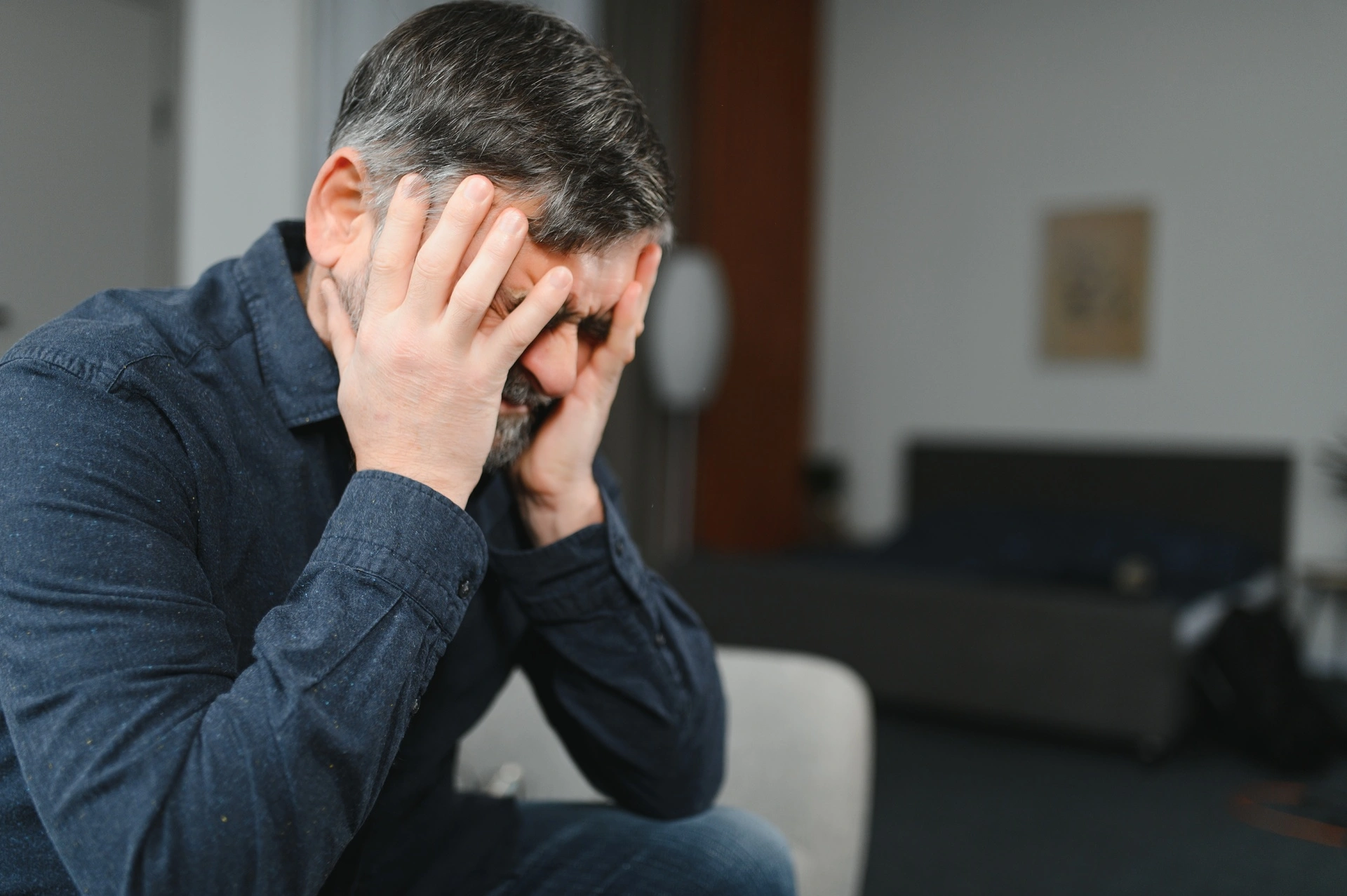
Anxiety Attack Treatment in Mumbai: A Complete Patient Guide by Dr Prabhojit Mohanty Anxiety attacks can be frightening, overwhelming, and most importantly, treatable. If you or a loved one has experienced sudden surges of fear with physical symptoms like chest tightness, breathlessness, a racing heart, dizziness, or trembling, you’re not alone. With the right approach, people recover, regain control, and return to daily life with confidence. This in-depth guide on anxiety attack treatment in Mumbai is written to help you understand what’s happening, what your options are, and how Dr Prabhojit Mohanty can support you with compassionate, evidence-based care. What Is an Anxiety Attack? An anxiety attack is a period of intense fear or discomfort that develops quickly, often within minutes, and is accompanied by physical and psychological symptoms. Many patients use “anxiety attack” and “panic attack” interchangeably; in clinical practice, the pattern and triggers help your psychiatrist distinguish between them and guide treatment. Common symptoms include: Pounding or racing heart, palpitations Shortness of breath, chest tightness or pain Sweating, trembling, chills or hot flushes Nausea, “butterflies,” or stomach discomfort Dizziness, light-headedness, tingling or numbness Feeling detached from reality or oneself (derealisation/depersonalisation) Fear of losing control, “going crazy,” or dying If you’ve felt “I’m having a heart attack” only to be told your heart is fine, you’re not imagining it; anxiety can mimic cardiac or respiratory illness. Getting the right assessment is the first step toward relief. Anxiety Attack vs Panic Attack: What’s the Difference? Trigger: Anxiety attacks may be linked to identifiable stressors (exams, work pressure, health worries), whereas panic attacks can appear “out of the blue.” Build-up: Anxiety may build gradually; panic attacks often peak within 10 minutes. Duration: Anxiety symptoms can linger for hours; panic attacks are usually short-lived but intense. Diagnosis: Your clinician will evaluate for disorders like Generalised Anxiety Disorder, Panic Disorder, Social Anxiety, Health Anxiety, or anxiety secondary to medical conditions (e.g., thyroid, anaemia) or substances (e.g., caffeine). Understanding this distinction allows a tailored treatment plan that targets your specific pattern and triggers. Anxiety Attack vs Panic Attack: What’s the Difference? Trigger: Anxiety attacks may be linked to identifiable stressors (exams, work pressure, health worries), whereas panic attacks can appear “out of the blue.” Build-up: Anxiety may build gradually; panic attacks often peak within 10 minutes. Duration: Anxiety symptoms can linger for hours; panic attacks are usually short-lived but intense. Diagnosis: Your clinician will evaluate for disorders like Generalised Anxiety Disorder, Panic Disorder, Social Anxiety, Health Anxiety, or anxiety secondary to medical conditions (e.g., thyroid, anaemia) or substances (e.g., caffeine). Understanding this distinction allows a tailored treatment plan that targets your specific pattern and triggers. When Should You Seek Help in Mumbai? Seek professional help if: Attacks are recurrent or unpredictable You start avoiding places or activities (trains, lifts, meetings) Symptoms impair work, studies, relationships, or sleep You use alcohol, nicotine, or sedatives to cope You have new physical symptoms or a family history of heart/thyroid problems You experience low mood, loss of interest, or thoughts of self-harm If chest pain is severe, you faint, or symptoms are unlike your previous attacks, visit the nearest emergency department to exclude medical causes; safety first. How Dr Prabhojit Mohanty Assesses Anxiety Attacks A comprehensive psychiatric evaluation typically includes: Clinical Interview: Your symptom timeline, triggers, frequency, duration, and impact on daily life. Screening Tools: Validated questionnaires to gauge severity (e.g., GAD-7, panic measures). Medical Rule-Out: Where indicated, tests for thyroid function, Vitamin B12/folate, iron studies, ECG, or other relevant investigations to exclude physical causes. Diagnosis and Formulation: A clear explanation of what’s going on biological, psychological, and social factors, so treatment decisions feel logical and collaborative. Personalised Plan: A step-wise approach combining therapy, lifestyle measures, and medicines (when needed), with periodic reviews. Evidence-Based Anxiety Attack Treatment in Mumbai 1) Psychological Therapies (First-Line) Cognitive Behavioural Therapy (CBT) CBT helps you understand how thoughts, body sensations, and behaviours reinforce anxiety. You’ll learn: Psychoeducation: Why symptoms occur (adrenaline, hyperventilation, attention bias). Cognitive Restructuring: Challenging catastrophic thoughts (“I’ll faint,” “I’ll embarrass myself”). Exposure & Response Prevention: Gradual, supported exposure to feared situations (e.g., crowded trains, meetings) until fear reduces. Relapse Prevention: Early-warning signs and action plans. Breathing & Grounding Techniques Paced Breathing: Inhale 4 seconds → exhale 6 seconds for 5–10 minutes. Box Breathing: 4-4-4-4 count cycle. 5-4-3-2-1 Grounding: Engage the senses to anchor attention to the present. Lifestyle-Based Psychotherapy Sleep hygiene, caffeine moderation, and regular meals Exercise: 120–150 minutes/week of moderate activity can meaningfully reduce anxiety symptoms. Stress management: Time blocking, assertiveness skills, and digital boundaries. Other Therapies (as appropriate): ACT (Acceptance & Commitment Therapy) for values-driven behaviour despite anxiety Mindfulness-based interventions to reduce rumination Couples/Family sessions if interpersonal stress maintains symptoms 2) Medication (When Indicated) Medication isn’t mandatory for everyone. It’s recommended when symptoms are moderate to severe, frequent, or when therapy alone hasn’t helped enough. Common options your psychiatrist may consider: SSRIs/SNRIs: Often first-line (e.g., sertraline, escitalopram, venlafaxine). Typically takes 2–6 weeks to work fully; mild, temporary side-effects are common in the first fortnight. Short-term aids: In selected cases, beta-blockers (for tremors/palpitations) or a brief course of benzodiazepines for acute crises are closely monitored to avoid dependence. Augmentation: If the response is partial, your doctor may adjust the dose or add adjuncts. Important: Do not start/stop medication without medical guidance. Abrupt discontinuation can worsen symptoms. 3) A Quick Calm-Down Plan for Acute Anxiety Attacks When you feel an attack rising: Pause & Breathe: Sit, place a hand on your abdomen, and slow your exhale (4-in/6-out) for 3–5 minutes. Posture & Grounding: Plant your feet, press your heels into the floor, and name 5 things you see, 4 you feel, 3 you hear, 2 you smell, 1 you taste. Name It to Tame It: “This is an anxiety surge; it will pass.” Mini-Exposure: Stay with the sensation for 60–90 seconds instead of escaping. This teaches your brain that the signal is safe. Practice these when calm so they’re easier during a surge. Your therapist will help you personalise
5 Signs of Anxiety You Shouldn’t Ignore | A Psychiatrist’s Guide Feeling constantly worried, restless, or overwhelmed? You’re not alone. Anxiety is one of the most common mental health challenges people face today, but many dismiss it as mere “stress” or avoid addressing it due to stigma. However, untreated anxiety can significantly impact your quality of life, relationships, and even physical health. In this article, we’ll explore five key signs of anxiety that you should never ignore—and how seeking help from a trusted psychiatrist in Malad or other parts of Mumbai can be the first step toward reclaiming your peace of mind. 1. Constant and Excessive Worry Do you find yourself trapped in a cycle of “what-if” thoughts, even when there’s no obvious reason to worry? While occasional worry is normal, excessive anxiety often involves persistent, irrational fears about everyday situations—such as work, health, or family issues—that feel impossible to control. This type of worry can be mentally exhausting and may even manifest physically, like muscle tension or headaches. 💡 Did you know? Anxiety disorders often involve an overactive “fight-or-flight” response, making it hard for the brain to distinguish between real and perceived threats. 2. Physical Symptoms Without a Medical Cause Anxiety isn’t just in your head—it can affect your body too. Common physical signs include: Rapid heartbeat or palpitations Sweating, trembling, or dizziness Stomach issues (nausea, diarrhea, or “butterflies”) Shortness of breath or chest tightness If you’ve seen a doctor and ruled out other health conditions, these symptoms might be linked to anxiety disorders. For example, panic attacks can mimic heart attacks, causing intense fear and discomfort. 3. Avoidance of Social Situations Do you cancel plans last minute or feel intensely uncomfortable in crowds? Social anxiety is more than just shyness—it’s a pervasive fear of being judged, embarrassed, or scrutinized by others. This can lead to isolation, loneliness, and even depression over time. 🌟 Expert Insight: Avoidance might provide short-term relief, but it reinforces anxiety in the long run. Cognitive Behavioral Therapy (CBT) is highly effective for breaking this cycle. 4. Irritability and Restlessness Anxiety can make you feel “on edge” all the time. You might snap at loved ones over minor issues or struggle to relax, even during downtime. This hypervigilance is your body’s way of staying alert to perceived dangers, but it can strain relationships and reduce your overall well-being. 5. Sleep Problems Trouble falling asleep, waking up frequently, or feeling unrested after a full night’s sleep are all linked to anxiety. Racing thoughts and physical tension can make it hard to unwind, creating a vicious cycle where lack of sleep worsens anxiety symptoms. When to Seek Help from a Psychiatrist If any of these signs resonate with you, it might be time to consult a professional. Dr. Prabhojit Mohanty, a renowned psychiatrist in Malad, emphasizes that anxiety is highly treatable with the right approach. Treatments may include: Psychotherapy (e.g., CBT, mindfulness-based therapy) Medication (if needed, to balance brain chemistry) Lifestyle changes (sleep hygiene, exercise, stress management) Early intervention can prevent anxiety from worsening and help you develop healthy coping strategies. Why Choose Dr. Prabhojit Mohanty for Anxiety Treatment? Experience: With over 12 years of expertise, Dr. Mohanty specializes in treating anxiety, depression, OCD, and other mental health conditions. Compassionate Care: His patient-centered approach ensures personalized treatment plans tailored to your unique needs. Convenient Location: Based at Altiuz Hospital in Malad West, his clinic is easily accessible for patients across Mumbai, including Goregaon, Kandivali, and Borivali. Take the First Step Today Ignoring anxiety won’t make it disappear—but seeking help can. If you’re looking for an anxiety disorder specialist in Goregaon or a psychiatrist in Malad, don’t hesitate to reach out. Book a consultation with Dr. Mohanty to discuss your symptoms and explore treatment options. Your journey to calmness and clarity starts here. Remember: Mental health is just as important as physical health. With the right support, you can overcome anxiety and live a fuller, happier life. FAQs on Workplace Anxiety Q: How is anxiety different from everyday stress? Stress is typically a response to external pressures (e.g., deadlines), while anxiety involves persistent worry even without a trigger. Q: Can children experience anxiety? Yes and Dr. Mohanty also provides child and adolescent psychiatry services for issues like school-related stress and ADHD Q: Is ketamine therapy available for severe anxiety? For treatment-resistant cases, innovative options like ketamine therapy may be considered. Dr. Mohanty stays updated on advanced treatments. Q4. When should I seek professional help for workplace anxiety? If anxiety starts affecting your daily life, relationships, or physical health, it’s time to consult a mental health expert. Contact Details: Dr. Prabhojit Mohanty Psychiatrist in Malad, Mumbai Address: Altiuz Hospital, 1st Floor, Link House, New Link Rd, near Malad West Malad, Rajan Pada, Chincholi Bunder, Malad West, Mumbai, Maharashtra 400064 Phone: 070082 66758 Website: psychiatristmumbai.in

Workplace Anxiety: How to Cope When Your Job Affects Your Mind Work is a major part of our lives, but when it begins to take a toll on your mental health, it can lead to anxiety and even physical symptoms. Many people silently suffer from workplace anxiety, which can manifest in disrupted sleep, constant overthinking, loss of appetite, and even conditions like Irritable Bowel Syndrome (IBS). According to mental health experts like Dr. Prabhojit Mohanty, understanding the triggers and learning practical coping strategies can help you reclaim your peace of mind. In this blog, we’ll walk through how anxiety can affect you at different stages of your day, and explore effective coping mechanisms to help you manage job-related stress. Morning Struggles: Sleep Disturbances and the Rush to Work Sleep Disturbance and Morning Fatigue One of the first signs of workplace anxiety is poor sleep quality. You might toss and turn at night, unable to relax because of thoughts about deadlines, meetings, or workplace conflicts. Poor sleep leads to grogginess, irritability, and a lack of focus during the day. Coping Mechanism: Practice good sleep hygiene – set a consistent bedtime, avoid screens at least 30 minutes before sleep, and create a calming pre-sleep routine such as reading or light stretching. Engage in morning physical activity like walking or yoga to reduce cortisol levels and start the day on a positive note. The Commute: Stress Before the Workday Begins A long and unpredictable commute can add an extra layer of anxiety before you even reach your desk. Traffic jams, crowded public transport, and delays can heighten stress levels. Coping Mechanism: If possible, shorten your commute even if it means a slight pay cut—your mental health is worth it. Listen to calming music, audiobooks, or guided meditations during your commute to ease tension. Midday Pressures: Deadlines, Overthinking, and Physical Symptoms Workplace Deadlines and Overthinking High-pressure tasks, tight timelines, and performance expectations can trigger job-related anxiety. Overthinking every small mistake or worrying excessively about your performance can lead to mental exhaustion. Appetite Changes and IBS Stress can also impact digestion, leading to changes in appetite or worsening IBS symptoms. Skipping meals or eating too quickly can aggravate the problem. Coping Mechanism: Break down large tasks into smaller, more manageable steps to prevent feeling overwhelmed. Take short breaks every hour for deep breathing or light stretching to reset your mind. Maintain regular, balanced meals and stay hydrated to support both physical and mental health. Evening Hours: Bringing Work Home Carrying Work Stress into the Night Many people continue thinking about work long after they’ve left the office. This constant mental engagement keeps the body in a state of stress, making it difficult to relax or fall asleep. Coping Mechanism: Set clear work-life boundaries by avoiding work emails or calls after a certain time. Engage in hobbies, social activities, or relaxation techniques like mindfulness to shift your focus away from work. Practice gratitude journaling to reflect on positive moments from the day rather than workplace challenges. Building a Long-Term Plan to Manage Anxiety Consistently applying coping strategies is key to managing workplace anxiety. It’s important to recognize that professional help may be necessary if anxiety becomes persistent or overwhelming. Consulting a mental health specialist like Dr. Prabhojit Mohanty can provide tailored guidance and support. FAQs on Workplace Anxiety Q1. What are the common signs of workplace anxiety? Signs include disturbed sleep, irritability, overthinking, reduced appetite, digestive problems, fatigue, and a constant feeling of being overwhelmed. Q2. Can workplace anxiety cause physical health issues? Yes, it can lead to headaches, digestive issues like IBS, muscle tension, and even weakened immunity. Q3. How can I stop overthinking about work after hours? Set strict work-life boundaries, engage in relaxing activities, and practice mindfulness or meditation to calm your mind. Q4. When should I seek professional help for workplace anxiety? If anxiety starts affecting your daily life, relationships, or physical health, it’s time to consult a mental health expert. Q5. Can lifestyle changes really help reduce workplace anxiety? {“type”:”elementor”,”siteurl”:”https://psychiatristmumbai.in/wp-json/”,”elements”:[{“id”:”11e1568″,”elType”:”widget”,”isInner”:false,”isLocked”:false,”settings”:{“html”:”<div class=”footer-nap”>n <p><strong>Dr. Prabhojit Mohanty</strong></p>n <p>Psychiatrist in Mumbai, Maharashtra</p>n <p>n <strong>Address:</strong> Altiuz Hospital, 1st Floor, Link House, New Link Rd, near Malad West Malad, Rajan Pada, Chincholi Bunder, Malad West, Mumbai, Maharashtra 400064n </p>n <p><strong>Phone:</strong> <a href=”tel:07008266758″>070082 66758</a></p>n <p><strong>Website:</strong> <a href=”https://www.psychiatristmumbai.in” target=”_blank”>psychiatristmumbai.in</a></p>n</div>nn<style>nn.footer-nap a {n color: #0073e6;n text-decoration: none;n}n</style>n”,”_title”:””,”_margin”:{“unit”:”px”,”top”:””,”right”:””,”bottom”:””,”left”:””,”isLinked”:true},”_margin_tablet”:{“unit”:”px”,”top”:””,”right”:””,”bottom”:””,”left”:””,”isLinked”:true},”_margin_mobile”:{“unit”:”px”,”top”:””,”right”:””,”bottom”:””,”left”:””,”isLinked”:true},”_padding”:{“unit”:”px”,”top”:””,”right”:””,”bottom”:””,”left”:””,”isLinked”:true},”_padding_tablet”:{“unit”:”px”,”top”:””,”right”:””,”bottom”:””,”left”:””,”isLinked”:true},”_padding_mobile”:{“unit”:”px”,”top”:””,”right”:””,”bottom”:””,”left”:””,”isLinked”:true},”_element_width”:””,”_element_width_tablet”:””,”_element_width_mobile”:””,”_element_custom_width”:{“unit”:”%”,”size”:””,”sizes”:[]},”_element_custom_width_tablet”:{“unit”:”px”,”size”:””,”sizes”:[]},”_element_custom_width_mobile”:{“unit”:”px”,”size”:””,”sizes”:[]},”_grid_column”:””,”_grid_column_tablet”:””,”_grid_column_mobile”:””,”_grid_column_custom”:””,”_grid_column_custom_tablet”:””,”_grid_column_custom_mobile”:””,”_grid_row”:””,”_grid_row_tablet”:””,”_grid_row_mobile”:””,”_grid_row_custom”:””,”_grid_row_custom_tablet”:””,”_grid_row_custom_mobile”:””,”_flex_align_self”:””,”_flex_align_self_tablet”:””,”_flex_align_self_mobile”:””,”_flex_order”:””,”_flex_order_tablet”:””,”_flex_order_mobile”:””,”_flex_order_custom”:””,”_flex_order_custom_tablet”:””,”_flex_order_custom_mobile”:””,”_flex_size”:””,”_flex_size_tablet”:””,”_flex_size_mobile”:””,”_flex_grow”:1,”_flex_grow_tablet”:””,”_flex_grow_mobile”:””,”_flex_shrink”:1,”_flex_shrink_tablet”:””,”_flex_shrink_mobile”:””,”_element_vertical_align”:””,”_element_vertical_align_tablet”:””,”_element_vertical_align_mobile”:””,”_position”:””,”_offset_orientation_h”:”start”,”_offset_x”:{“unit”:”px”,”size”:0,”sizes”:[]},”_offset_x_tablet”:{“unit”:”px”,”size”:””,”sizes”:[]},”_offset_x_mobile”:{“unit”:”px”,”size”:””,”sizes”:[]},”_offset_x_end”:{“unit”:”px”,”size”:0,”sizes”:[]},”_offset_x_end_tablet”:{“unit”:”px”,”size”:””,”sizes”:[]},”_offset_x_end_mobile”:{“unit”:”px”,”size”:””,”sizes”:[]},”_offset_orientation_v”:”start”,”_offset_y”:{“unit”:”px”,”size”:0,”sizes”:[]},”_offset_y_tablet”:{“unit”:”px”,”size”:””,”sizes”:[]},”_offset_y_mobile”:{“unit”:”px”,”size”:””,”sizes”:[]},”_offset_y_end”:{“unit”:”px”,”size”:0,”sizes”:[]},”_offset_y_end_tablet”:{“unit”:”px”,”size”:””,”sizes”:[]},”_offset_y_end_mobile”:{“unit”:”px”,”size”:””,”sizes”:[]},”_z_index”:””,”_z_index_tablet”:””,”_z_index_mobile”:””,”_element_id”:””,”_css_classes”:””,”_element_cache”:””,”_animation”:””,”_animation_tablet”:””,”_animation_mobile”:””,”animation_duration”:””,”_animation_delay”:””,”_transform_rotate_popover”:””,”_transform_rotateZ_effect”:{“unit”:”px”,”size”:””,”sizes”:[]},”_transform_rotateZ_effect_tablet”:{“unit”:”deg”,”size”:””,”sizes”:[]},”_transform_rotateZ_effect_mobile”:{“unit”:”deg”,”size”:””,”sizes”:[]},”_transform_rotate_3d”:””,”_transform_rotateX_effect”:{“unit”:”px”,”size”:””,”sizes”:[]},”_transform_rotateX_effect_tablet”:{“unit”:”deg”,”size”:””,”sizes”:[]},”_transform_rotateX_effect_mobile”:{“unit”:”deg”,”size”:””,”sizes”:[]},”_transform_rotateY_effect”:{“unit”:”px”,”size”:””,”sizes”:[]},”_transform_rotateY_effect_tablet”:{“unit”:”deg”,”size”:””,”sizes”:[]},”_transform_rotateY_effect_mobile”:{“unit”:”deg”,”size”:””,”sizes”:[]},”_transform_perspective_effect”:{“unit”:”px”,”size”:””,”sizes”:[]},”_transform_perspective_effect_tablet”:{“unit”:”px”,”size”:””,”sizes”:[]},”_transform_perspective_effect_mobile”:{“unit”:”px”,”size”:””,”sizes”:[]},”_transform_translate_popover”:””,”_transform_translateX_effect”:{“unit”:”px”,”size”:””,”sizes”:[]},”_transform_translateX_effect_tablet”:{“unit”:”px”,”size”:””,”sizes”:[]},”_transform_translateX_effect_mobile”:{“unit”:”px”,”size”:””,”sizes”:[]},”_transform_translateY_effect”:{“unit”:”px”,”size”:””,”sizes”:[]},”_transform_translateY_effect_tablet”:{“unit”:”px”,”size”:””,”sizes”:[]},”_transform_translateY_effect_mobile”:{“unit”:”px”,”size”:””,”sizes”:[]},”_transform_scale_popover”:””,”_transform_keep_proportions”:”yes”,”_transform_scale_effect”:{“unit”:”px”,”size”:””,”sizes”:[]},”_transform_scale_effect_tablet”:{“unit”:”px”,”size”:””,”sizes”:[]},”_transform_scale_effect_mobile”:{“unit”:”px”,”size”:””,”sizes”:[]},”_transform_scaleX_effect”:{“unit”:”px”,”size”:””,”sizes”:[]},”_transform_scaleX_effect_tablet”:{“unit”:”px”,”size”:””,”sizes”:[]},”_transform_scaleX_effect_mobile”:{“unit”:”px”,”size”:””,”sizes”:[]},”_transform_scaleY_effect”:{“unit”:”px”,”size”:””,”sizes”:[]},”_transform_scaleY_effect_tablet”:{“unit”:”px”,”size”:””,”sizes”:[]},”_transform_scaleY_effect_mobile”:{“unit”:”px”,”size”:””,”sizes”:[]},”_transform_skew_popover”:””,”_transform_skewX_effect”:{“unit”:”px”,”size”:””,”sizes”:[]},”_transform_skewX_effect_tablet”:{“unit”:”deg”,”size”:””,”sizes”:[]},”_transform_skewX_effect_mobile”:{“unit”:”deg”,”size”:””,”sizes”:[]},”_transform_skewY_effect”:{“unit”:”px”,”size”:””,”sizes”:[]},”_transform_skewY_effect_tablet”:{“unit”:”deg”,”size”:””,”sizes”:[]},”_transform_skewY_effect_mobile”:{“unit”:”deg”,”size”:””,”sizes”:[]},”_transform_flipX_effect”:””,”_transform_flipY_effect”:””,”_transform_rotate_popover_hover”:””,”_transform_rotateZ_effect_hover”:{“unit”:”px”,”size”:””,”sizes”:[]},”_transform_rotateZ_effect_hover_tablet”:{“unit”:”deg”,”size”:””,”sizes”:[]},”_transform_rotateZ_effect_hover_mobile”:{“unit”:”deg”,”size”:””,”sizes”:[]},”_transform_rotate_3d_hover”:””,”_transform_rotateX_effect_hover”:{“unit”:”px”,”size”:””,”sizes”:[]},”_transform_rotateX_effect_hover_tablet”:{“unit”:”deg”,”size”:””,”sizes”:[]},”_transform_rotateX_effect_hover_mobile”:{“unit”:”deg”,”size”:””,”sizes”:[]},”_transform_rotateY_effect_hover”:{“unit”:”px”,”size”:””,”sizes”:[]},”_transform_rotateY_effect_hover_tablet”:{“unit”:”deg”,”size”:””,”sizes”:[]},”_transform_rotateY_effect_hover_mobile”:{“unit”:”deg”,”size”:””,”sizes”:[]},”_transform_perspective_effect_hover”:{“unit”:”px”,”size”:””,”sizes”:[]},”_transform_perspective_effect_hover_tablet”:{“unit”:”px”,”size”:””,”sizes”:[]},”_transform_perspective_effect_hover_mobile”:{“unit”:”px”,”size”:””,”sizes”:[]},”_transform_translate_popover_hover”:””,”_transform_translateX_effect_hover”:{“unit”:”px”,”size”:””,”sizes”:[]},”_transform_translateX_effect_hover_tablet”:{“unit”:”px”,”size”:””,”sizes”:[]},”_transform_translateX_effect_hover_mobile”:{“unit”:”px”,”size”:””,”sizes”:[]},”_transform_translateY_effect_hover”:{“unit”:”px”,”size”:””,”sizes”:[]},”_transform_translateY_effect_hover_tablet”:{“unit”:”px”,”size”:””,”sizes”:[]},”_transform_translateY_effect_hover_mobile”:{“unit”:”px”,”size”:””,”sizes”:[]},”_transform_scale_popover_hover”:””,”_transform_keep_proportions_hover”:”yes”,”_transform_scale_effect_hover”:{“unit”:”px”,”size”:””,”sizes”:[]},”_transform_scale_effect_hover_tablet”:{“unit”:”px”,”size”:””,”sizes”:[]},”_transform_scale_effect_hover_mobile”:{“unit”:”px”,”size”:””,”sizes”:[]},”_transform_scaleX_effect_hover”:{“unit”:”px”,”size”:””,”sizes”:[]},”_transform_scaleX_effect_hover_tablet”:{“unit”:”px”,”size”:””,”sizes”:[]},”_transform_scaleX_effect_hover_mobile”:{“unit”:”px”,”size”:””,”sizes”:[]},”_transform_scaleY_effect_hover”:{“unit”:”px”,”size”:””,”sizes”:[]},”_transform_scaleY_effect_hover_tablet”:{“unit”:”px”,”size”:””,”sizes”:[]},”_transform_scaleY_effect_hover_mobile”:{“unit”:”px”,”size”:””,”sizes”:[]},”_transform_skew_popover_hover”:””,”_transform_skewX_effect_hover”:{“unit”:”px”,”size”:””,”sizes”:[]},”_transform_skewX_effect_hover_tablet”:{“unit”:”deg”,”size”:””,”sizes”:[]},”_transform_skewX_effect_hover_mobile”:{“unit”:”deg”,”size”:””,”sizes”:[]},”_transform_skewY_effect_hover”:{“unit”:”px”,”size”:””,”sizes”:[]},”_transform_skewY_effect_hover_tablet”:{“unit”:”deg”,”size”:””,”sizes”:[]},”_transform_skewY_effect_hover_mobile”:{“unit”:”deg”,”size”:””,”sizes”:[]},”_transform_flipX_effect_hover”:””,”_transform_flipY_effect_hover”:””,”_transform_transition_hover”:{“unit”:”px”,”size”:””,”sizes”:[]},”motion_fx_transform_x_anchor_point”:””,”motion_fx_transform_x_anchor_point_tablet”:””,”motion_fx_transform_x_anchor_point_mobile”:””,”motion_fx_transform_y_anchor_point”:””,”motion_fx_transform_y_anchor_point_tablet”:””,”motion_fx_transform_y_anchor_point_mobile”:””,”_background_background”:””,”_background_color”:””,”_background_color_stop”:{“unit”:”%”,”size”:0,”sizes”:[]},”_background_color_stop_tablet”:{“unit”:”%”},”_background_color_stop_mobile”:{“unit”:”%”},”_background_color_b”:”#f2295b”,”_background_color_b_stop”:{“unit”:”%”,”size”:100,”sizes”:[]},”_background_color_b_stop_tablet”:{“unit”:”%”},”_background_color_b_stop_mobile”:{“unit”:”%”},”_background_gradient_type”:”linear”,”_background_gradient_angle”:{“unit”:”deg”,”size”:180,”sizes”:[]},”_background_gradient_angle_tablet”:{“unit”:”deg”},”_background_gradient_angle_mobile”:{“unit”:”deg”},”_background_gradient_position”:”center center”,”_background_gradient_position_tablet”:””,”_background_gradient_position_mobile”:””,”_background_image”:{“url”:””,”id”:””,”size”:””},”_background_image_tablet”:{“url”:””,”id”:””,”size”:””},”_background_image_mobile”:{“url”:””,”id”:””,”size”:””},”_background_position”:””,”_background_position_tablet”:””,”_background_position_mobile”:””,”_background_xpos”:{“unit”:”px”,”size”:0,”sizes”:[]},”_background_xpos_tablet”:{“unit”:”px”,”size”:0,”sizes”:[]},”_background_xpos_mobile”:{“unit”:”px”,”size”:0,”sizes”:[]},”_background_ypos”:{“unit”:”px”,”size”:0,”sizes”:[]},”_background_ypos_tablet”:{“unit”:”px”,”size”:0,”sizes”:[]},”_background_ypos_mobile”:{“unit”:”px”,”size”:0,”sizes”:[]},”_background_attachment”:””,”_background_repeat”:””,”_background_repeat_tablet”:””,”_background_repeat_mobile”:””,”_background_size”:””,”_background_size_tablet”:””,”_background_size_mobile”:””,”_background_bg_width”:{“unit”:”%”,”size”:100,”sizes”:[]},”_background_bg_width_tablet”:{“unit”:”px”,”size”:””,”sizes”:[]},”_background_bg_width_mobile”:{“unit”:”px”,”size”:””,”sizes”:[]},”_background_video_link”:””,”_background_video_start”:””,”_background_video_end”:””,”_background_play_once”:””,”_background_play_on_mobile”:””,”_background_privacy_mode”:””,”_background_video_fallback”:{“url”:””,”id”:””,”size”:””},”_background_slideshow_gallery”:[],”_background_slideshow_loop”:”yes”,”_background_slideshow_slide_duration”:5000,”_background_slideshow_slide_transition”:”fade”,”_background_slideshow_transition_duration”:500,”_background_slideshow_background_size”:””,”_background_slideshow_background_size_tablet”:””,”_background_slideshow_background_size_mobile”:””,”_background_slideshow_background_position”:””,”_background_slideshow_background_position_tablet”:””,”_background_slideshow_background_position_mobile”:””,”_background_slideshow_lazyload”:””,”_background_slideshow_ken_burns”:””,”_background_slideshow_ken_burns_zoom_direction”:”in”,”_background_hover_background”:””,”_background_hover_color”:””,”_background_hover_color_stop”:{“unit”:”%”,”size”:0,”sizes”:[]},”_background_hover_color_stop_tablet”:{“unit”:”%”},”_background_hover_color_stop_mobile”:{“unit”:”%”},”_background_hover_color_b”:”#f2295b”,”_background_hover_color_b_stop”:{“unit”:”%”,”size”:100,”sizes”:[]},”_background_hover_color_b_stop_tablet”:{“unit”:”%”},”_background_hover_color_b_stop_mobile”:{“unit”:”%”},”_background_hover_gradient_type”:”linear”,”_background_hover_gradient_angle”:{“unit”:”deg”,”size”:180,”sizes”:[]},”_background_hover_gradient_angle_tablet”:{“unit”:”deg”},”_background_hover_gradient_angle_mobile”:{“unit”:”deg”},”_background_hover_gradient_position”:”center center”,”_background_hover_gradient_position_tablet”:””,”_background_hover_gradient_position_mobile”:””,”_background_hover_image”:{“url”:””,”id”:””,”size”:””},”_background_hover_image_tablet”:{“url”:””,”id”:””,”size”:””},”_background_hover_image_mobile”:{“url”:””,”id”:””,”size”:””},”_background_hover_position”:””,”_background_hover_position_tablet”:””,”_background_hover_position_mobile”:””,”_background_hover_xpos”:{“unit”:”px”,”size”:0,”sizes”:[]},”_background_hover_xpos_tablet”:{“unit”:”px”,”size”:0,”sizes”:[]},”_background_hover_xpos_mobile”:{“unit”:”px”,”size”:0,”sizes”:[]},”_background_hover_ypos”:{“unit”:”px”,”size”:0,”sizes”:[]},”_background_hover_ypos_tablet”:{“unit”:”px”,”size”:0,”sizes”:[]},”_background_hover_ypos_mobile”:{“unit”:”px”,”size”:0,”sizes”:[]},”_background_hover_attachment”:””,”_background_hover_repeat”:””,”_background_hover_repeat_tablet”:””,”_background_hover_repeat_mobile”:””,”_background_hover_size”:””,”_background_hover_size_tablet”:””,”_background_hover_size_mobile”:””,”_background_hover_bg_width”:{“unit”:”%”,”size”:100,”sizes”:[]},”_background_hover_bg_width_tablet”:{“unit”:”px”,”size”:””,”sizes”:[]},”_background_hover_bg_width_mobile”:{“unit”:”px”,”size”:””,”sizes”:[]},”_background_hover_video_link”:””,”_background_hover_video_start”:””,”_background_hover_video_end”:””,”_background_hover_play_once”:””,”_background_hover_play_on_mobile”:””,”_background_hover_privacy_mode”:””,”_background_hover_video_fallback”:{“url”:””,”id”:””,”size”:””},”_background_hover_slideshow_gallery”:[],”_background_hover_slideshow_loop”:”yes”,”_background_hover_slideshow_slide_duration”:5000,”_background_hover_slideshow_slide_transition”:”fade”,”_background_hover_slideshow_transition_duration”:500,”_background_hover_slideshow_background_size”:””,”_background_hover_slideshow_background_size_tablet”:””,”_background_hover_slideshow_background_size_mobile”:””,”_background_hover_slideshow_background_position”:””,”_background_hover_slideshow_background_position_tablet”:””,”_background_hover_slideshow_background_position_mobile”:””,”_background_hover_slideshow_lazyload”:””,”_background_hover_slideshow_ken_burns”:””,”_background_hover_slideshow_ken_burns_zoom_direction”:”in”,”_background_hover_transition”:{“unit”:”px”,”size”:””,”sizes”:[]},”_border_border”:””,”_border_width”:{“unit”:”px”,”top”:””,”right”:””,”bottom”:””,”left”:””,”isLinked”:true},”_border_width_tablet”:{“unit”:”px”,”top”:””,”right”:””,”bottom”:””,”left”:””,”isLinked”:true},”_border_width_mobile”:{“unit”:”px”,”top”:””,”right”:””,”bottom”:””,”left”:””,”isLinked”:true},”_border_color”:””,”_border_radius”:{“unit”:”px”,”top”:””,”right”:””,”bottom”:””,”left”:””,”isLinked”:true},”_border_radius_tablet”:{“unit”:”px”,”top”:””,”right”:””,”bottom”:””,”left”:””,”isLinked”:true},”_border_radius_mobile”:{“unit”:”px”,”top”:””,”right”:””,”bottom”:””,”left”:””,”isLinked”:true},”_box_shadow_box_shadow_type”:””,”_box_shadow_box_shadow”:{“horizontal”:0,”vertical”:0,”blur”:10,”spread”:0,”color”:”rgba(0,0,0,0.5)”},”_box_shadow_box_shadow_position”:” “,”_border_hover_border”:””,”_border_hover_width”:{“unit”:”px”,”top”:””,”right”:””,”bottom”:””,”left”:””,”isLinked”:true},”_border_hover_width_tablet”:{“unit”:”px”,”top”:””,”right”:””,”bottom”:””,”left”:””,”isLinked”:true},”_border_hover_width_mobile”:{“unit”:”px”,”top”:””,”right”:””,”bottom”:””,”left”:””,”isLinked”:true},”_border_hover_color”:””,”_border_radius_hover”:{“unit”:”px”,”top”:””,”right”:””,”bottom”:””,”left”:””,”isLinked”:true},”_border_radius_hover_tablet”:{“unit”:”px”,”top”:””,”right”:””,”bottom”:””,”left”:””,”isLinked”:true},”_border_radius_hover_mobile”:{“unit”:”px”,”top”:””,”right”:””,”bottom”:””,”left”:””,”isLinked”:true},”_box_shadow_hover_box_shadow_type”:””,”_box_shadow_hover_box_shadow”:{“horizontal”:0,”vertical”:0,”blur”:10,”spread”:0,”color”:”rgba(0,0,0,0.5)”},”_box_shadow_hover_box_shadow_position”:” “,”_border_hover_transition”:{“unit”:”px”,”size”:””,”sizes”:[]},”_mask_switch”:””,”_mask_shape”:”circle”,”_mask_image”:{“url”:””,”id”:””,”size”:””},”_mask_image_tablet”:{“url”:””,”id”:””,”size”:””},”_mask_image_mobile”:{“url”:””,”id”:””,”size”:””},”_mask_notice”:””,”_mask_size”:”contain”,”_mask_size_tablet”:””,”_mask_size_mobile”:””,”_mask_size_scale”:{“unit”:”%”,”size”:100,”sizes”:[]},”_mask_size_scale_tablet”:{“unit”:”px”,”size”:””,”sizes”:[]},”_mask_size_scale_mobile”:{“unit”:”px”,”size”:””,”sizes”:[]},”_mask_position”:”center center”,”_mask_position_tablet”:””,”_mask_position_mobile”:””,”_mask_position_x”:{“unit”:”%”,”size”:0,”sizes”:[]},”_mask_position_x_tablet”:{“unit”:”px”,”size”:””,”sizes”:[]},”_mask_position_x_mobile”:{“unit”:”px”,”size”:””,”sizes”:[]},”_mask_position_y”:{“unit”:”%”,”size”:0,”sizes”:[]},”_mask_position_y_tablet”:{“unit”:”px”,”size”:””,”sizes”:[]},”_mask_position_y_mobile”:{“unit”:”px”,”size”:””,”sizes”:[]},”_mask_repeat”:”no-repeat”,”_mask_repeat_tablet”:””,”_mask_repeat_mobile”:””,”hide_desktop”:””,”hide_tablet”:””,”hide_mobile”:””,”wpr_custom_css”:””},”defaultEditSettings”:{“defaultEditRoute”:”content”},”elements”:[],”widgetType”:”html”,”editSettings”:{“defaultEditRoute”:”content”,”panel”:{“activeTab”:”content”,”activeSection”:”section_title”}}}]}Absolutely. Regular exercise, balanced nutrition, adequate sleep, and relaxation practices can significantly lower stress levels. Contact Details: Dr. Prabhojit Mohanty Psychiatrist in Mumbai, Maharashtra Address: Altiuz Hospital, 1st Floor, Link House, New Link Rd, near Malad West Malad, Rajan Pada, Chincholi Bunder, Malad West, Mumbai, Maharashtra 400064 Phone: 070082 66758 Website: psychiatristmumbai.in