

Psychiatrist in Mumbai

Malad & Goregaon, Mumbai, MH

Emergency 24x7 & Home visits available

Category: Internet Addiction

Chronic Insomnia: What I Look For in Patients

What I Look For When a Patient Complains of Chronic Insomnia

What I Look For When a Patient Complains of Chronic Insomnia Chronic insomnia is more than simply having a few bad nights. When a patient tells me they have been struggling to fall asleep, waking repeatedly, or waking too early for weeks or months, I look beyond the number of hours they sleep. My first priority is understanding why the sleep problem has developed and what is keeping it going. I Start by Understanding the Sleep Pattern I ask patients to describe their typical night in detail. This includes when they go to bed, how long it takes to fall asleep, how often they wake up, when they finally wake for the day, and whether they feel refreshed. I also ask about daytime symptoms such as fatigue, poor concentration, irritability, excessive sleepiness, reduced motivation, or difficulty functioning at work. A sleep diary can be particularly useful because it helps identify patterns that may not be obvious during a consultation. Clinical assessment of insomnia generally includes a detailed sleep, medical, psychiatric, medication, and substance use history. I Look for Anxiety, Depression and Emotional Stress Sleep and mental health are closely connected. Anxiety can keep the mind active at night, while depression may affect sleep timing, sleep quality, and early morning waking. I therefore explore whether the patient is experiencing excessive worry, panic symptoms, low mood, loss of interest, racing thoughts, emotional stress, or other psychological concerns. Sometimes insomnia is the first symptom that brings an underlying mental health concern to attention. Identifying this relationship is important because treating only the sleep problem may not address the underlying cause. I Review Medicines, Caffeine and Other Substances I ask about prescription medicines, over the counter medicines, caffeine, nicotine, alcohol and other substances. Caffeine consumption later in the day, certain medications, substance use, or withdrawal can contribute to sleep difficulties. Understanding these factors helps distinguish between insomnia that requires specific treatment and sleep disruption caused or worsened by another factor. I Check for Other Sleep or Medical Conditions Not every patient who cannot sleep has primary insomnia. I consider whether symptoms could be associated with conditions such as sleep apnea, restless legs syndrome, circadian rhythm problems, chronic pain, thyroid disorders or other medical concerns. A sleep study is not automatically required for every person with chronic insomnia. It may be considered when the clinical history suggests another sleep disorder, particularly sleep related breathing or movement disorders. I Look at What Happens When the Patient Cannot Sleep Over time, patients can develop anxiety about sleep itself. They may start watching the clock, worrying about the next day’s performance, spending excessive time in bed awake, or trying very hard to force themselves to sleep. These responses can create a cycle of frustration, arousal and further difficulty sleeping. This is an important part of my assessment because treating chronic insomnia often means changing the relationship a person has developed with sleep. I Focus on Evidence Based Treatment Treatment should be personalised rather than based on a one size fits all approach. For chronic insomnia, Cognitive Behavioural Therapy for Insomnia, or CBT I, is strongly recommended as an evidence based treatment. It can address the thoughts, behaviours and sleep patterns that contribute to persistent insomnia. Medication may have a role in selected patients, but it should be considered after understanding the person’s symptoms, other conditions, previous treatment response, potential side effects and treatment goals. Chronic Insomnia Deserves a Proper Evaluation When someone has persistent sleep difficulties, I do not look only at bedtime habits. I look at the complete picture: sleep patterns, mental health, physical health, medications, substances, lifestyle, stress and behaviours surrounding sleep. At Dr. Prabhojit Mohanty’s mental health clinic in Mumbai, insomnia is approached as an individual clinical concern rather than simply a problem of poor sleep hygiene. The goal is to identify contributing factors and develop an appropriate treatment plan based on the patient’s needs. The clinic lists insomnia among its psychiatric services. If chronic insomnia is affecting your mood, concentration, work, relationships or daily functioning, a professional psychiatric evaluation can help identify what may be keeping the problem going and determine the most appropriate way forward. Final Takeaway Chronic insomnia can have different causes and maintaining factors, so understanding the complete clinical picture is important before deciding on treatment. If persistent sleep difficulties are affecting your mood, concentration, work or daily life, a professional evaluation can help identify the factors contributing to the problem and guide an appropriate treatment approach.Insomnia treatment and psychiatric services.If you are struggling with persistent sleep difficulties, contact the clinic to discuss an evaluation. Frequently Asked Questions (FAQs) 1. What is chronic insomnia? Chronic insomnia is persistent difficulty falling asleep, staying asleep or waking too early that affects daytime functioning. 2. What causes chronic insomnia? Chronic insomnia can be linked to anxiety, depression, stress, medicines, substances, medical conditions or other sleep disorders. 3. How is chronic insomnia evaluated? Evaluation usually includes a detailed review of sleep patterns, mental health, medical history, medicines, substances and daytime symptoms. 4. Is a sleep study needed for chronic insomnia? A sleep study is not routinely required but may be recommended when symptoms suggest sleep apnea or another sleep disorder. 5. What is the treatment for chronic insomnia? CBT-I is a strongly recommended evidence-based treatment, while medication may be considered for selected patients. Chronic insomnia is persistent difficulty falling asleep, staying asleep or waking too early that affects daytime functioning. Chronic insomnia can be linked to anxiety, depression, stress, medicines, substances, medical conditions or other sleep disorders. Evaluation usually includes a detailed review of sleep patterns, mental health, medical history, medicines, substances and daytime symptoms. A sleep study is not routinely required but may be recommended when symptoms suggest sleep apnea or another sleep disorder. CBT-I is a strongly recommended evidence-based treatment, while medication may be considered for selected patients. Contact Details: Dr. Prabhojit Mohanty Psychiatrist in Malad, Mumbai Address: Altiuz Hospital, 1st Floor, Link House, New Link Rd, near Malad West Malad, Rajan
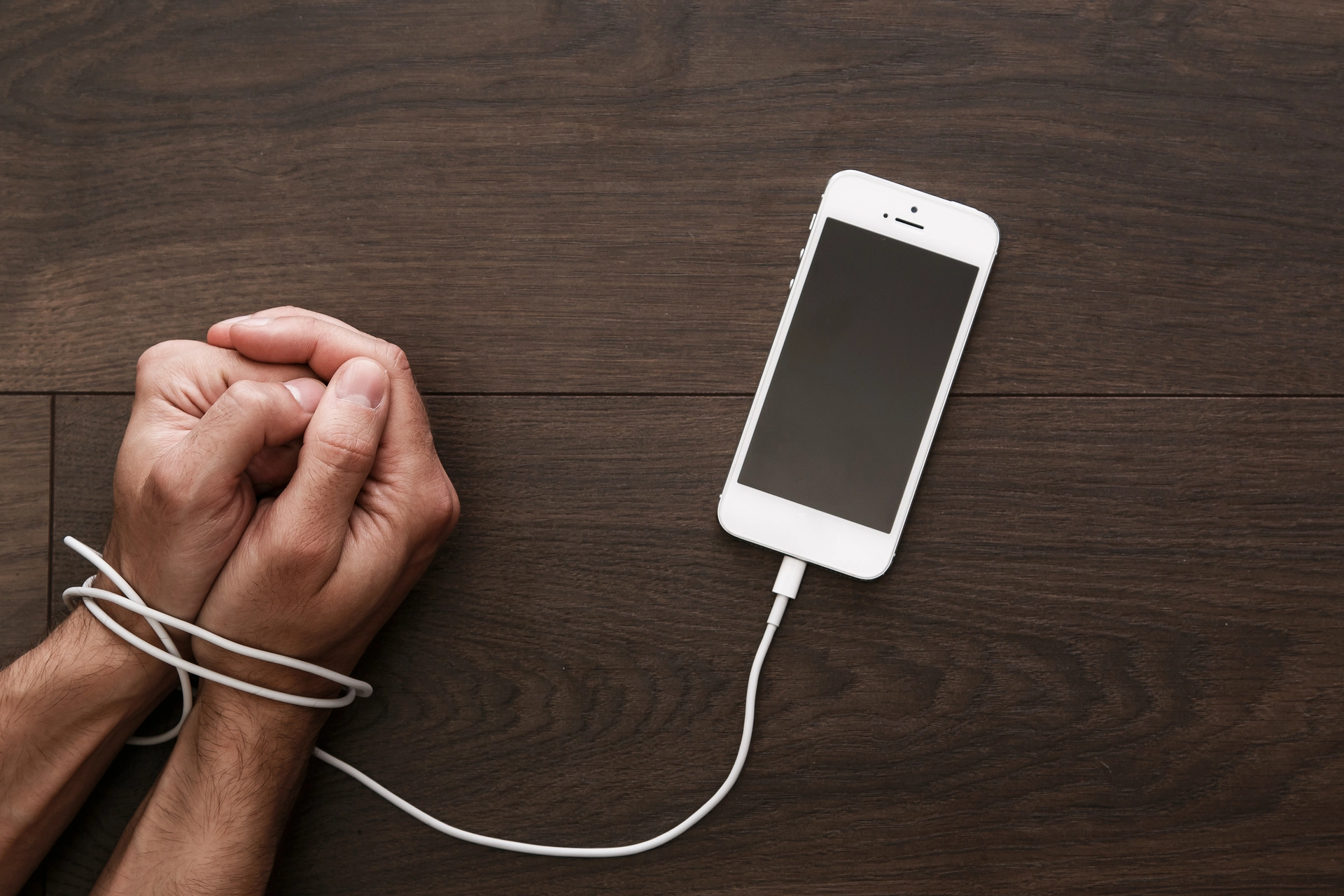

Mobile Addiction: Signs You Should Know

Always Checking Your Phone? Signs of Mobile or Internet Addiction

Always Checking Your Phone? Signs of Mobile or Internet Addiction Checking your phone occasionally is a normal part of modern life. We use smartphones for work, communication, entertainment, banking, navigation and staying connected. However, when checking your phone becomes difficult to control and starts affecting your sleep, relationships, concentration or daily responsibilities, it may be a sign of problematic mobile or internet use. The World Health Organization recognises that excessive use of smartphones, computers and internet based platforms can have negative health consequences. It also identifies addictive behaviours such as gaming disorder as clinically significant when they cause distress or interfere with everyday functioning. What Is Mobile or Internet Addiction? Mobile addiction generally refers to compulsive or excessive smartphone use that becomes difficult to control. A person may repeatedly check messages, social media, videos, notifications or websites even when there is no specific reason to use the phone. Internet addiction can involve excessive engagement with online activities such as social media, gaming, browsing or other digital platforms. Importantly, spending a lot of time online does not automatically mean someone has an addiction. The key concern is loss of control and the impact the behaviour has on everyday life. Signs You May Be Becoming Dependent on Your Phone Some common warning signs include: Constantly checking your phone: You feel an urge to check notifications, messages or social media repeatedly, even without receiving an alert. Difficulty putting the phone away: You intend to use your phone for a few minutes but continue scrolling for much longer. Feeling anxious without your phone: You may become restless, irritated or uncomfortable when your phone is unavailable. Poor concentration: Frequent checking can interrupt work, studies or conversations and make it harder to stay focused. Sleep disruption: Using your phone late at night or checking it during the night can interfere with healthy sleep routines. Neglecting responsibilities: Phone or internet use may begin taking priority over household responsibilities, work, studies, exercise or personal activities. Reduced face to face interaction: You may prefer online engagement over spending time with family, friends or other people around you. Using the phone to manage emotions: Some people turn to scrolling, gaming or social media whenever they feel bored, lonely, stressed or anxious. These signs become more concerning when they persist and begin causing meaningful problems in personal, social, educational or occupational functioning. Why Does Mobile Addiction Happen? Mobile dependence can develop through repeated behavioural patterns. Notifications, social feedback, entertainment and easily accessible content can encourage frequent checking. Emotional factors such as stress, loneliness, boredom or anxiety may also contribute. Clinical assessment is important because excessive digital use can sometimes occur alongside other concerns such as anxiety, depression, sleep problems or difficulties with emotional regulation. How Can Mobile Addiction Be Managed? The first step is recognising the pattern rather than simply trying to stop using your phone completely. Practical measures can include setting specific periods for phone use, turning off unnecessary notifications, creating phone free periods before bedtime and increasing offline activities such as exercise, hobbies and face to face social interaction. If attempts to control phone or internet use repeatedly fail, or if the behaviour is affecting sleep, work, studies, relationships or emotional wellbeing, professional support may be helpful. At psychiatristmumbai.in, mobile addiction, internet addiction and gaming related concerns are addressed through personalised psychiatric assessment, behavioural interventions, therapy and guidance focused on healthier digital habits. Recognising the problem early can make it easier to regain control of your digital habits while protecting your mental wellbeing and everyday functioning.   Final Takeaway Constantly checking your phone does not automatically mean you have an addiction. The more important questions are whether your phone use feels difficult to control and whether it is affecting your sleep, concentration, relationships or responsibilities. Recognising these patterns early can help you build healthier digital habits. If you continue to struggle with controlling your phone or internet use, a professional assessment can help identify contributing factors and provide personalised support. For professional guidance, you can explore the Mobile Addiction service, which covers assessment, behavioural interventions, therapy and strategies for establishing healthier digital boundaries. You can also explore the Services page to learn about other psychiatric and mental health services available. If you would like to discuss your concerns with a psychiatrist, visit the Contact Us page to enquire about an appointment. Frequently Asked Questions (FAQs) 1. What are the signs of mobile addiction? Frequent checking, difficulty stopping, anxiety without your phone, poor concentration, sleep disruption and neglect of responsibilities can be warning signs. 2. How do I know if I am addicted to my phone? Concern increases when phone use feels difficult to control and starts affecting your sleep, work, studies, relationships or daily responsibilities. 3. Can mobile addiction affect sleep? Yes, frequent phone use at night can disrupt healthy sleep routines and make it harder to maintain consistent sleep habits. 4. Can anxiety cause excessive phone use? Yes, some people may use their phones repeatedly to cope with boredom, loneliness, stress or anxiety, which can reinforce the habit. 5. When should I seek help for mobile addiction? Consider professional support when repeated attempts to reduce phone use fail or excessive use significantly affects your functioning or emotional wellbeing. Frequent checking, difficulty stopping, anxiety without your phone, poor concentration, sleep disruption and neglect of responsibilities can be warning signs. Concern increases when phone use feels difficult to control and starts affecting your sleep, work, studies, relationships or daily responsibilities. Yes, frequent phone use at night can disrupt healthy sleep routines and make it harder to maintain consistent sleep habits. Yes, some people may use their phones repeatedly to cope with boredom, loneliness, stress or anxiety, which can reinforce the habit. Consider professional support when repeated attempts to reduce phone use fail or excessive use significantly affects your functioning or emotional wellbeing. Contact Details: Dr. Prabhojit Mohanty Psychiatrist in Malad, Mumbai Address: Altiuz Hospital, 1st Floor, Link House, New Link Rd, near Malad West Malad, Rajan Pada, Chincholi Bunder,

Internet Addiction in Teens

Internet Addiction in Teens: How Parents Can Recognise & Handle It

Internet Addiction in Teens: How Parents Can Recognise & Handle It The digital world has become an inseparable part of teenage life. From online classes and social media to gaming and streaming platforms, the internet offers learning, entertainment, and social connection. However, excessive and uncontrolled usage can lead to internet addiction in teens, a growing mental health concern affecting emotional, behavioral, and academic well-being. Many parents struggle to identify where normal usage ends and addiction begins. Early recognition and timely intervention are crucial. With expert guidance from mental health professionals like Dr Prabhojit Mohanty, a psychiatrist in Mumbai, parents can better understand this condition and help their teenagers regain balance in their lives. What Is Internet Addiction in Teens? Internet addiction, also known as problematic internet use, refers to excessive or poorly controlled urges to use the internet that interfere with daily life. Teenagers are particularly vulnerable due to emotional development, peer pressure, and easy access to smartphones and high-speed internet. Common Forms of Internet Addiction in Teenagers Social media addiction (Instagram, Snapchat, etc.)   Online gaming addiction   Video streaming and binge-watching   Compulsive browsing or scrolling   Online chatting and virtual relationships If left untreated, internet addiction in adolescents can contribute to anxiety, depression, poor academic performance, and social withdrawal. Why Are Teens More Vulnerable to Internet Addiction? Teenage years are marked by emotional sensitivity, identity exploration, and a need for validation. The internet often becomes an escape or a coping mechanism. Key Risk Factors Include: Lack of parental supervision   Easy access to smartphones and devices   Academic stress and peer pressure   Low self-esteem or social anxiety   Absence of structured offline activities Signs and Symptoms of Internet Addiction in Teens Recognising the warning signs is the first step toward intervention. Behavioral Signs Irritability or anger when internet access is restricted Loss of interest in hobbies or outdoor activities Neglect of schoolwork and responsibilities Staying awake late to use the internet Emotional & Psychological Signs Anxiety or restlessness when offline Mood swings or aggression Social withdrawal from family and friends Low motivation and concentration issues Physical Symptoms Eye strain and headaches Sleep disturbances Poor posture and fatigue If multiple symptoms persist, it may indicate the need for professional psychiatric help for internet addiction in teens. Impact of Internet Addiction on Teen Mental Health Unchecked internet addiction can have long-term consequences on a teenager’s overall development. Mental and Emotional Impact Increased risk of anxiety and depression Emotional numbness or mood instability Reduced coping skills for real-life challenges Academic and Social Impact Declining academic performance Poor time management Difficulty forming real-world relationships Consulting an experienced psychiatrist in Mumbai for teen behavioural issues can help address these challenges holistically. How Parents Can Handle Internet Addiction in Teens Parents play a critical role in managing and preventing internet addiction. 1. Set Healthy Digital Boundaries Create screen-time rules   Designate tech-free hours (especially before bedtime)   Encourage offline activities 2. Maintain Open Communication Talk without judgment   Understand what your teen does online   Discuss online risks and healthy usage 3. Be a Role Model Children often mirror adult behaviour. Practising mindful internet use yourself sets a positive example. 4. Encourage a Balanced Lifestyle Promote sports, hobbies, and family time   Encourage social interaction outside screens Seek Professional Help When Needed When addiction starts affecting mental health, academic performance, or family relationships, professional intervention is essential. Dr Prabhojit Mohanty, Psychiatrist in Mumbai, offers evidence-based treatment for internet addiction in teens, focusing on behaviour correction, emotional regulation, and family involvement. Treatment Options for Internet Addiction in Teens Psychiatric Evaluation A comprehensive assessment helps identify underlying issues like anxiety, depression, or ADHD. Therapy & Counseling Cognitive Behavioural Therapy (CBT) Family counseling Behavioural modification techniques Parental Guidance & Support Educating parents on monitoring, communication, and emotional support is a key part of treatment. Early intervention leads to better outcomes and prevents long-term mental health issues.   When Should Parents Consult a Psychiatrist? You should consider consulting a mental health professional if: Internet use is uncontrollable   Your teen becomes aggressive or withdrawn   Academic performance drops significantly   Sleep and eating patterns are disturbed An experienced psychiatrist in Mumbai for internet addiction treatment can provide personalised care and recovery plans. FAQs on Internet Addiction in Teens What is the primary cause of internet addiction in teens? The primary causes include emotional stress, peer pressure, boredom, lack of supervision, and easy access to digital devices. How much screen time is considered unhealthy for teenagers? More than 4–5 hours of non-academic screen time daily, especially when it affects sleep, studies, or behaviour, may be unhealthy. Can internet addiction cause mental health problems? Yes, internet addiction can lead to anxiety, depression, irritability, low self-esteem, and social isolation. Is internet addiction treatable? Absolutely. With early intervention, therapy, parental involvement, and professional guidance, teens can recover successfully. The primary causes include emotional stress, peer pressure, boredom, lack of supervision, and easy access to digital devices. More than 4–5 hours of non-academic screen time daily, especially when it affects sleep, studies, or behaviour, may be unhealthy. Yes, internet addiction can lead to anxiety, depression, irritability, low self-esteem, and social isolation. Absolutely. With early intervention, therapy, parental involvement, and professional guidance, teens can recover successfully. Conclusion Internet addiction in teens is a serious but manageable concern when identified early. With awareness, healthy boundaries, open communication, and timely professional support, parents can help their teenagers regain balance, protect their mental health, and develop healthier digital habits for the future. Contact Details: Dr. Prabhojit Mohanty Psychiatrist in Malad, Mumbai Address: Altiuz Hospital, 1st Floor, Link House, New Link Rd, near Malad West Malad, Rajan Pada, Chincholi Bunder, Malad West, Mumbai, Maharashtra 400064 Phone: 070082 66758 Website: psychiatristmumbai.in