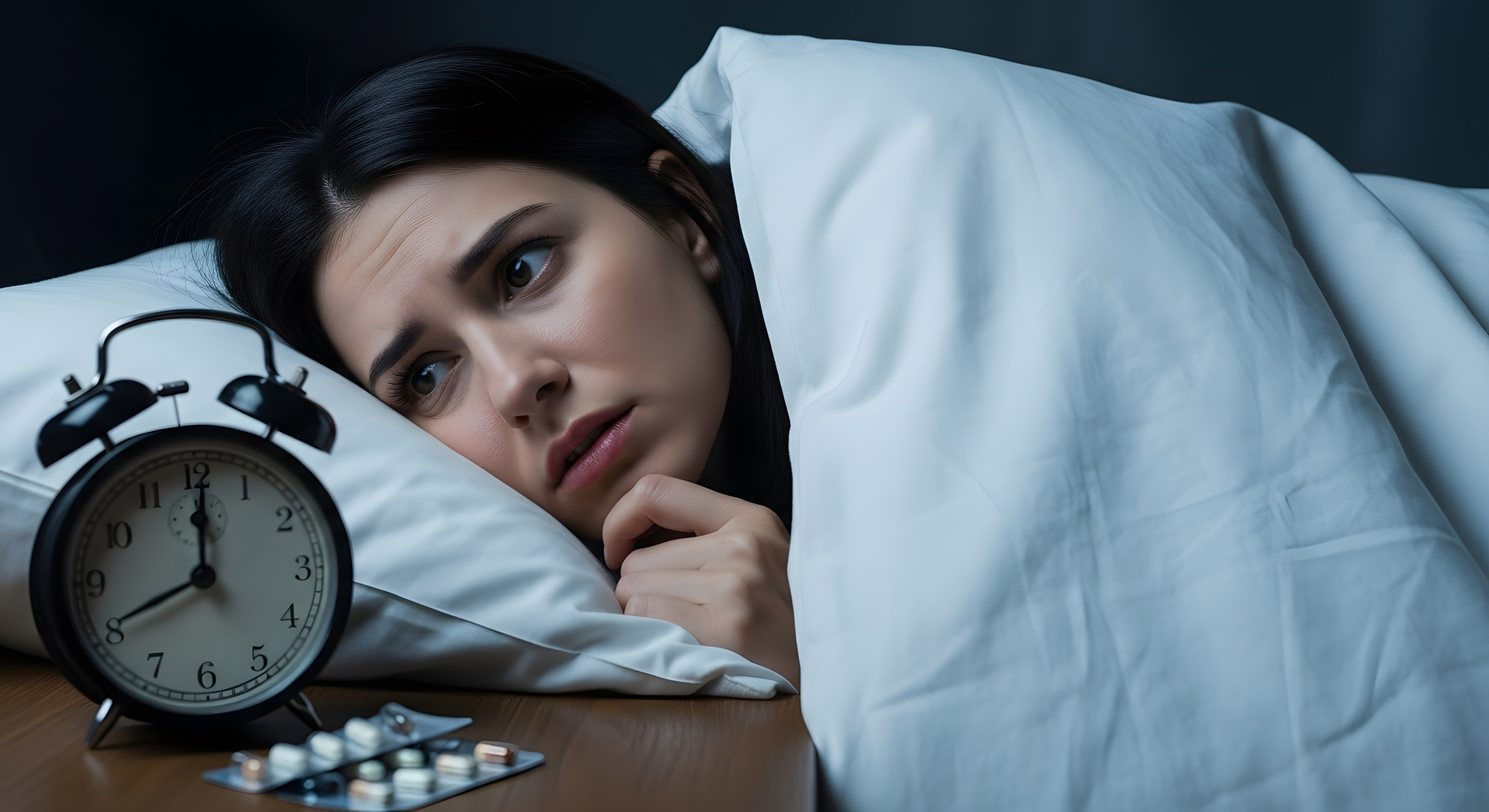

Beyond Addiction: How Drug De-Addiction Therapy Can Help You Rebuild Your Life Addiction can affect anyone regardless of age, background, or lifestyle. It not only impacts your physical health but also takes a toll on your mental and emotional well-being. Breaking free from substance dependency may feel impossible, but with the right professional support and structured treatment, recovery is achievable. If you or someone you know is struggling with addiction, Drug De-Addiction in Malad, under the guidance of Dr Prabhojit Mohanty, offers a compassionate and evidence-based path to recovery. At specialised centres in Malad, drug de-addiction therapy focuses on helping individuals regain control of their lives through psychological counselling, medication-assisted therapy, and behavioural interventions. The journey doesn’t just end with quitting drugs; it’s about rebuilding your confidence, relationships, and sense of purpose. What is drug de-addiction therapy? Drug de-addiction therapy is a comprehensive treatment programme designed to help individuals overcome dependence on substances such as alcohol, prescription drugs, or illicit narcotics. The goal is not only to eliminate the addiction but also to address the psychological triggers behind it. At Dr Prabhojit Mohanty’s clinic in Malad, therapy involves personalised care plans that combine medical detox, psychotherapy, relapse prevention, and long-term support. This approach ensures that patients receive holistic care targeting both their physical and mental recovery. How Drug De-Addiction Therapy Helps You Rebuild Your Life 1. Breaking the Cycle of Dependency The first step in recovery is detoxification, a medically supervised process that safely manages withdrawal symptoms. This helps individuals regain physical stability and reduces cravings. 2. Understanding the Root Causes Addiction is often linked to stress, trauma, or mental health conditions such as anxiety or depression. Through therapy sessions and counselling, Dr Prabhojit Mohanty helps patients understand the emotional and psychological factors fuelling their addiction. 3. Rebuilding Mental and Emotional Strength Therapies like Cognitive Behavioural Therapy (CBT) and Motivational Enhancement Therapy (MET) are used to build coping mechanisms and strengthen emotional resilience. This empowers individuals to handle triggers without relapsing. 4. Restoring Relationships Addiction can damage relationships with family and friends. Counselling and family therapy help rebuild trust and create a supportive environment for sustained recovery. 5. Developing a Healthier Lifestyle De-addiction treatment also emphasises lifestyle changes such as regular exercise, balanced nutrition, mindfulness, and stress management, all of which contribute to long-term sobriety. Why Choose Dr Prabhojit Mohanty for Drug De-Addiction in Malad Expert Psychiatric Care: With years of experience in addiction psychiatry, Dr Mohanty provides evidence-based, compassionate care. Personalised Treatment Plans: Every patient receives an individualised plan based on their specific needs and substance history. Confidential & Supportive Environment: Privacy and comfort are prioritised to ensure patients feel safe throughout their recovery. Holistic Approach: Combines medical, psychological, and lifestyle interventions for complete healing. If you’re searching for drug de-addiction in Malad, choosing Dr Prabhojit Mohanty can be the first step toward transforming your life. Tips for a Successful Recovery Stay consistent with therapy and follow-up sessions. Avoid triggers and high-risk environments. Engage in positive hobbies and physical activities. Build a support system of family, friends, or recovery groups. Focus on long-term mental wellness through counselling and mindfulness. FAQs on Drug De-Addiction in Malad 1. What is the duration of drug de-addiction therapy? The duration varies based on the individual’s condition and substance dependency. Typically, programmes range from a few weeks to several months. 2. Can I recover from addiction without therapy? While self-help is valuable, professional therapy significantly improves the chances of long-term recovery and relapse prevention. 3. Is drug de-addiction treatment confidential? Yes. All treatment sessions and medical records are completely confidential at Dr Prabhojit Mohanty’s clinic in Malad. 4. What types of addiction are treated? The therapy covers a wide range of addictions, including alcohol, prescription drugs, opioids, nicotine, and other substances. 5. What happens after completing the therapy? Aftercare programmes, regular follow-ups, and continued counselling ensure that recovery is maintained and relapse risks are minimised. The duration varies based on the individual’s condition and substance dependency. Typically, programmes range from a few weeks to several months. While self-help is valuable, professional therapy significantly improves the chances of long-term recovery and relapse prevention. Yes. All treatment sessions and medical records are completely confidential at Dr Prabhojit Mohanty’s clinic in Malad. The therapy covers a wide range of addictions, including alcohol, prescription drugs, opioids, nicotine, and other substances. Aftercare programmes, regular follow-ups, and continued counselling ensure that recovery is maintained and relapse risks are minimised. Conclusion Overcoming addiction is a life-changing journey that requires courage, patience, and the right guidance. Through Drug De-Addiction in Malad with Dr Prabhojit Mohanty, individuals can reclaim control, restore balance, and rebuild a fulfilling life free from the chains of substance abuse. Remember, recovery is not just about quitting drugs; it’s about rediscovering yourself and embracing a healthier future. Contact Details: Dr. Prabhojit Mohanty Psychiatrist in Malad, Mumbai Address: Altiuz Hospital, 1st Floor, Link House, New Link Rd, near Malad West Malad, Rajan Pada, Chincholi Bunder, Malad West, Mumbai, Maharashtra 400064 Phone: 070082 66758 Website: psychiatristmumbai.in
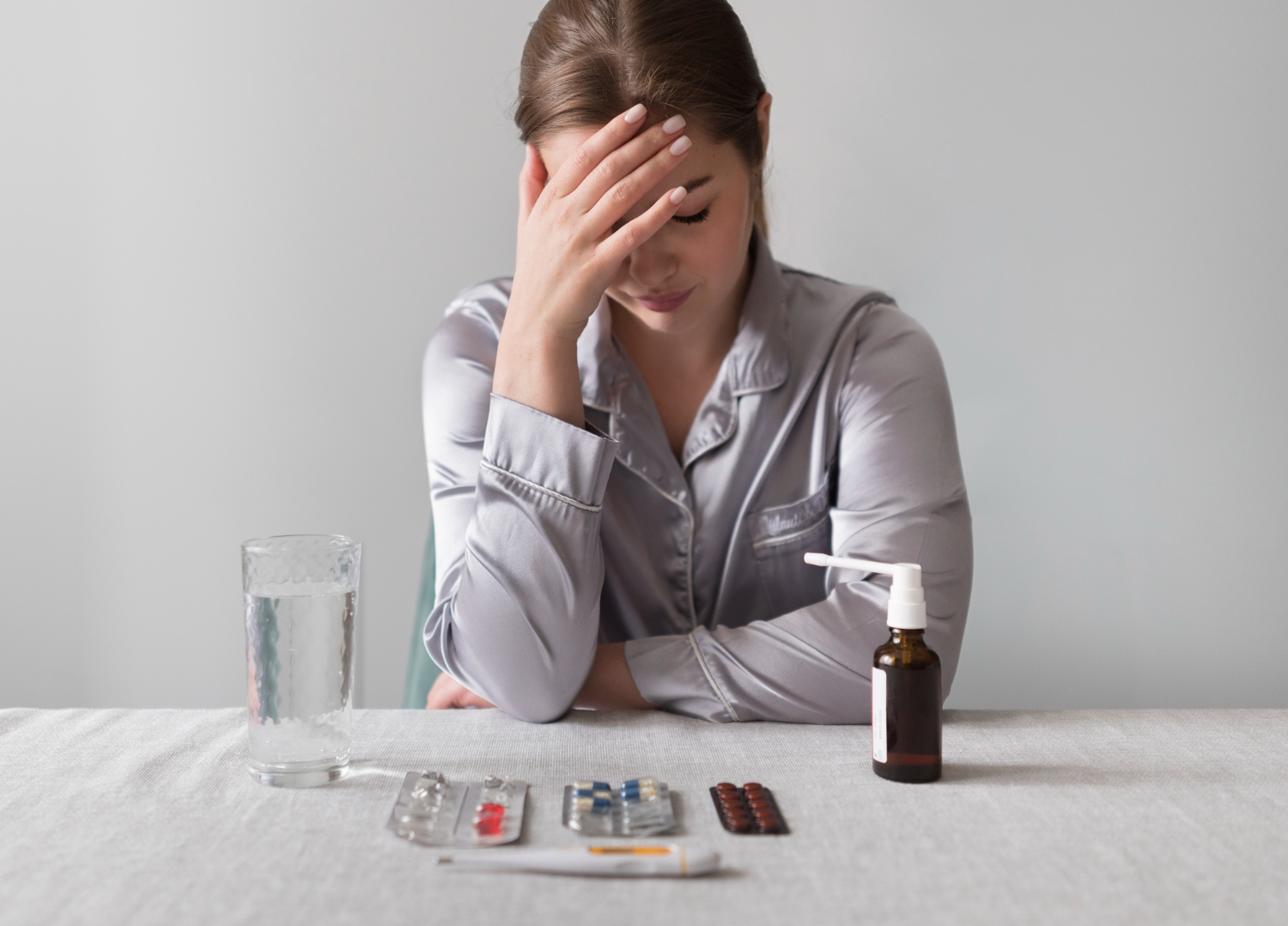
I Felt Fine Yesterday – Why Do I Feel So Low Today? The Hidden Signs of Bipolar Disorder The unpredictable swing from a period of high energy and elevated mood to a state of profound sadness and low motivation can be confusing and emotionally draining. These distinct shifts, which typically last for several days or even weeks, are more than just normal ups and downs; they might be an indication of Bipolar Disorder. If you’ve ever wondered why your energy and emotions fluctuate so intensely, it’s important to recognise the signs early. Understanding the condition and seeking the right help from a qualified psychiatrist, such as Dr. Prabhojit Mohanty, a leading specialist for bipolar disorder in Mumbai, can help bring balance and stability to your life. What Is Bipolar Disorder? Bipolar Disorder is a mental health condition that causes extreme mood swings, including emotional highs (mania or hypomania) and lows (depression). These shifts can impact sleep, energy, behaviour, and daily functioning. During manic phases, a person might feel overly energetic, euphoric, or irritable, while depressive episodes can bring feelings of sadness, hopelessness, or fatigue. The changes may occur a few times a year or more frequently, depending on the individual. Hidden Signs of Bipolar Disorder You Might Be Ignoring Recognising bipolar disorder can be challenging because symptoms may initially resemble stress, burnout, or even simple mood changes. Here are some subtle signs that might indicate bipolar disorder in Mumbai residents to watch out for: 1. Sudden Changes in Energy Levels One day, you’re full of enthusiasm and ideas; the next, you feel completely drained. These unpredictable shifts in energy are a hallmark of bipolar disorder. 2. Unusual Confidence or Risk-Taking Behaviour Feeling excessively confident, spending money impulsively, or taking unnecessary risks can indicate manic or hypomanic episodes. 3. Periods of Intense Sadness Experiencing sadness, guilt, or disinterest in activities you once loved may point to depressive phases. 4. Sleep Disturbances Irregular sleep, either sleeping too much or too little, is a common symptom during both manic and depressive episodes. 5. Difficulty Maintaining Relationships Rapid mood swings can make it difficult to maintain stable personal or professional relationships Why You Might Feel Fine One Day and Low the Next Emotional highs and lows can seem random, but they are often linked to the brain’s chemical imbalances and stress responses. Triggers such as lack of sleep, substance use, or major life events can amplify these mood swings. Without proper diagnosis and management, these fluctuations can worsen over time. If you’ve been struggling with unpredictable emotions or intense mood shifts, it’s essential to consult an experienced psychiatrist like Dr Prabhojit Mohanty, who offers comprehensive evaluation and treatment for bipolar disorder in Mumbai. Treatment Options for Bipolar Disorder Treatment for bipolar disorder focuses on managing symptoms and maintaining emotional stability. Common approaches include: 1. Medication Mood stabilisers, antidepressants, and antipsychotic medications help regulate brain chemistry and minimise mood swings. 2. Psychotherapy Therapies such as Cognitive Behavioural Therapy (CBT) and Interpersonal Therapy (IPT) can help individuals identify triggers and manage stress effectively. 3. Lifestyle Modifications Regular sleep, a balanced diet, and consistent routines can support emotional well-being. 4. Ongoing Support Long-term follow-ups with a mental health specialist ensure consistent care and relapse prevention. When to Seek Professional Help If you or someone you know experiences extreme mood changes, impulsivity, or prolonged sadness, don’t ignore these warning signs. Early diagnosis and treatment from a trusted psychiatrist for Bipolar Disorder in Mumbai can make a significant difference in recovery and quality of life. Dr Prabhojit Mohanty provides personalised treatment plans, counselling, and medication management tailored to each individual’s needs. FAQs About Bipolar Disorder 1. What causes bipolar disorder? The exact cause isn’t fully understood, but it’s believed to result from a combination of genetic, biological, and environmental factors that affect brain function and mood regulation. 2. Can bipolar disorder be cured? While there’s no permanent cure, effective treatment can help manage symptoms and allow individuals to lead stable, fulfilling lives. 3. How is bipolar disorder diagnosed? A psychiatrist conducts a detailed psychological evaluation, reviews medical history, and may use mood tracking tools to identify bipolar patterns. 4. Is medication necessary for Bipolar Disorder? In most cases, medication helps balance mood swings and prevent relapse. However, it’s usually combined with therapy for the best outcome. 5. Can lifestyle changes help? Yes. Regular sleep, stress management, and avoiding alcohol or drug use can significantly improve stability and reduce mood fluctuations. The exact cause isn’t fully understood, but it’s believed to result from a combination of genetic, biological, and environmental factors that affect brain function and mood regulation. While there’s no permanent cure, effective treatment can help manage symptoms and allow individuals to lead stable, fulfilling lives. A psychiatrist conducts a detailed psychological evaluation, reviews medical history, and may use mood tracking tools to identify bipolar patterns. In most cases, medication helps balance mood swings and prevent relapse. However, it’s usually combined with therapy for the best outcome. Yes. Regular sleep, stress management, and avoiding alcohol or drug use can significantly improve stability and reduce mood fluctuations. Conclusion Feeling low after a day of high energy doesn’t mean you’re “just tired”; it could be a sign of Bipolar Disorder. Early recognition and professional intervention can change the course of your mental health journey. If you suspect you or a loved one might be experiencing bipolar symptoms, consult Dr. Prabhojit Mohanty, an experienced psychiatrist specialising in Bipolar Disorder in Mumbai, for an accurate diagnosis and personalised care. Contact Details: Dr. Prabhojit Mohanty Psychiatrist in Malad, Mumbai Address: Altiuz Hospital, 1st Floor, Link House, New Link Rd, near Malad West Malad, Rajan Pada, Chincholi Bunder, Malad West, Mumbai, Maharashtra 400064 Phone: 070082 66758 Website: psychiatristmumbai.in

When Traditional Treatments Fail: How Ketamine Therapy Offers a New Path to Healing Mental health challenges such as depression, anxiety, PTSD, and chronic pain can deeply affect every aspect of life. While traditional treatments like antidepressants and psychotherapy help many people, some individuals continue to struggle despite multiple attempts at recovery. For those who feel “nothing works”, ketamine therapy in Mumbai, Maharashtra, offers a promising and scientifically supported alternative. Under the expert care of Dr Prabhojit Mohanty, this modern treatment provides a new path to healing when conventional methods fail to bring relief. Unlike standard antidepressants that take weeks to show results, ketamine therapy in Mumbai, Maharashtra, often produces rapid improvement within hours or days. This breakthrough therapy targets different brain pathways, helping patients experience relief from persistent depressive symptoms, emotional numbness, and suicidal thoughts. What Is Ketamine Therapy? Ketamine Therapy involves the medical use of low doses of ketamine administered intravenously or through nasal sprays under professional supervision. Originally developed as an anaesthetic, ketamine has gained attention for its powerful antidepressant and anti-anxiety effects. This treatment works by acting on the brain’s glutamate system, encouraging new neural connections and “rewiring” patterns associated with depression and trauma. For patients who have not responded to SSRIs, SNRIs, or other antidepressants, ketamine can be life-changing. Why Traditional Treatments Sometimes Fail Traditional psychiatric treatments often focus on serotonin and dopamine regulation. However, mental health disorders are complex and multifaceted, sometimes linked to neural pathway disruptions or inflammation that these medications do not address. Common reasons why traditional treatments fail include: Medication resistance: Some individuals’ brain chemistry simply doesn’t respond to common antidepressants. Delayed results: Many drugs take 4–6 weeks to show improvement, leaving patients discouraged. Unwanted side effects: Drowsiness, weight gain, and emotional blunting can limit compliance. Psychotherapy limitations: Therapy alone may not be enough when neurochemical imbalances persist. That’s where ketamine therapy can step in to fill the gap. How Ketamine Therapy Provides a New Path to Healing Ketamine works differently from typical antidepressants. By targeting the NMDA receptor in the brain, it boosts glutamate activity, leading to rapid synaptic growth and improved communication between brain cells. Key Benefits of Ketamine Therapy: Rapid symptom relief: Many patients feel improvement within 24–48 hours. Improved mood and motivation: Restores emotional balance and helps patients re-engage with life. Reduced suicidal thoughts: Ketamine has shown strong anti-suicidal effects in clinical research. Enhanced neuroplasticity: Supports the brain’s ability to heal and adapt. Effective for treatment-resistant conditions: Especially useful for those who have failed multiple therapies. Patients receiving ketamine therapy in Mumbai under the guidance of Dr Prabhojit Mohanty experience a structured, monitored, and safe healing environment tailored to their individual needs. Conditions That Can Benefit from Ketamine Therapy Ketamine has been shown to help in several mental health and pain-related conditions, including: Treatment-resistant depression Post-traumatic stress disorder (PTSD) Anxiety disorders Bipolar depression Chronic pain syndromes (like fibromyalgia) Obsessive-Compulsive Disorder (OCD) If you’ve tried multiple antidepressants or therapies without success, ketamine could be the turning point you’ve been waiting for. Why Choose Dr Prabhojit Mohanty for Ketamine Therapy in Mumbai, Maharashtra Dr Prabhojit Mohanty, a trusted psychiatrist in Mumbai, specialises in advanced and evidence-based mental health treatments. His patient-centred approach ensures every therapy plan is tailored to individual mental health needs. With a focus on comfort, safety, and long-term recovery, Dr Mohanty helps patients rediscover hope through innovative therapies like ketamine. Safety and Professional Supervision It’s important to understand that ketamine should only be administered under the supervision of a qualified psychiatrist or medical professional. At Dr Mohanty’s clinic, each treatment session is closely monitored for vital signs, comfort, and psychological response. The therapy is performed in a controlled, calm environment, ensuring both safety and effectiveness. Frequently Asked Questions (FAQs) 1. How does ketamine therapy work for depression? Ketamine stimulates glutamate activity in the brain, promoting new neural connections and reversing depressive thought patterns, often resulting in fast symptom relief. 2. Is Ketamine Therapy safe? Yes, when administered by a qualified psychiatrist like Dr Prabhojit Mohanty, ketamine therapy is safe and closely monitored for any side effects or reactions. 3. How soon can I expect results from ketamine therapy? Most patients begin noticing positive changes within 24–48 hours of treatment, although individual responses may vary. 4. How many sessions are needed? Typically, patients undergo a series of 6 – 10 sessions over 2–3 weeks, followed by maintenance sessions as recommended by the psychiatrist. 5. Is ketamine therapy addictive? At therapeutic doses and under medical supervision, ketamine is not addictive. Strict protocols ensure it’s used safely for mental health improvement. 6. Can ketamine therapy be combined with other treatments? Yes. Ketamine therapy can complement ongoing medication or psychotherapy, especially for patients who haven’t responded to traditional treatments. Ketamine stimulates glutamate activity in the brain, promoting new neural connections and reversing depressive thought patterns, often resulting in fast symptom relief. Yes, when administered by a qualified psychiatrist like Dr Prabhojit Mohanty, ketamine therapy is safe and closely monitored for any side effects or reactions. Most patients begin noticing positive changes within 24–48 hours of treatment, although individual responses may vary. Typically, patients undergo a series of 6 – 10 sessions over 2–3 weeks, followed by maintenance sessions as recommended by the psychiatrist. At therapeutic doses and under medical supervision, ketamine is not addictive. Strict protocols ensure it’s used safely for mental health improvement. Yes. Ketamine therapy can complement ongoing medication or psychotherapy, especially for patients who haven’t responded to traditional treatments. Conclusion When conventional treatments fall short, ketamine therapy in Mumbai, Maharashtra, offers new hope for individuals battling depression, anxiety, and other mental health conditions. By working on unique brain pathways, it delivers rapid and lasting relief, restoring emotional balance and improving quality of life. Under the expert supervision of Dr Prabhojit Mohanty, this innovative therapy is helping many rediscover peace, purpose, and healing. If you’ve tried everything else without success, ketamine therapy might just be the breakthrough you need. Contact Details: Dr. Prabhojit Mohanty Psychiatrist in Malad, Mumbai
Anxiety Attack Treatment in Mumbai: A Complete Patient Guide by Dr Prabhojit Mohanty Anxiety attacks can be frightening, overwhelming, and most importantly, treatable. If you or a loved one has experienced sudden surges of fear with physical symptoms like chest tightness, breathlessness, a racing heart, dizziness, or trembling, you’re not alone. With the right approach, people recover, regain control, and return to daily life with confidence. This in-depth guide on anxiety attack treatment in Mumbai is written to help you understand what’s happening, what your options are, and how Dr Prabhojit Mohanty can support you with compassionate, evidence-based care. What Is an Anxiety Attack? An anxiety attack is a period of intense fear or discomfort that develops quickly, often within minutes, and is accompanied by physical and psychological symptoms. Many patients use “anxiety attack” and “panic attack” interchangeably; in clinical practice, the pattern and triggers help your psychiatrist distinguish between them and guide treatment. Common symptoms include: Pounding or racing heart, palpitations Shortness of breath, chest tightness or pain Sweating, trembling, chills or hot flushes Nausea, “butterflies,” or stomach discomfort Dizziness, light-headedness, tingling or numbness Feeling detached from reality or oneself (derealisation/depersonalisation) Fear of losing control, “going crazy,” or dying If you’ve felt “I’m having a heart attack” only to be told your heart is fine, you’re not imagining it; anxiety can mimic cardiac or respiratory illness. Getting the right assessment is the first step toward relief. Anxiety Attack vs Panic Attack: What’s the Difference? Trigger: Anxiety attacks may be linked to identifiable stressors (exams, work pressure, health worries), whereas panic attacks can appear “out of the blue.” Build-up: Anxiety may build gradually; panic attacks often peak within 10 minutes. Duration: Anxiety symptoms can linger for hours; panic attacks are usually short-lived but intense. Diagnosis: Your clinician will evaluate for disorders like Generalised Anxiety Disorder, Panic Disorder, Social Anxiety, Health Anxiety, or anxiety secondary to medical conditions (e.g., thyroid, anaemia) or substances (e.g., caffeine). Understanding this distinction allows a tailored treatment plan that targets your specific pattern and triggers. Anxiety Attack vs Panic Attack: What’s the Difference? Trigger: Anxiety attacks may be linked to identifiable stressors (exams, work pressure, health worries), whereas panic attacks can appear “out of the blue.” Build-up: Anxiety may build gradually; panic attacks often peak within 10 minutes. Duration: Anxiety symptoms can linger for hours; panic attacks are usually short-lived but intense. Diagnosis: Your clinician will evaluate for disorders like Generalised Anxiety Disorder, Panic Disorder, Social Anxiety, Health Anxiety, or anxiety secondary to medical conditions (e.g., thyroid, anaemia) or substances (e.g., caffeine). Understanding this distinction allows a tailored treatment plan that targets your specific pattern and triggers. When Should You Seek Help in Mumbai? Seek professional help if: Attacks are recurrent or unpredictable You start avoiding places or activities (trains, lifts, meetings) Symptoms impair work, studies, relationships, or sleep You use alcohol, nicotine, or sedatives to cope You have new physical symptoms or a family history of heart/thyroid problems You experience low mood, loss of interest, or thoughts of self-harm If chest pain is severe, you faint, or symptoms are unlike your previous attacks, visit the nearest emergency department to exclude medical causes; safety first. How Dr Prabhojit Mohanty Assesses Anxiety Attacks A comprehensive psychiatric evaluation typically includes: Clinical Interview: Your symptom timeline, triggers, frequency, duration, and impact on daily life. Screening Tools: Validated questionnaires to gauge severity (e.g., GAD-7, panic measures). Medical Rule-Out: Where indicated, tests for thyroid function, Vitamin B12/folate, iron studies, ECG, or other relevant investigations to exclude physical causes. Diagnosis and Formulation: A clear explanation of what’s going on biological, psychological, and social factors, so treatment decisions feel logical and collaborative. Personalised Plan: A step-wise approach combining therapy, lifestyle measures, and medicines (when needed), with periodic reviews. Evidence-Based Anxiety Attack Treatment in Mumbai 1) Psychological Therapies (First-Line) Cognitive Behavioural Therapy (CBT) CBT helps you understand how thoughts, body sensations, and behaviours reinforce anxiety. You’ll learn: Psychoeducation: Why symptoms occur (adrenaline, hyperventilation, attention bias). Cognitive Restructuring: Challenging catastrophic thoughts (“I’ll faint,” “I’ll embarrass myself”). Exposure & Response Prevention: Gradual, supported exposure to feared situations (e.g., crowded trains, meetings) until fear reduces. Relapse Prevention: Early-warning signs and action plans. Breathing & Grounding Techniques Paced Breathing: Inhale 4 seconds → exhale 6 seconds for 5–10 minutes. Box Breathing: 4-4-4-4 count cycle. 5-4-3-2-1 Grounding: Engage the senses to anchor attention to the present. Lifestyle-Based Psychotherapy Sleep hygiene, caffeine moderation, and regular meals Exercise: 120–150 minutes/week of moderate activity can meaningfully reduce anxiety symptoms. Stress management: Time blocking, assertiveness skills, and digital boundaries. Other Therapies (as appropriate): ACT (Acceptance & Commitment Therapy) for values-driven behaviour despite anxiety Mindfulness-based interventions to reduce rumination Couples/Family sessions if interpersonal stress maintains symptoms 2) Medication (When Indicated) Medication isn’t mandatory for everyone. It’s recommended when symptoms are moderate to severe, frequent, or when therapy alone hasn’t helped enough. Common options your psychiatrist may consider: SSRIs/SNRIs: Often first-line (e.g., sertraline, escitalopram, venlafaxine). Typically takes 2–6 weeks to work fully; mild, temporary side-effects are common in the first fortnight. Short-term aids: In selected cases, beta-blockers (for tremors/palpitations) or a brief course of benzodiazepines for acute crises are closely monitored to avoid dependence. Augmentation: If the response is partial, your doctor may adjust the dose or add adjuncts. Important: Do not start/stop medication without medical guidance. Abrupt discontinuation can worsen symptoms. 3) A Quick Calm-Down Plan for Acute Anxiety Attacks When you feel an attack rising: Pause & Breathe: Sit, place a hand on your abdomen, and slow your exhale (4-in/6-out) for 3–5 minutes. Posture & Grounding: Plant your feet, press your heels into the floor, and name 5 things you see, 4 you feel, 3 you hear, 2 you smell, 1 you taste. Name It to Tame It: “This is an anxiety surge; it will pass.” Mini-Exposure: Stay with the sensation for 60–90 seconds instead of escaping. This teaches your brain that the signal is safe. Practice these when calm so they’re easier during a surge. Your therapist will help you personalise
Best Sexologist in Mumbai: Your Guide to Expert Sexual Health Care Sexual health is an integral part of overall well-being, yet many individuals and couples hesitate to seek help due to stigma, embarrassment, or uncertainty. If you’re searching online for “best sexologist in Mumbai,” this guide will help you understand what to look for and why Dr Prabhojit Mohanty is among the trusted names in this domain. We’ll talk about qualifications, services offered, how to choose the right sexologist, and what patients can expect. What Is a Sexologist and Why Does It Matter Before we dive into choosing a provider, let’s clarify: A sexologist is a professional often with a medical, psychological, psychiatric, or multidisciplinary background, trained to diagnose and treat sexual health conditions. This includes not only physical conditions (for example, erectile dysfunction or pain during intercourse) but also psychological factors (such as performance anxiety, low libido, sexual identity issues, relationship conflicts, and more). Because sexual problems frequently span both bodily and emotional domains, a competent sexologist must blend medical knowledge, psychological insight, and empathy. That’s why, when searching for the best sexologist in Mumbai, qualifications, experience, patient feedback, and holistic approach all matter. Why “Best Sexologist in Mumbai” Is More Than a Label: Key Criteria When scanning practitioners, here are critical factors that distinguish a truly outstanding sexologist: Criterion What to Look For Why It Matters Medical & psychological credentials Degrees (MBBS, MD, DPM, DNB, etc.), certifications in sexual medicine, psychotherapy training Ensures both physical and mental dimensions are competently addressed Relevant experience Years in practice, volume of patients treated, specialities (male, female, couples, LGBTQ+) More cases handled typically means more nuanced insight Reputation & patient reviews Verified testimonials, online reviews, and word-of-mouth referrals Reflects real patient satisfaction and outcomes Holistic & personalised care Integration of medical therapy, psychological counselling, behavioural techniques, and lifestyle changes Sexual health is rarely solved via a “one-size-fits-all” pill Confidentiality & trust Private consultations, patient consent, non-judgmental environment Many patients hesitate to come forward unless trust is assured Accessibility Location, online/teleconsult options, support staff, and affordability Even the best doctor is unhelpful if access is difficult Introducing Dr Prabhojit Mohanty, A Leading Sexologist in Mumbai Credentials & Experience Dr Prabhojit Mohanty is a psychiatrist, sexologist, and de-addiction expert based in Mumbai. He holds an MBBS, followed by specialisation in psychiatry (DPM), and more recently gained a DNB in Psychiatry from KJ Somaiya Medical College & Hospital, Mumbai. He has over 10–12 years of experience in this domain. His practice is LGBTQ+ friendly, and he works with a broad spectrum of sexual health issues: sexual dysfunction, low libido, gender dysphoria, counselling, and more. He practices in Malad West, Mumbai, and also has chambers at Altiuz Multispeciality Hospital (Malad West) and Dwarkaa Multispeciality Hospital (Goregaon). His clinic is rated highly (JustDial lists 5.0 stars, with many patient reviews). Areas of Specialisation Dr Mohanty’s portfolio is broad and inclusive. Some of the common issues he handles: Erectile dysfunction, premature ejaculation, and delayed ejaculation Low libido (reduced sexual desire) Orgasmic disorders, anorgasmia (difficulty reaching orgasm) Painful intercourse (dyspareunia), vaginismus Sexual trauma, abuse history, and sexual anxiety Relationship and intimacy counselling for couples Gender identity, transition support, sex reassignment considerations Psychological contributors: depression, anxiety, stress, performance anxiety Addiction issues are tied to compulsive sexual behaviour or pornography. Post-illness or post-surgery sexual rehabilitation Because Dr Mohanty combines psychiatric insight with sexual health, he can handle overlapping mental health concerns (e.g. depression or anxiety) concurrently with sexual care. What Happens in Your First Visit? (What Patients Can Expect) To demystify the process, here is a typical flow in Dr Mohanty’s clinic (or similar best practices): Confidential history & assessment You’ll be asked open, sensitive questions about medical history, psychiatric history, sexual history, relationship dynamics, substance use, and relevant tests. The environment is non-judgmental and private. Physical & lab evaluations (if required) Based on your case, physical tests (hormone levels, blood glucose, thyroid, etc.) or referrals to urology/gynaecology may be recommended. Psychological evaluation If mood, anxiety, stress, trauma, or performance issues are contributing factors, a psychological assessment follows. Diagnosis & explanation Dr Mohanty will explain what’s happening in a clear, jargon-free way, what’s normal, what’s not, and why the symptoms are occurring. Customised treatment plan This could include: Medication (e.g. PDE5 inhibitors, hormonal therapy) Psychological therapy (CBT, sex therapy, mindfulness) Behavioural techniques and exercises Relationship/couples counselling Lifestyle modifications (sleep, diet, exercise, stress management) Follow-ups & progress tracking Regular reviews monitor progress, adjust therapy, and address new challenges. Support & education The clinician often provides educational material or coaching (techniques, communication within a relationship, breathing/relaxation) and encourages open communication. Because sexual health evolves over time, perseverance and consistency in treatment are essential. Tips to Choose the Best Sexologist in Mumbai (Including Dr Mohanty) Here’s a patient-friendly checklist to help you pick the right professional: Verify credentials & special training (psych, sex therapy, sexual medicine) Look for multidisciplinary practice (medical + psychological) Read patient reviews and testimonials (but with discretion) Ensure privacy and comfort (clinic environment, staff, confidentiality) Clarify consultation mode options (in-person, teleconsult) Check availability & location (ease of travel, waiting time) Cost & payment transparency (know the fees, payment modes) Comfort & rapport (you should feel safe speaking freely) Follow-up support (continuity matters, not just a one-off session) If Dr Mohanty meets or exceeds all these and patient feedback is positive, then he can be legitimately considered among the “best sexologists in Mumbai.” Success Stories & Patient Confidence While patient confidentiality is paramount, a few anonymous narratives (with consent) help illustrate the difference good care can make: A couple struggling with erectile dysfunction and performance anxiety saw a turnaround through a combined approach: medication + therapy + communication exercises. A patient with lifelong low libido and past trauma regained comfort with intimacy by addressing underlying anxiety, relational patterns, and gradual exposure techniques. Individuals in the LGBTQ+ community, facing identity stress and internalised shame, found compassionate guidance and affirmation in their sex/gender journeys. These stories underscore that sexual health is deeply
Can OCD Be Cured? An OCD Specialist’s Perspective on Recovery in Mumbai. Living with Obsessive-Compulsive Disorder (OCD) can feel like being trapped in a cycle of unwanted thoughts and repetitive behaviours. If you’re searching for answers, you’ve likely asked the most common question: “Can OCD be cured?” While OCD is a chronic condition, the most important message is this: it is highly treatable. With the right, evidence-based approach, you can achieve profound recovery and reclaim control of your life. In this article, Dr. Prabhojit Mohanty, a renowned psychiatrist specialising in OCD treatment in Mumbai, provides his expert perspective on what recovery truly looks like. Understanding OCD: More Than Just Habits OCD is a serious mental health condition characterised by: Obsessions: Intrusive, persistent, and unwanted thoughts, images, or urges that cause intense anxiety or distress. Compulsions: Repetitive behaviours or mental acts that a person feels driven to perform to neutralize the anxiety caused by the obsessions. This cycle can be debilitating, affecting work, relationships, and overall quality of life. The first step toward managing OCD is a proper diagnosis from a qualified professional. So, Can OCD Be “Cured”? Defining Recovery The word “cure” often implies a complete and permanent elimination of a condition. In the context of OCD, the clinical goal is not necessarily a magic bullet cure but long-term management and recovery. Think of it like managing diabetes or hypertension. You may always have a predisposition, but with the right tools and treatment, the condition no longer controls your life. You can live freely, fully, and without significant impairment. This is the achievable goal of effective OCD treatment—to reduce the intensity and frequency of symptoms so dramatically that they no longer hold power over you. The Gold Standard for Effective OCD Treatment in Mumbai Recovery is possible through a combination of proven therapies. As an OCD specialist in Mumbai, Dr. Mohanty employs a multi-faceted approach tailored to each individual. 1. Cognitive-Behavioral Therapy (CBT) with Exposure and Response Prevention (ERP) ERP is the most evidence-based psychotherapy for OCD. It involves: Exposure: Gradually and systematically confronting your feared thoughts, images, objects, and situations in a safe, controlled way. Response Prevention: Voluntarily choosing not to engage in the compulsive behavior that would normally ease your anxiety. Through ERP, the brain learns that the feared outcome does not occur and that anxiety decreases on its own over time. 2. Medication Management Selective Serotonin Reuptake Inhibitors (SSRIs) are commonly prescribed at higher doses for OCD than for depression. Medication can help reduce the power of obsessions and the urge to compulse, making it easier to engage in and benefit from ERP therapy. For many, a combination of medication and ERP offers the best path to recovery. 3. Advanced Neuromodulation: Transcranial Magnetic Stimulation (TMS) For individuals who may not have achieved desired results with therapy and medication alone, Transcranial Magnetic Stimulation (TMS) offers a safe, non-invasive advanced treatment option. TMS uses targeted magnetic pulses to stimulate nerve cells in specific brain regions known to be involved in OCD, such as the prefrontal cortex. It is an FDA-approved treatment that can help reduce OCD symptoms by modulating brain circuitry. Dr. Mohanty evaluates each case to determine if TMS is a suitable addition to the treatment plan. 4. A Holistic and Supportive Approach Managing OCD in a bustling city like Mumbai requires a holistic plan. This includes: Stress Management: Learning techniques to reduce overall anxiety. Psychoeducation: Understanding the “why” behind OCD for patients and their families. Lifestyle Adjustments: Incorporating routine, exercise, and sleep hygiene to support mental health.  Why Choose Dr. Prabhojit Mohanty for OCD Treatment in Mumbai? Finding the right OCD specialist in Mumbai is crucial for effective recovery. Dr. Mohanty offers: Expertise in ERP & TMS: Specialized training in gold-standard treatments like ERP and advanced interventions like TMS. Personalized Treatment Plans: Every individual’s experience with OCD is unique; your treatment plan should be too. Compassionate Care: A supportive environment where you can work towards recovery without judgment. Proven Strategies: Utilizing only evidence-based methods that are scientifically proven to work. FAQs About OCD Treatment and Recovery Q1: What is the most effective treatment for OCD? The most effective treatment is typically a combination of Cognitive-Behavioral Therapy (CBT) with a strong focus on Exposure and Response Prevention (ERP) and, in many cases, medication (typically SSRIs). For some, advanced treatments like TMS can be highly beneficial. Q2: How long does it take to see results from OCD treatment? The timeline varies. Some individuals notice a reduction in anxiety within weeks of starting ERP, while longer-term management of deep-seated patterns may take several months. Consistency with therapy is key. Q3: Can severe OCD be treated successfully? Yes. Even severe OCD can be managed effectively with intensive, consistent, and expert treatment. The principles of ERP, medication, and advanced options like TMS apply to all levels of severity. Q4: Are the effects of OCD treatment permanent? While OCD is chronic, the skills learned in ERP are lifelong. You may experience flare-ups during times of high stress, but with the tools from therapy, you will be equipped to manage them effectively without returning to old patterns. Q5: How do I support a loved one with OCD? Educate yourself about the condition, encourage them to seek professional help, and avoid participating in or validating their compulsions. Family support is a valuable part of the recovery journey. Conclusion: Your Journey to Recovery Starts Here The question isn’t just “Can OCD be cured?” but “How can I achieve a life free from the control of OCD?” The answer lies in seeking expert, evidence-based care. With commitment to treatment, recovery is not just a hope—it is a very realistic and achievable outcome. If you or a loved one is struggling with OCD in Mumbai, do not hesitate to seek help. Dr. Prabhojit Mohanty provides specialized, compassionate, and effective OCD treatment, including advanced TMS therapy, to help you navigate the path to recovery. Schedule a confidential consultation today to take the first step toward reclaiming your
Beyond Willpower: Why Alcoholism is a Medical Condition & How a Doctor Can Help For decades, the struggle with alcohol has been mislabeled as a moral failing or a simple lack of willpower. If you’ve tried to “just stop” on your own and found it impossible, you may have been left feeling shame or guilt, believing you were to blame. It is critical to understand: you are not to blame. Alcoholism, or Alcohol Use Disorder (AUD), is classified by medical authorities as a complex chronic medical condition—not a character flaw. As Dr. Prabhojit Mohanty, a consultant psychiatrist specializing in alcohol deaddiction in Mumbai, I see the profound relief on patients’ faces when they learn this. It reframes their entire struggle and opens the door to effective, scientific treatment. What is Alcohol Use Disorder (AUD)? Alcohol Use Disorder is a medical diagnosis characterized by an impaired ability to stop or control alcohol use despite adverse social, occupational, or health consequences. It’s not about how much you drink, but how alcohol affects your life and your inability to stop despite negative outcomes. Why Alcoholism is a Medical Condition, Not a Willpower Issue The belief that one can quit through sheer willpower is not only incorrect but also dangerous, as it prevents people from seeking the medical help they need. Here’s why AUD is a medical issue: It Changes Brain Chemistry: Alcohol severely disrupts the brain’s neurochemistry. It hijacks the reward system, flooding it with dopamine. Over time, the brain relies on alcohol to produce these feelings of reward, leading to powerful, neurological cravings that are beyond conscious control. Genetic Predisposition: Research indicates that genetics account for approximately 50-60% of the risk for developing AUD. If you have a family history of alcoholism, you are statistically more predisposed, much like one might be to heart disease or diabetes. The Role of Co-occurring Disorders: Often, alcohol dependence exists alongside mental health conditions like depression, anxiety, or PTSD. This is known as a dual diagnosis. Many individuals unknowingly use alcohol to self-medicate, creating a vicious cycle that requires professional psychiatric treatment to break. The Critical Need for Institutional Detoxification: When the body becomes dependent, quitting “cold turkey” is not a test of willpower—it is a serious health risk. Abruptly stopping alcohol can lead to dangerous withdrawal symptoms, ranging from anxiety and tremors to life-threatening seizures and Delirium Tremens (DTs). This is why Institutional Detoxification is a essential medical procedure. It involves 24/7 medical supervision in a specialized facility to safely manage withdrawal. Medications are used to prevent seizures, reduce discomfort, and manage cravings, while IV fluids and vitamins address nutritional deficits. This structured, safe environment is the complete opposite of the perils of unmanaged home detox and is the first critical step toward stable recovery. How an Alcoholism Doctor in Mumbai Can Help: The Treatment Path Seeking help from a medical professional is the most critical step toward recovery. As a psychiatrist for alcoholism in Mumbai, my approach is to treat the whole person, not just the addiction. Comprehensive Medical and Psychiatric Assessment: The first step is a thorough evaluation to understand the severity of AUD, identify any co-occurring mental health disorders, and assess your physical health. This ensures your treatment plan is tailored specifically to you. Structured and Safe Detoxification: The 12-Day Programme: For those requiring it, I offer a structured 12-day detox programme for alcohol. This programme provides the safety of institutional detox in a controlled, supportive environment. Withdrawal symptoms are managed with medical supervision and appropriate medications, making the process safer, more comfortable, and providing a stable foundation for the next phases of treatment. This is not something to attempt alone at home. Medication-Assisted Treatment (MAT): There are FDA-approved medications that can significantly aid recovery by: Reducing intense alcohol cravings. Blocking the euphoric effects of alcohol. Managing underlying anxiety or depression. Evidence-Based Psychotherapy: Therapy is the cornerstone of long-term recovery. I utilize: Cognitive Behavioral Therapy (CBT): To identify and change negative thought patterns and behaviors related to alcohol use. Motivational Enhancement Therapy (MET): This is a client-centered approach designed to quickly build internal motivation for change. It helps you resolve ambivalence and empowers you to commit to your personal recovery goals. Relapse Prevention Planning: To develop strategies for maintaining sobriety in challenging situations. Long-Term Recovery and Aftercare Support: Recovery is a journey, not a destination. Sustainable recovery involves ongoing therapy, support groups, and lifestyle changes to build a healthy, fulfilling life without alcohol. When Should You Seek Help from a Doctor for Alcoholism? Consider consulting a professional if you or a loved one: Experience strong cravings for alcohol. Need to drink more to achieve the same effect (increased tolerance). Continue drinking despite negative impacts on health, job, or relationships. Experience withdrawal symptoms (shakiness, nausea, sweating) when not drinking. Have tried to quit multiple times unsuccessfully. FAQs: Alcoholism Treatment with a Doctor in Mumbai Q1: What’s the difference between an alcohol deaddiction center and a psychiatrist? While centers provide a structured environment, a consultant psychiatrist like myself provides comprehensive medical diagnosis, medication management, and therapy for both the addiction and any underlying mental health issues. I also offer specific programmes, like a 12-day detox programme, often coordinating with trusted institutions for the initial institutional detox phase before continuing care on an outpatient basis. Q2: Is alcoholism curable? While we often speak in terms of “management” and “recovery” rather than a “cure,” alcoholism is highly treatable. With the right medical intervention, including therapies like Motivational Enhancement Therapy (MET) to build commitment, individuals can achieve long-term sobriety and reclaim control of their lives. Q3: How long does alcoholism treatment take? The timeline is unique to each individual. A structured detox, such as the 12-day programme, provides a strong foundation. However, ongoing therapy and support are typically recommended for several months to a year or more to ensure sustainable recovery. Q4: Why choose a psychiatrist for alcohol deaddiction in Mumbai? A psychiatrist is a medical doctor trained to understand the intricate link between the brain,
5 Signs of Anxiety You Shouldn’t Ignore | A Psychiatrist’s Guide Feeling constantly worried, restless, or overwhelmed? You’re not alone. Anxiety is one of the most common mental health challenges people face today, but many dismiss it as mere “stress” or avoid addressing it due to stigma. However, untreated anxiety can significantly impact your quality of life, relationships, and even physical health. In this article, we’ll explore five key signs of anxiety that you should never ignore—and how seeking help from a trusted psychiatrist in Malad or other parts of Mumbai can be the first step toward reclaiming your peace of mind. 1. Constant and Excessive Worry Do you find yourself trapped in a cycle of “what-if” thoughts, even when there’s no obvious reason to worry? While occasional worry is normal, excessive anxiety often involves persistent, irrational fears about everyday situations—such as work, health, or family issues—that feel impossible to control. This type of worry can be mentally exhausting and may even manifest physically, like muscle tension or headaches. 💡 Did you know? Anxiety disorders often involve an overactive “fight-or-flight” response, making it hard for the brain to distinguish between real and perceived threats. 2. Physical Symptoms Without a Medical Cause Anxiety isn’t just in your head—it can affect your body too. Common physical signs include: Rapid heartbeat or palpitations Sweating, trembling, or dizziness Stomach issues (nausea, diarrhea, or “butterflies”) Shortness of breath or chest tightness If you’ve seen a doctor and ruled out other health conditions, these symptoms might be linked to anxiety disorders. For example, panic attacks can mimic heart attacks, causing intense fear and discomfort. 3. Avoidance of Social Situations Do you cancel plans last minute or feel intensely uncomfortable in crowds? Social anxiety is more than just shyness—it’s a pervasive fear of being judged, embarrassed, or scrutinized by others. This can lead to isolation, loneliness, and even depression over time. 🌟 Expert Insight: Avoidance might provide short-term relief, but it reinforces anxiety in the long run. Cognitive Behavioral Therapy (CBT) is highly effective for breaking this cycle. 4. Irritability and Restlessness Anxiety can make you feel “on edge” all the time. You might snap at loved ones over minor issues or struggle to relax, even during downtime. This hypervigilance is your body’s way of staying alert to perceived dangers, but it can strain relationships and reduce your overall well-being. 5. Sleep Problems Trouble falling asleep, waking up frequently, or feeling unrested after a full night’s sleep are all linked to anxiety. Racing thoughts and physical tension can make it hard to unwind, creating a vicious cycle where lack of sleep worsens anxiety symptoms. When to Seek Help from a Psychiatrist If any of these signs resonate with you, it might be time to consult a professional. Dr. Prabhojit Mohanty, a renowned psychiatrist in Malad, emphasizes that anxiety is highly treatable with the right approach. Treatments may include: Psychotherapy (e.g., CBT, mindfulness-based therapy) Medication (if needed, to balance brain chemistry) Lifestyle changes (sleep hygiene, exercise, stress management) Early intervention can prevent anxiety from worsening and help you develop healthy coping strategies. Why Choose Dr. Prabhojit Mohanty for Anxiety Treatment? Experience: With over 12 years of expertise, Dr. Mohanty specializes in treating anxiety, depression, OCD, and other mental health conditions. Compassionate Care: His patient-centered approach ensures personalized treatment plans tailored to your unique needs. Convenient Location: Based at Altiuz Hospital in Malad West, his clinic is easily accessible for patients across Mumbai, including Goregaon, Kandivali, and Borivali. Take the First Step Today Ignoring anxiety won’t make it disappear—but seeking help can. If you’re looking for an anxiety disorder specialist in Goregaon or a psychiatrist in Malad, don’t hesitate to reach out. Book a consultation with Dr. Mohanty to discuss your symptoms and explore treatment options. Your journey to calmness and clarity starts here. Remember: Mental health is just as important as physical health. With the right support, you can overcome anxiety and live a fuller, happier life. FAQs on Workplace Anxiety Q: How is anxiety different from everyday stress? Stress is typically a response to external pressures (e.g., deadlines), while anxiety involves persistent worry even without a trigger. Q: Can children experience anxiety? Yes and Dr. Mohanty also provides child and adolescent psychiatry services for issues like school-related stress and ADHD Q: Is ketamine therapy available for severe anxiety?  For treatment-resistant cases, innovative options like ketamine therapy may be considered. Dr. Mohanty stays updated on advanced treatments. Q4. When should I seek professional help for workplace anxiety? If anxiety starts affecting your daily life, relationships, or physical health, it’s time to consult a mental health expert. Contact Details: Dr. Prabhojit Mohanty Psychiatrist in Malad, Mumbai Address: Altiuz Hospital, 1st Floor, Link House, New Link Rd, near Malad West Malad, Rajan Pada, Chincholi Bunder, Malad West, Mumbai, Maharashtra 400064 Phone: 070082 66758 Website: psychiatristmumbai.in

Workplace Anxiety: How to Cope When Your Job Affects Your Mind Work is a major part of our lives, but when it begins to take a toll on your mental health, it can lead to anxiety and even physical symptoms. Many people silently suffer from workplace anxiety, which can manifest in disrupted sleep, constant overthinking, loss of appetite, and even conditions like Irritable Bowel Syndrome (IBS). According to mental health experts like Dr. Prabhojit Mohanty, understanding the triggers and learning practical coping strategies can help you reclaim your peace of mind. In this blog, we’ll walk through how anxiety can affect you at different stages of your day, and explore effective coping mechanisms to help you manage job-related stress. Morning Struggles: Sleep Disturbances and the Rush to Work Sleep Disturbance and Morning Fatigue One of the first signs of workplace anxiety is poor sleep quality. You might toss and turn at night, unable to relax because of thoughts about deadlines, meetings, or workplace conflicts. Poor sleep leads to grogginess, irritability, and a lack of focus during the day. Coping Mechanism: Practice good sleep hygiene – set a consistent bedtime, avoid screens at least 30 minutes before sleep, and create a calming pre-sleep routine such as reading or light stretching. Engage in morning physical activity like walking or yoga to reduce cortisol levels and start the day on a positive note. The Commute: Stress Before the Workday Begins A long and unpredictable commute can add an extra layer of anxiety before you even reach your desk. Traffic jams, crowded public transport, and delays can heighten stress levels. Coping Mechanism: If possible, shorten your commute even if it means a slight pay cut—your mental health is worth it. Listen to calming music, audiobooks, or guided meditations during your commute to ease tension. Midday Pressures: Deadlines, Overthinking, and Physical Symptoms Workplace Deadlines and Overthinking High-pressure tasks, tight timelines, and performance expectations can trigger job-related anxiety. Overthinking every small mistake or worrying excessively about your performance can lead to mental exhaustion. Appetite Changes and IBS Stress can also impact digestion, leading to changes in appetite or worsening IBS symptoms. Skipping meals or eating too quickly can aggravate the problem. Coping Mechanism: Break down large tasks into smaller, more manageable steps to prevent feeling overwhelmed. Take short breaks every hour for deep breathing or light stretching to reset your mind. Maintain regular, balanced meals and stay hydrated to support both physical and mental health. Evening Hours: Bringing Work Home Carrying Work Stress into the Night Many people continue thinking about work long after they’ve left the office. This constant mental engagement keeps the body in a state of stress, making it difficult to relax or fall asleep. Coping Mechanism: Set clear work-life boundaries by avoiding work emails or calls after a certain time. Engage in hobbies, social activities, or relaxation techniques like mindfulness to shift your focus away from work. Practice gratitude journaling to reflect on positive moments from the day rather than workplace challenges. Building a Long-Term Plan to Manage Anxiety Consistently applying coping strategies is key to managing workplace anxiety. It’s important to recognize that professional help may be necessary if anxiety becomes persistent or overwhelming. Consulting a mental health specialist like Dr. Prabhojit Mohanty can provide tailored guidance and support. FAQs on Workplace Anxiety Q1. What are the common signs of workplace anxiety? Signs include disturbed sleep, irritability, overthinking, reduced appetite, digestive problems, fatigue, and a constant feeling of being overwhelmed. Q2. Can workplace anxiety cause physical health issues? Yes, it can lead to headaches, digestive issues like IBS, muscle tension, and even weakened immunity. Q3. How can I stop overthinking about work after hours? Set strict work-life boundaries, engage in relaxing activities, and practice mindfulness or meditation to calm your mind. Q4. When should I seek professional help for workplace anxiety? If anxiety starts affecting your daily life, relationships, or physical health, it’s time to consult a mental health expert. Q5. Can lifestyle changes really help reduce workplace anxiety? {“type”:”elementor”,”siteurl”:”https://psychiatristmumbai.in/wp-json/”,”elements”:[{“id”:”11e1568″,”elType”:”widget”,”isInner”:false,”isLocked”:false,”settings”:{“html”:”<div class=”footer-nap”>n <p><strong>Dr. Prabhojit Mohanty</strong></p>n <p>Psychiatrist in Mumbai, Maharashtra</p>n <p>n <strong>Address:</strong> Altiuz Hospital, 1st Floor, Link House, New Link Rd, near Malad West Malad, Rajan Pada, Chincholi Bunder, Malad West, Mumbai, Maharashtra 400064n </p>n <p><strong>Phone:</strong> <a href=”tel:07008266758″>070082 66758</a></p>n <p><strong>Website:</strong> <a href=”https://www.psychiatristmumbai.in” target=”_blank”>psychiatristmumbai.in</a></p>n</div>nn<style>nn.footer-nap a {n color: #0073e6;n text-decoration: none;n}n</style>n”,”_title”:””,”_margin”:{“unit”:”px”,”top”:””,”right”:””,”bottom”:””,”left”:””,”isLinked”:true},”_margin_tablet”:{“unit”:”px”,”top”:””,”right”:””,”bottom”:””,”left”:””,”isLinked”:true},”_margin_mobile”:{“unit”:”px”,”top”:””,”right”:””,”bottom”:””,”left”:””,”isLinked”:true},”_padding”:{“unit”:”px”,”top”:””,”right”:””,”bottom”:””,”left”:””,”isLinked”:true},”_padding_tablet”:{“unit”:”px”,”top”:””,”right”:””,”bottom”:””,”left”:””,”isLinked”:true},”_padding_mobile”:{“unit”:”px”,”top”:””,”right”:””,”bottom”:””,”left”:””,”isLinked”:true},”_element_width”:””,”_element_width_tablet”:””,”_element_width_mobile”:””,”_element_custom_width”:{“unit”:”%”,”size”:””,”sizes”:[]},”_element_custom_width_tablet”:{“unit”:”px”,”size”:””,”sizes”:[]},”_element_custom_width_mobile”:{“unit”:”px”,”size”:””,”sizes”:[]},”_grid_column”:””,”_grid_column_tablet”:””,”_grid_column_mobile”:””,”_grid_column_custom”:””,”_grid_column_custom_tablet”:””,”_grid_column_custom_mobile”:””,”_grid_row”:””,”_grid_row_tablet”:””,”_grid_row_mobile”:””,”_grid_row_custom”:””,”_grid_row_custom_tablet”:””,”_grid_row_custom_mobile”:””,”_flex_align_self”:””,”_flex_align_self_tablet”:””,”_flex_align_self_mobile”:””,”_flex_order”:””,”_flex_order_tablet”:””,”_flex_order_mobile”:””,”_flex_order_custom”:””,”_flex_order_custom_tablet”:””,”_flex_order_custom_mobile”:””,”_flex_size”:””,”_flex_size_tablet”:””,”_flex_size_mobile”:””,”_flex_grow”:1,”_flex_grow_tablet”:””,”_flex_grow_mobile”:””,”_flex_shrink”:1,”_flex_shrink_tablet”:””,”_flex_shrink_mobile”:””,”_element_vertical_align”:””,”_element_vertical_align_tablet”:””,”_element_vertical_align_mobile”:””,”_position”:””,”_offset_orientation_h”:”start”,”_offset_x”:{“unit”:”px”,”size”:0,”sizes”:[]},”_offset_x_tablet”:{“unit”:”px”,”size”:””,”sizes”:[]},”_offset_x_mobile”:{“unit”:”px”,”size”:””,”sizes”:[]},”_offset_x_end”:{“unit”:”px”,”size”:0,”sizes”:[]},”_offset_x_end_tablet”:{“unit”:”px”,”size”:””,”sizes”:[]},”_offset_x_end_mobile”:{“unit”:”px”,”size”:””,”sizes”:[]},”_offset_orientation_v”:”start”,”_offset_y”:{“unit”:”px”,”size”:0,”sizes”:[]},”_offset_y_tablet”:{“unit”:”px”,”size”:””,”sizes”:[]},”_offset_y_mobile”:{“unit”:”px”,”size”:””,”sizes”:[]},”_offset_y_end”:{“unit”:”px”,”size”:0,”sizes”:[]},”_offset_y_end_tablet”:{“unit”:”px”,”size”:””,”sizes”:[]},”_offset_y_end_mobile”:{“unit”:”px”,”size”:””,”sizes”:[]},”_z_index”:””,”_z_index_tablet”:””,”_z_index_mobile”:””,”_element_id”:””,”_css_classes”:””,”_element_cache”:””,”_animation”:””,”_animation_tablet”:””,”_animation_mobile”:””,”animation_duration”:””,”_animation_delay”:””,”_transform_rotate_popover”:””,”_transform_rotateZ_effect”:{“unit”:”px”,”size”:””,”sizes”:[]},”_transform_rotateZ_effect_tablet”:{“unit”:”deg”,”size”:””,”sizes”:[]},”_transform_rotateZ_effect_mobile”:{“unit”:”deg”,”size”:””,”sizes”:[]},”_transform_rotate_3d”:””,”_transform_rotateX_effect”:{“unit”:”px”,”size”:””,”sizes”:[]},”_transform_rotateX_effect_tablet”:{“unit”:”deg”,”size”:””,”sizes”:[]},”_transform_rotateX_effect_mobile”:{“unit”:”deg”,”size”:””,”sizes”:[]},”_transform_rotateY_effect”:{“unit”:”px”,”size”:””,”sizes”:[]},”_transform_rotateY_effect_tablet”:{“unit”:”deg”,”size”:””,”sizes”:[]},”_transform_rotateY_effect_mobile”:{“unit”:”deg”,”size”:””,”sizes”:[]},”_transform_perspective_effect”:{“unit”:”px”,”size”:””,”sizes”:[]},”_transform_perspective_effect_tablet”:{“unit”:”px”,”size”:””,”sizes”:[]},”_transform_perspective_effect_mobile”:{“unit”:”px”,”size”:””,”sizes”:[]},”_transform_translate_popover”:””,”_transform_translateX_effect”:{“unit”:”px”,”size”:””,”sizes”:[]},”_transform_translateX_effect_tablet”:{“unit”:”px”,”size”:””,”sizes”:[]},”_transform_translateX_effect_mobile”:{“unit”:”px”,”size”:””,”sizes”:[]},”_transform_translateY_effect”:{“unit”:”px”,”size”:””,”sizes”:[]},”_transform_translateY_effect_tablet”:{“unit”:”px”,”size”:””,”sizes”:[]},”_transform_translateY_effect_mobile”:{“unit”:”px”,”size”:””,”sizes”:[]},”_transform_scale_popover”:””,”_transform_keep_proportions”:”yes”,”_transform_scale_effect”:{“unit”:”px”,”size”:””,”sizes”:[]},”_transform_scale_effect_tablet”:{“unit”:”px”,”size”:””,”sizes”:[]},”_transform_scale_effect_mobile”:{“unit”:”px”,”size”:””,”sizes”:[]},”_transform_scaleX_effect”:{“unit”:”px”,”size”:””,”sizes”:[]},”_transform_scaleX_effect_tablet”:{“unit”:”px”,”size”:””,”sizes”:[]},”_transform_scaleX_effect_mobile”:{“unit”:”px”,”size”:””,”sizes”:[]},”_transform_scaleY_effect”:{“unit”:”px”,”size”:””,”sizes”:[]},”_transform_scaleY_effect_tablet”:{“unit”:”px”,”size”:””,”sizes”:[]},”_transform_scaleY_effect_mobile”:{“unit”:”px”,”size”:””,”sizes”:[]},”_transform_skew_popover”:””,”_transform_skewX_effect”:{“unit”:”px”,”size”:””,”sizes”:[]},”_transform_skewX_effect_tablet”:{“unit”:”deg”,”size”:””,”sizes”:[]},”_transform_skewX_effect_mobile”:{“unit”:”deg”,”size”:””,”sizes”:[]},”_transform_skewY_effect”:{“unit”:”px”,”size”:””,”sizes”:[]},”_transform_skewY_effect_tablet”:{“unit”:”deg”,”size”:””,”sizes”:[]},”_transform_skewY_effect_mobile”:{“unit”:”deg”,”size”:””,”sizes”:[]},”_transform_flipX_effect”:””,”_transform_flipY_effect”:””,”_transform_rotate_popover_hover”:””,”_transform_rotateZ_effect_hover”:{“unit”:”px”,”size”:””,”sizes”:[]},”_transform_rotateZ_effect_hover_tablet”:{“unit”:”deg”,”size”:””,”sizes”:[]},”_transform_rotateZ_effect_hover_mobile”:{“unit”:”deg”,”size”:””,”sizes”:[]},”_transform_rotate_3d_hover”:””,”_transform_rotateX_effect_hover”:{“unit”:”px”,”size”:””,”sizes”:[]},”_transform_rotateX_effect_hover_tablet”:{“unit”:”deg”,”size”:””,”sizes”:[]},”_transform_rotateX_effect_hover_mobile”:{“unit”:”deg”,”size”:””,”sizes”:[]},”_transform_rotateY_effect_hover”:{“unit”:”px”,”size”:””,”sizes”:[]},”_transform_rotateY_effect_hover_tablet”:{“unit”:”deg”,”size”:””,”sizes”:[]},”_transform_rotateY_effect_hover_mobile”:{“unit”:”deg”,”size”:””,”sizes”:[]},”_transform_perspective_effect_hover”:{“unit”:”px”,”size”:””,”sizes”:[]},”_transform_perspective_effect_hover_tablet”:{“unit”:”px”,”size”:””,”sizes”:[]},”_transform_perspective_effect_hover_mobile”:{“unit”:”px”,”size”:””,”sizes”:[]},”_transform_translate_popover_hover”:””,”_transform_translateX_effect_hover”:{“unit”:”px”,”size”:””,”sizes”:[]},”_transform_translateX_effect_hover_tablet”:{“unit”:”px”,”size”:””,”sizes”:[]},”_transform_translateX_effect_hover_mobile”:{“unit”:”px”,”size”:””,”sizes”:[]},”_transform_translateY_effect_hover”:{“unit”:”px”,”size”:””,”sizes”:[]},”_transform_translateY_effect_hover_tablet”:{“unit”:”px”,”size”:””,”sizes”:[]},”_transform_translateY_effect_hover_mobile”:{“unit”:”px”,”size”:””,”sizes”:[]},”_transform_scale_popover_hover”:””,”_transform_keep_proportions_hover”:”yes”,”_transform_scale_effect_hover”:{“unit”:”px”,”size”:””,”sizes”:[]},”_transform_scale_effect_hover_tablet”:{“unit”:”px”,”size”:””,”sizes”:[]},”_transform_scale_effect_hover_mobile”:{“unit”:”px”,”size”:””,”sizes”:[]},”_transform_scaleX_effect_hover”:{“unit”:”px”,”size”:””,”sizes”:[]},”_transform_scaleX_effect_hover_tablet”:{“unit”:”px”,”size”:””,”sizes”:[]},”_transform_scaleX_effect_hover_mobile”:{“unit”:”px”,”size”:””,”sizes”:[]},”_transform_scaleY_effect_hover”:{“unit”:”px”,”size”:””,”sizes”:[]},”_transform_scaleY_effect_hover_tablet”:{“unit”:”px”,”size”:””,”sizes”:[]},”_transform_scaleY_effect_hover_mobile”:{“unit”:”px”,”size”:””,”sizes”:[]},”_transform_skew_popover_hover”:””,”_transform_skewX_effect_hover”:{“unit”:”px”,”size”:””,”sizes”:[]},”_transform_skewX_effect_hover_tablet”:{“unit”:”deg”,”size”:””,”sizes”:[]},”_transform_skewX_effect_hover_mobile”:{“unit”:”deg”,”size”:””,”sizes”:[]},”_transform_skewY_effect_hover”:{“unit”:”px”,”size”:””,”sizes”:[]},”_transform_skewY_effect_hover_tablet”:{“unit”:”deg”,”size”:””,”sizes”:[]},”_transform_skewY_effect_hover_mobile”:{“unit”:”deg”,”size”:””,”sizes”:[]},”_transform_flipX_effect_hover”:””,”_transform_flipY_effect_hover”:””,”_transform_transition_hover”:{“unit”:”px”,”size”:””,”sizes”:[]},”motion_fx_transform_x_anchor_point”:””,”motion_fx_transform_x_anchor_point_tablet”:””,”motion_fx_transform_x_anchor_point_mobile”:””,”motion_fx_transform_y_anchor_point”:””,”motion_fx_transform_y_anchor_point_tablet”:””,”motion_fx_transform_y_anchor_point_mobile”:””,”_background_background”:””,”_background_color”:””,”_background_color_stop”:{“unit”:”%”,”size”:0,”sizes”:[]},”_background_color_stop_tablet”:{“unit”:”%”},”_background_color_stop_mobile”:{“unit”:”%”},”_background_color_b”:”#f2295b”,”_background_color_b_stop”:{“unit”:”%”,”size”:100,”sizes”:[]},”_background_color_b_stop_tablet”:{“unit”:”%”},”_background_color_b_stop_mobile”:{“unit”:”%”},”_background_gradient_type”:”linear”,”_background_gradient_angle”:{“unit”:”deg”,”size”:180,”sizes”:[]},”_background_gradient_angle_tablet”:{“unit”:”deg”},”_background_gradient_angle_mobile”:{“unit”:”deg”},”_background_gradient_position”:”center center”,”_background_gradient_position_tablet”:””,”_background_gradient_position_mobile”:””,”_background_image”:{“url”:””,”id”:””,”size”:””},”_background_image_tablet”:{“url”:””,”id”:””,”size”:””},”_background_image_mobile”:{“url”:””,”id”:””,”size”:””},”_background_position”:””,”_background_position_tablet”:””,”_background_position_mobile”:””,”_background_xpos”:{“unit”:”px”,”size”:0,”sizes”:[]},”_background_xpos_tablet”:{“unit”:”px”,”size”:0,”sizes”:[]},”_background_xpos_mobile”:{“unit”:”px”,”size”:0,”sizes”:[]},”_background_ypos”:{“unit”:”px”,”size”:0,”sizes”:[]},”_background_ypos_tablet”:{“unit”:”px”,”size”:0,”sizes”:[]},”_background_ypos_mobile”:{“unit”:”px”,”size”:0,”sizes”:[]},”_background_attachment”:””,”_background_repeat”:””,”_background_repeat_tablet”:””,”_background_repeat_mobile”:””,”_background_size”:””,”_background_size_tablet”:””,”_background_size_mobile”:””,”_background_bg_width”:{“unit”:”%”,”size”:100,”sizes”:[]},”_background_bg_width_tablet”:{“unit”:”px”,”size”:””,”sizes”:[]},”_background_bg_width_mobile”:{“unit”:”px”,”size”:””,”sizes”:[]},”_background_video_link”:””,”_background_video_start”:””,”_background_video_end”:””,”_background_play_once”:””,”_background_play_on_mobile”:””,”_background_privacy_mode”:””,”_background_video_fallback”:{“url”:””,”id”:””,”size”:””},”_background_slideshow_gallery”:[],”_background_slideshow_loop”:”yes”,”_background_slideshow_slide_duration”:5000,”_background_slideshow_slide_transition”:”fade”,”_background_slideshow_transition_duration”:500,”_background_slideshow_background_size”:””,”_background_slideshow_background_size_tablet”:””,”_background_slideshow_background_size_mobile”:””,”_background_slideshow_background_position”:””,”_background_slideshow_background_position_tablet”:””,”_background_slideshow_background_position_mobile”:””,”_background_slideshow_lazyload”:””,”_background_slideshow_ken_burns”:””,”_background_slideshow_ken_burns_zoom_direction”:”in”,”_background_hover_background”:””,”_background_hover_color”:””,”_background_hover_color_stop”:{“unit”:”%”,”size”:0,”sizes”:[]},”_background_hover_color_stop_tablet”:{“unit”:”%”},”_background_hover_color_stop_mobile”:{“unit”:”%”},”_background_hover_color_b”:”#f2295b”,”_background_hover_color_b_stop”:{“unit”:”%”,”size”:100,”sizes”:[]},”_background_hover_color_b_stop_tablet”:{“unit”:”%”},”_background_hover_color_b_stop_mobile”:{“unit”:”%”},”_background_hover_gradient_type”:”linear”,”_background_hover_gradient_angle”:{“unit”:”deg”,”size”:180,”sizes”:[]},”_background_hover_gradient_angle_tablet”:{“unit”:”deg”},”_background_hover_gradient_angle_mobile”:{“unit”:”deg”},”_background_hover_gradient_position”:”center center”,”_background_hover_gradient_position_tablet”:””,”_background_hover_gradient_position_mobile”:””,”_background_hover_image”:{“url”:””,”id”:””,”size”:””},”_background_hover_image_tablet”:{“url”:””,”id”:””,”size”:””},”_background_hover_image_mobile”:{“url”:””,”id”:””,”size”:””},”_background_hover_position”:””,”_background_hover_position_tablet”:””,”_background_hover_position_mobile”:””,”_background_hover_xpos”:{“unit”:”px”,”size”:0,”sizes”:[]},”_background_hover_xpos_tablet”:{“unit”:”px”,”size”:0,”sizes”:[]},”_background_hover_xpos_mobile”:{“unit”:”px”,”size”:0,”sizes”:[]},”_background_hover_ypos”:{“unit”:”px”,”size”:0,”sizes”:[]},”_background_hover_ypos_tablet”:{“unit”:”px”,”size”:0,”sizes”:[]},”_background_hover_ypos_mobile”:{“unit”:”px”,”size”:0,”sizes”:[]},”_background_hover_attachment”:””,”_background_hover_repeat”:””,”_background_hover_repeat_tablet”:””,”_background_hover_repeat_mobile”:””,”_background_hover_size”:””,”_background_hover_size_tablet”:””,”_background_hover_size_mobile”:””,”_background_hover_bg_width”:{“unit”:”%”,”size”:100,”sizes”:[]},”_background_hover_bg_width_tablet”:{“unit”:”px”,”size”:””,”sizes”:[]},”_background_hover_bg_width_mobile”:{“unit”:”px”,”size”:””,”sizes”:[]},”_background_hover_video_link”:””,”_background_hover_video_start”:””,”_background_hover_video_end”:””,”_background_hover_play_once”:””,”_background_hover_play_on_mobile”:””,”_background_hover_privacy_mode”:””,”_background_hover_video_fallback”:{“url”:””,”id”:””,”size”:””},”_background_hover_slideshow_gallery”:[],”_background_hover_slideshow_loop”:”yes”,”_background_hover_slideshow_slide_duration”:5000,”_background_hover_slideshow_slide_transition”:”fade”,”_background_hover_slideshow_transition_duration”:500,”_background_hover_slideshow_background_size”:””,”_background_hover_slideshow_background_size_tablet”:””,”_background_hover_slideshow_background_size_mobile”:””,”_background_hover_slideshow_background_position”:””,”_background_hover_slideshow_background_position_tablet”:””,”_background_hover_slideshow_background_position_mobile”:””,”_background_hover_slideshow_lazyload”:””,”_background_hover_slideshow_ken_burns”:””,”_background_hover_slideshow_ken_burns_zoom_direction”:”in”,”_background_hover_transition”:{“unit”:”px”,”size”:””,”sizes”:[]},”_border_border”:””,”_border_width”:{“unit”:”px”,”top”:””,”right”:””,”bottom”:””,”left”:””,”isLinked”:true},”_border_width_tablet”:{“unit”:”px”,”top”:””,”right”:””,”bottom”:””,”left”:””,”isLinked”:true},”_border_width_mobile”:{“unit”:”px”,”top”:””,”right”:””,”bottom”:””,”left”:””,”isLinked”:true},”_border_color”:””,”_border_radius”:{“unit”:”px”,”top”:””,”right”:””,”bottom”:””,”left”:””,”isLinked”:true},”_border_radius_tablet”:{“unit”:”px”,”top”:””,”right”:””,”bottom”:””,”left”:””,”isLinked”:true},”_border_radius_mobile”:{“unit”:”px”,”top”:””,”right”:””,”bottom”:””,”left”:””,”isLinked”:true},”_box_shadow_box_shadow_type”:””,”_box_shadow_box_shadow”:{“horizontal”:0,”vertical”:0,”blur”:10,”spread”:0,”color”:”rgba(0,0,0,0.5)”},”_box_shadow_box_shadow_position”:” “,”_border_hover_border”:””,”_border_hover_width”:{“unit”:”px”,”top”:””,”right”:””,”bottom”:””,”left”:””,”isLinked”:true},”_border_hover_width_tablet”:{“unit”:”px”,”top”:””,”right”:””,”bottom”:””,”left”:””,”isLinked”:true},”_border_hover_width_mobile”:{“unit”:”px”,”top”:””,”right”:””,”bottom”:””,”left”:””,”isLinked”:true},”_border_hover_color”:””,”_border_radius_hover”:{“unit”:”px”,”top”:””,”right”:””,”bottom”:””,”left”:””,”isLinked”:true},”_border_radius_hover_tablet”:{“unit”:”px”,”top”:””,”right”:””,”bottom”:””,”left”:””,”isLinked”:true},”_border_radius_hover_mobile”:{“unit”:”px”,”top”:””,”right”:””,”bottom”:””,”left”:””,”isLinked”:true},”_box_shadow_hover_box_shadow_type”:””,”_box_shadow_hover_box_shadow”:{“horizontal”:0,”vertical”:0,”blur”:10,”spread”:0,”color”:”rgba(0,0,0,0.5)”},”_box_shadow_hover_box_shadow_position”:” “,”_border_hover_transition”:{“unit”:”px”,”size”:””,”sizes”:[]},”_mask_switch”:””,”_mask_shape”:”circle”,”_mask_image”:{“url”:””,”id”:””,”size”:””},”_mask_image_tablet”:{“url”:””,”id”:””,”size”:””},”_mask_image_mobile”:{“url”:””,”id”:””,”size”:””},”_mask_notice”:””,”_mask_size”:”contain”,”_mask_size_tablet”:””,”_mask_size_mobile”:””,”_mask_size_scale”:{“unit”:”%”,”size”:100,”sizes”:[]},”_mask_size_scale_tablet”:{“unit”:”px”,”size”:””,”sizes”:[]},”_mask_size_scale_mobile”:{“unit”:”px”,”size”:””,”sizes”:[]},”_mask_position”:”center center”,”_mask_position_tablet”:””,”_mask_position_mobile”:””,”_mask_position_x”:{“unit”:”%”,”size”:0,”sizes”:[]},”_mask_position_x_tablet”:{“unit”:”px”,”size”:””,”sizes”:[]},”_mask_position_x_mobile”:{“unit”:”px”,”size”:””,”sizes”:[]},”_mask_position_y”:{“unit”:”%”,”size”:0,”sizes”:[]},”_mask_position_y_tablet”:{“unit”:”px”,”size”:””,”sizes”:[]},”_mask_position_y_mobile”:{“unit”:”px”,”size”:””,”sizes”:[]},”_mask_repeat”:”no-repeat”,”_mask_repeat_tablet”:””,”_mask_repeat_mobile”:””,”hide_desktop”:””,”hide_tablet”:””,”hide_mobile”:””,”wpr_custom_css”:””},”defaultEditSettings”:{“defaultEditRoute”:”content”},”elements”:[],”widgetType”:”html”,”editSettings”:{“defaultEditRoute”:”content”,”panel”:{“activeTab”:”content”,”activeSection”:”section_title”}}}]}Absolutely. Regular exercise, balanced nutrition, adequate sleep, and relaxation practices can significantly lower stress levels. Contact Details: Dr. Prabhojit Mohanty Psychiatrist in Mumbai, Maharashtra Address: Altiuz Hospital, 1st Floor, Link House, New Link Rd, near Malad West Malad, Rajan Pada, Chincholi Bunder, Malad West, Mumbai, Maharashtra 400064 Phone: 070082 66758 Website: psychiatristmumbai.in
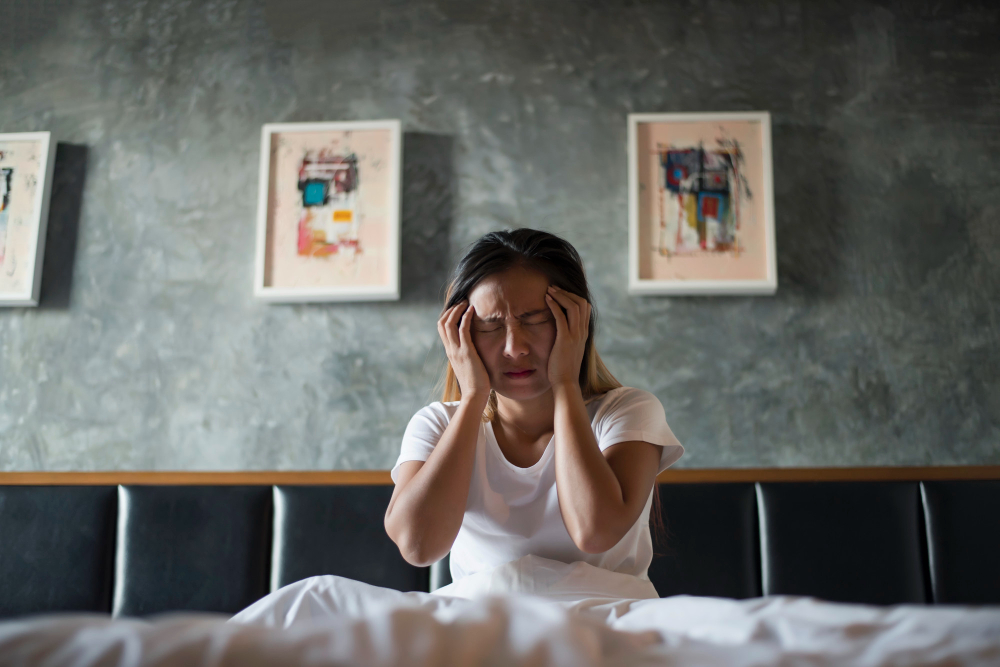
How to Support a Loved One Struggling with Depression Supporting someone with depression can feel overwhelming, but your care and understanding can make a real difference in their recovery. Depression is not just “feeling sad” — it can affect sleep, appetite, work performance, relationships, and overall health. Dr. Prabhojit Mohanty emphasizes that early recognition, empathy, and practical support can help a loved one manage symptoms more effectively. In this blog, we’ll explore how everyday challenges — from sleep disturbances to workplace stress — can impact depression, and how small lifestyle changes can support better mental health. Understanding the Daily Struggles of Depression Sleep Disturbance: The First Sign of Trouble Many people with depression struggle with poor sleep quality — difficulty falling asleep, frequent waking, or oversleeping. This can lead to fatigue, irritability, and difficulty concentrating during the day. How to Help: Encourage good sleep hygiene: a consistent bedtime, limiting caffeine, and avoiding screens before bed. Suggest gentle activities before sleep, like reading or meditation, to calm the mind. The Commute: A Hidden Stressor Long commutes can add to mental strain. For someone with depression, crowded transport, traffic, and the sheer time spent commuting can worsen anxiety and fatigue. How to Help: Explore shorter commute options, even if it means adjusting the job role or accepting slightly lower pay. Recommend listening to calming music or podcasts during the journey to reduce stress. Workplace Deadlines and Overthinking Deadlines, workplace competition, and constant multitasking can intensify feelings of being overwhelmed. Overthinking about tasks can consume mental energy, leading to procrastination and self-doubt. How to Help: Suggest breaking down tasks into smaller steps. Practice breathing exercises during short breaks to reset the mind. Appetite Changes and IBS Depression often impacts appetite — some people eat more for comfort, while others lose interest in food entirely. Prolonged stress can also trigger Irritable Bowel Syndrome (IBS), leading to stomach discomfort, bloating, or irregular bowel movements. How to Help: Promote a balanced diet with easy-to-prepare, nutrient-rich meals. Encourage seeking medical advice for IBS symptoms and adopting a gut-friendly diet. Bringing Work Home: The Cycle of Stress Many individuals with depression can’t “switch off” after work. They continue thinking about pending tasks late into the night, fueling anxiety and preventing restful sleep. How to Help: Set clear boundaries between work and home life. Use relaxation techniques like evening walks or light stretching to release tension. Coping Mechanisms for Each Phase of the Day Morning: Start with light physical activity like yoga or a short walk to release endorphins. Commute: Minimize commute time or make it more pleasant with music or mindfulness apps. Work Hours: Break tasks into smaller parts, take short breaks, and practice breathing exercises. Evening: Avoid checking work emails after hours and focus on hobbies or family time. Night: Follow a consistent sleep schedule and create a calming bedtime routine. Why Your Support Matters Depression is not a sign of weakness — it’s a medical condition that requires patience, empathy, and sometimes professional help. By offering emotional support and practical solutions, you can help your loved one rebuild their sense of balance and hope. If symptoms persist or worsen, encourage them to consult a mental health professional like Dr. Prabhojit Mohanty, who can guide them toward therapy, lifestyle adjustments, or medication if necessary. FAQs on Supporting a Loved One with Depression Q1: How can I tell if my loved one has depression? Look for changes in sleep, appetite, mood, work performance, and social withdrawal. A professional diagnosis is essential for proper treatment. Q2: Can lifestyle changes alone help with depression? Lifestyle changes like exercise, healthy eating, and good sleep can help, but professional therapy or medication may also be needed. Q3: How can I talk to someone about their depression without upsetting them? Use empathetic language, avoid judgment, and listen actively. Let them know you care and are there to help. Q4: Is depression linked to physical symptoms like IBS? Yes. Prolonged stress and depression can trigger physical symptoms, including IBS, headaches, and fatigue. Q5: When should I seek professional help for my loved one? If symptoms last for more than two weeks, worsen, or lead to self-harm thoughts, seek professional help immediately. Contact Details: Dr. Prabhojit Mohanty Psychiatrist in Mumbai, Maharashtra Address: Altiuz Hospital, 1st Floor, Link House, New Link Rd, near Malad West Malad, Rajan Pada, Chincholi Bunder, Malad West, Mumbai, Maharashtra 400064 Phone: 070082 66758 Website: psychiatristmumbai.in