
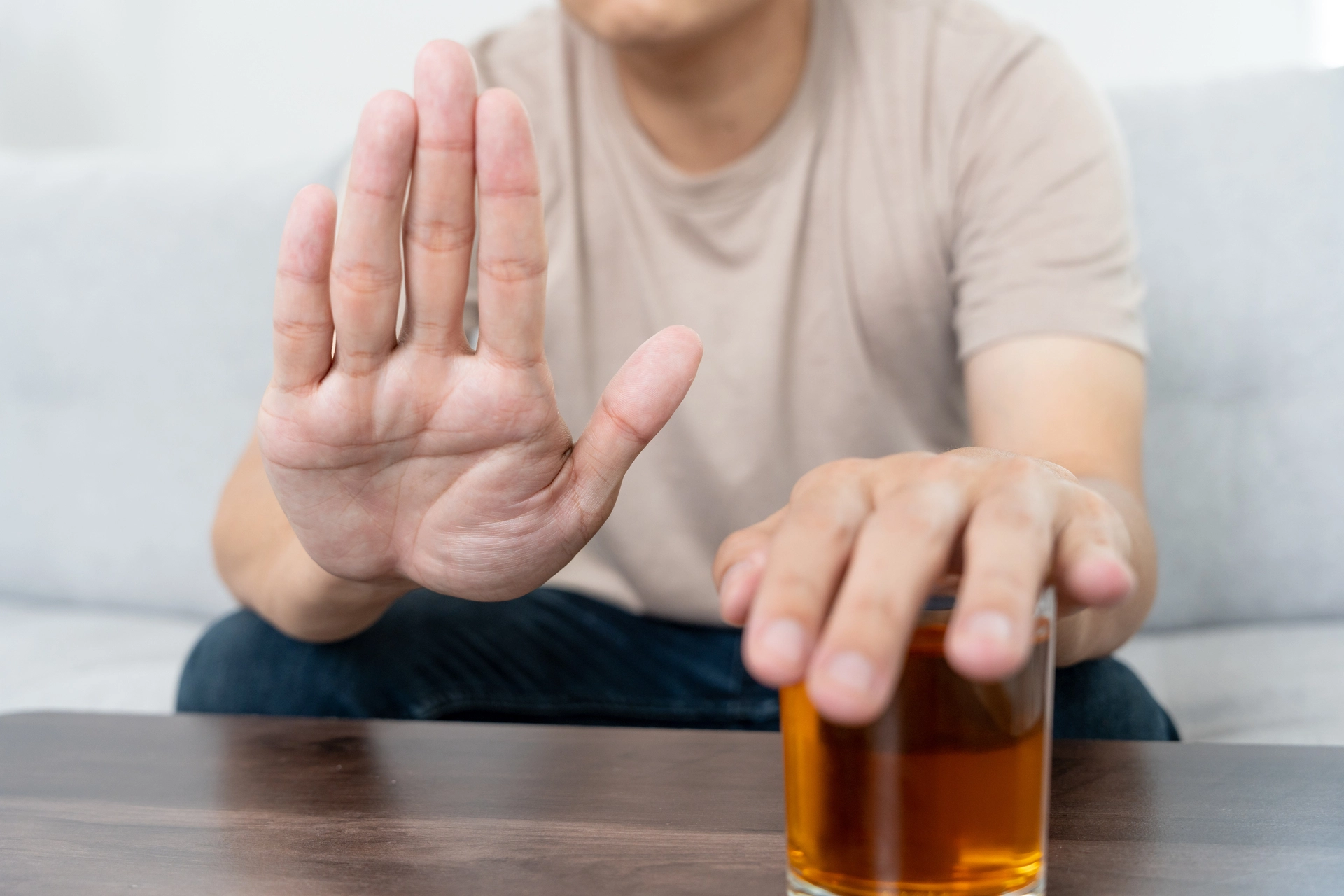
Alcohol De-addiction Treatment: What Happens During Recovery?
Alcohol addiction is not a weakness. It is a medical and psychological condition where a person finds it difficult to control drinking despite knowing its harmful effects on health, family, work, and daily life. The good news is that recovery is possible with the right diagnosis, safe treatment, counselling, and long term support.
At Dr. Prabhojit Mohanty’s clinic, patients looking for a psychiatrist in Malad and Goregaon can receive personalised support for alcohol de-addiction, addiction related emotional struggles, and relapse prevention.
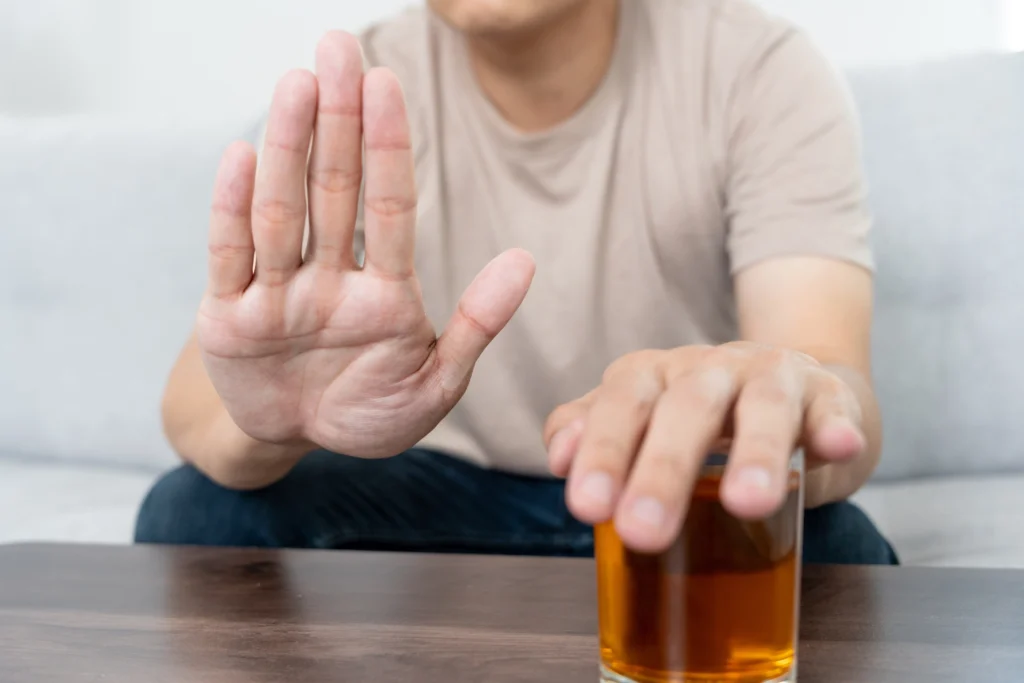
What Happens During Alcohol De-addiction Recovery?
It is a step by step process that helps the body, mind, and behaviour return to balance.
1. Detailed Assessment
he first step is understanding the patient’s drinking pattern, duration of alcohol use, withdrawal symptoms, mental health concerns, family history, sleep, stress, and lifestyle. A psychiatrist also checks whether alcohol use is linked with anxiety, depression, anger, relationship stress, work pressure, or trauma.
The assessment also includes understanding the patient’s motivation to quit alcohol and the strength of their support system, including family, friends, workplace support, and social environment.
During this stage, the psychiatrist decides whether OPD based management is suitable or whether admission is required for safer and more structured treatment.
This assessment helps create a treatment plan that suits the patient’s condition instead of using a one size fits all approach.
2. Detox and Withdrawal Management
When a person suddenly stops alcohol, withdrawal symptoms may occur. This is known as simple alcohol withdrawal. These symptoms can include sweating, shaking hands, anxiety, irritability, poor sleep, nausea, fast heartbeat, and strong cravings.
In some cases, complicated withdrawal can occur. Two major complications are seizures and confusion known as delirium tremens. Both can be life threatening and need urgent medical attention.
Alcohol related liver damage can also complicate the recovery process and may require a multidisciplinary treatment approach involving a psychiatrist, physician, gastroenterologist or other specialists when needed.
A qualified psychiatrist in Malad and Goregaon can guide safe withdrawal management with proper monitoring and medicines when required. The goal is to make the detox phase safer and more comfortable.
3. Medicines to Reduce Cravings
For some patients, medicines may be recommended to reduce alcohol cravings, manage withdrawal symptoms, improve sleep, or treat associated mental health conditions. Medication is not about replacing one addiction with another. It is used carefully as part of a structured recovery plan.
Anti-craving agents help reduce the chances of lapse and may increase the time duration between lapse and relapse, giving patients better control during recovery.
The medicine plan depends on the patient’s health, alcohol use pattern, liver condition, and emotional symptoms.
4. Counselling and Behaviour Therapy
Counselling is one of the most important parts of alcohol de-addiction treatment. It helps patients understand their triggers, such as stress, loneliness, social pressure, anger, boredom, or emotional pain.
Therapy may focus on building coping skills, saying no to alcohol, improving routines, handling cravings, and rebuilding confidence. Family counselling may also help loved ones understand how to support recovery without blame or pressure.
Types of therapy that may help during alcohol recovery include:
| Therapy Type | How It Helps |
|---|---|
| Talk Therapy | Helps patients express emotions, understand drinking patterns, and build healthier coping skills. |
| Cognitive Behavioural Therapy (CBT) | Helps identify negative thoughts and behaviours that lead to alcohol use. |
| Dialectical Behaviour Therapy (DBT) | Helps with emotional regulation, impulse control, and stress management. |
| Motivational Interviewing | Helps strengthen the patient’s motivation and readiness to change. |
| 12-Step Facilitation | Connects patients with Alcoholics Anonymous support and long term recovery principles. |
| Yoga and Meditation | Helps improve self-control, calmness, stress handling, and mind-body balance. |
| Art and Music Therapy | Supports emotional expression, relaxation, and recovery through creative methods. |
AA stands for Alcoholics Anonymous. Dr. Prabhojit Mohanty has strong ties with the AA community and can guide patients towards supportive recovery networks when appropriate.
5. Self Screening for Alcohol Concerns
The CAGE questionnaire is a simple self screening tool that can help identify possible alcohol related concerns.
| Letter | Meaning | Screening Question |
|---|---|---|
| C | Cut Down | Have you ever felt that you should cut down on your drinking? |
| A | Annoyed | Have you ever become annoyed by criticisms of your drinking? |
| G | Guilty | Have you ever felt guilty about your drinking? |
| E | Eye Opener | Have you ever had a morning eye opener to get rid of a hangover? |
How to Score
Give 1 point for every “Yes” answer.
| Score | Meaning |
|---|---|
| 0 | Low risk, but continue to monitor drinking habits. |
| 1 | Possible concern; consider speaking to a mental health professional if drinking is affecting daily life. |
| 2 or more | Clinically significant concern; professional assessment is strongly recommended. |
This screening tool is only for awareness. It does not replace a consultation with a qualified psychiatrist.
6. Relapse Prevention
Relapse does not mean failure. It means the recovery plan needs review and strengthening. A relapse prevention plan helps patients identify warning signs early, avoid high risk situations, and create healthier responses to cravings.
Regular follow ups with a psychiatrist in Malad and Goregaon can help patients stay accountable, manage emotional ups and downs, and prevent small slips from becoming a full relapse.
7. Rebuilding Life After Alcohol
Recovery is not only about quitting alcohol. It is about improving sleep, appetite, relationships, work focus, emotional balance, and self respect. Many patients slowly begin to feel more in control of their decisions and daily life.
Support from family, structured routines, therapy, medical guidance, and honest communication all play an important role in long term recovery.
When Should You Seek Help?
You should consult a psychiatrist if alcohol is affecting your health, mood, sleep, relationships, job, finances, or self control. You should also seek help if you experience withdrawal symptoms, drink secretly, feel guilty after drinking, or fail repeatedly to quit.
You should seek urgent help if you experience seizures, severe confusion, hallucinations, extreme agitation, repeated vomiting, uncontrolled shaking, fast heartbeat, or symptoms suggesting complicated withdrawal.
If your CAGE score is 2 or more, it is important to consult a psychiatrist for a detailed assessment and treatment planning.
If you are searching for a trusted psychiatrist in Malad and Goregaon, Dr. Prabhojit Mohanty offers compassionate and evidence based care for alcohol de-addiction and related mental health concerns.
Final Takeaway
Alcohol de-addiction recovery is a journey of medical care, emotional healing, behaviour change, and continuous support. With timely help, recovery becomes safer, stronger, and more sustainable.
Alcohol recovery becomes safer when it is guided by the right medical and psychological support. If alcohol is affecting your health, mood, sleep, relationships, work, or self-control, timely help can make recovery easier to begin.
Book a confidential consultation with Dr. Prabhojit Mohanty for alcohol de-addiction treatment in Mumbai.
Alcohol Recovery: What to Expect
According to ICMR’s alcohol use disorder workflow, recovery includes assessment, withdrawal care, counselling and relapse-prevention support for long-term control.
Frequently Asked Questions (FAQs)
1. What happens during alcohol de-addiction treatment?
Alcohol de-addiction treatment usually begins with a detailed assessment of drinking habits, withdrawal symptoms, physical health, mental health, sleep, stress, and family support. Based on this, the psychiatrist may suggest detox support, medicines, counselling, behaviour therapy, relapse prevention, and regular follow-ups.
2. Why is medical supervision important during alcohol withdrawal?
Medical supervision is important because sudden alcohol withdrawal can sometimes cause serious symptoms such as seizures, confusion, hallucinations, severe shaking, fast heartbeat, or delirium tremens. A psychiatrist can decide whether OPD care is safe or whether admission is needed.
3. What type of counselling helps in alcohol recovery?
Counselling for alcohol recovery may include talk therapy, Cognitive Behavioural Therapy, Motivational Interviewing, relapse prevention counselling, family counselling, and 12-step facilitation. These therapies help patients understand triggers, manage cravings, improve routines, and rebuild confidence.
4. Why do some patients need medicines for alcohol cravings?
Some patients may need medicines to reduce cravings, manage withdrawal symptoms, improve sleep, or treat related anxiety, depression, anger, or mood concerns. These medicines are prescribed carefully as part of a structured treatment plan and are not a replacement addiction.
5. What should family members do during alcohol recovery?
Family members should support recovery without blame, shame, or pressure. They can help by encouraging treatment, avoiding alcohol-related triggers at home, attending family counselling when advised, and supporting regular follow-ups with the psychiatrist.
Contact Details:
Dr. Prabhojit Mohanty
Psychiatrist in Malad, Mumbai
Address: Altiuz Hospital, 1st Floor, Link House, New Link Rd, near Malad West Malad, Rajan Pada, Chincholi Bunder, Malad West, Mumbai, Maharashtra 400064
Phone: 070082 66758
Website: psychiatristmumbai.in