
- 0 Comments
- Depression
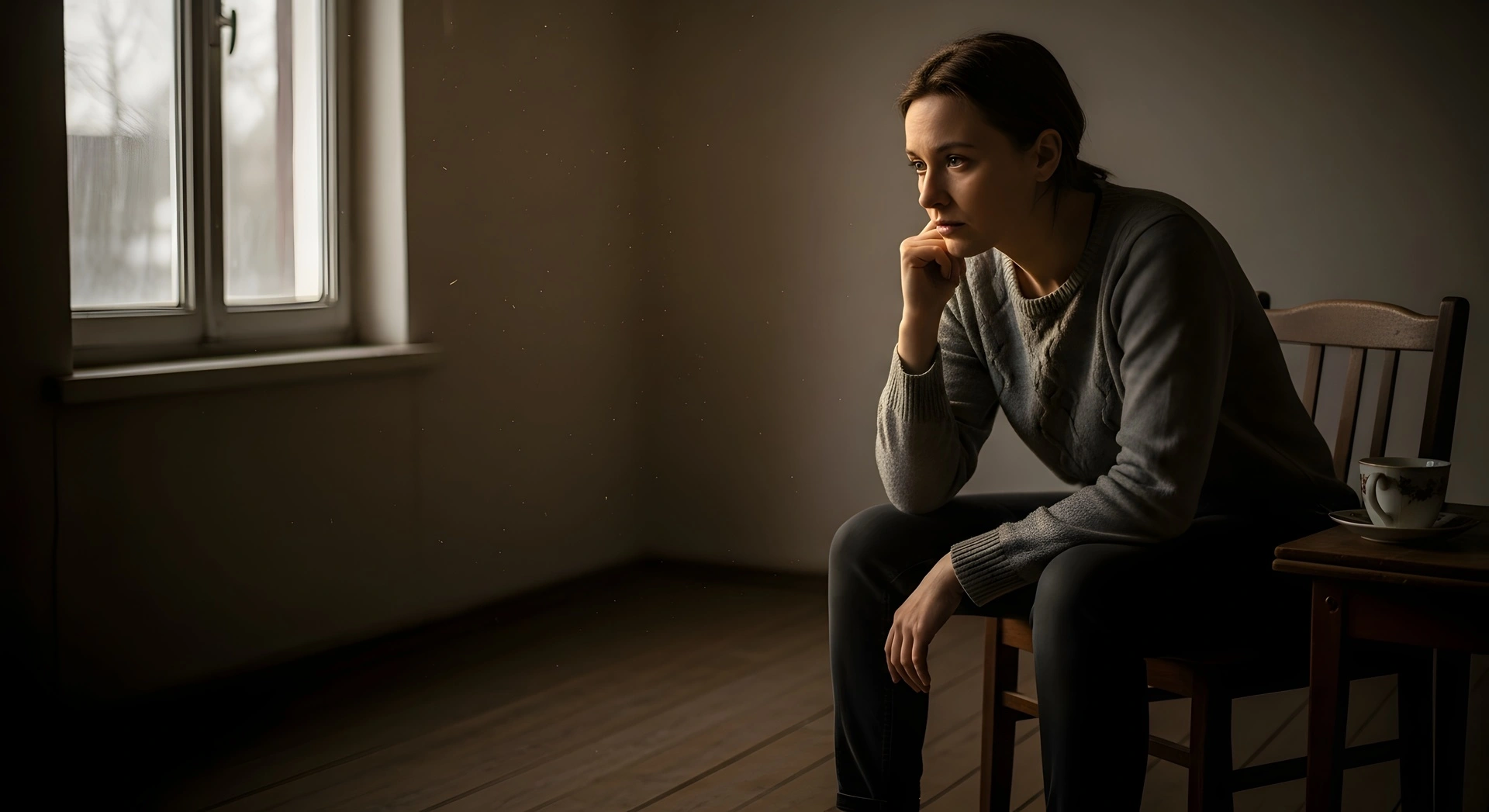
The Hidden Early Signs of Depression You Need to Know Feeling sad for a day or two is normal. But when low mood stays for weeks, affects sleep, work, relationships, appetite, or daily motivation, it may be more than “just stress.” Understanding the early signs of depression can help you seek timely support before symptoms become harder to manage. Depression is a treatable mental health condition, and early consultation with a qualified psychiatrist in Malad and Goregaon can make a meaningful difference. What Are the Early Signs of Depression? Early signs of depression are often subtle and may slowly start affecting daily life. Many people continue going to work, attending college, or managing home responsibilities while silently struggling inside. Common early warning signs include: Feeling low, empty, or emotionally heavy for most of the day Losing interest in things you once enjoyed Feeling tired even after resting Sleeping too much or having difficulty sleeping Changes in appetite or weight Difficulty focusing or making decisions Feeling guilty, hopeless, or worthless Irritability, anger, or emotional outbursts Avoiding friends, family, or social situations Frequent crying or feeling numb Thoughts like “nothing will improve” or “I cannot handle this anymore” These signs and symptoms of depression may vary from person to person. Some people may appear calm outside but feel exhausted and disconnected within. When Is Low Mood a Concern? Low mood becomes a concern when it continues for two weeks or more and starts affecting your routine. For example, you may find it difficult to wake up, complete tasks, respond to messages, attend work, study, or take care of yourself. Depression is not laziness. It is not a weakness. It is a mental health condition that can involve changes in mood, thoughts, sleep, appetite, energy, and brain functioning. Can a Depression Screening Test Help? Many people search online for a sign of depression test to understand what they are experiencing. A screening questionnaire can help you reflect on your symptoms, but it cannot replace a professional diagnosis. A psychiatrist will assess: Duration of symptoms Severity of mood changes Sleep and appetite patterns Stress, trauma, or life events Family history Medical conditions or substance use Risk of self harm or suicidal thoughts So, while an online sign of depression test may be a starting point, a proper consultation helps identify the right treatment plan. How Can a Psychiatrist Help? A psychiatrist evaluates both emotional and biological factors behind depression. Treatment may include counselling, lifestyle guidance, therapy, medication when needed, or a combination of approaches. At a psychiatrist in Mumbai. Dr Prabhojit Mohanty is listed as an MD Psychiatrist in Malad, Mumbai, offering care for depression, anxiety, OCD, addiction, and related mental health concerns. The website also mentions in person and online consultation options. For patients looking for a psychiatrist in Malad and Goregaon, timely help can support better symptom control, improved daily functioning, and long term emotional recovery. When Should You Book a Consultation? You should consider speaking to a psychiatrist if: You have felt low for more than two weeks You are unable to enjoy normal activities Your sleep or appetite has changed You feel hopeless, guilty, or emotionally numb Your work, studies, or relationships are getting affected You have thoughts of self harm Seek urgent help immediately if you feel unsafe or have thoughts of harming yourself. Final Takeaway Depression often starts quietly. Recognising the early signs of depression and understanding the signs and symptoms of depression can help you take action at the right time. You do not have to wait until things become unbearable. If you or someone close to you has been feeling low for weeks, consult a qualified psychiatrist in Malad and Goregaon for proper evaluation and support. If you’ve been feeling low, disconnected, or emotionally exhausted for weeks, seeking help is a sign of strength. Book a consultation with me and start your journey toward better mental well-being today. WHO ICD-11 on Depression Symptoms The WHO’s ICD-11 recognises depressive episodes as a health condition, making persistent low mood, loss of interest, and daily difficulty worth medical attention. Frequently Asked Questions (FAQs) 1. What are the early signs of depression? Early signs of depression may include feeling low for most of the day, losing interest in normal activities, feeling tired even after rest, changes in sleep or appetite, poor concentration, guilt, hopelessness, irritability, and social withdrawal. 2. Why does depression often go unnoticed in the beginning? Depression can go unnoticed because many people continue working, studying, or managing daily responsibilities while silently struggling. The symptoms may start slowly and may look like stress, tiredness, or mood changes at first. 3. What is a sign of depression test? A sign of depression test is usually a screening questionnaire that helps you reflect on symptoms such as mood, sleep, appetite, energy, and interest in daily activities. It can be a starting point, but it cannot replace a psychiatrist’s diagnosis. 4. Why should I consult a psychiatrist for depression symptoms? A psychiatrist can assess the duration, severity, possible causes, medical factors, risk of self-harm, and impact on daily life. This helps create a treatment plan that may include therapy, lifestyle guidance, medication when needed, or a combination of approaches. 5. What should I do if depression symptoms include self-harm thoughts? If you have thoughts of self-harm or feel unsafe, seek urgent help immediately. Speak to a trusted person, visit the nearest emergency department, or contact a mental health crisis helpline without delay. Early signs of depression may include feeling low for most of the day, losing interest in normal activities, feeling tired even after rest, changes in sleep or appetite, poor concentration, guilt, hopelessness, irritability, and social withdrawal. Depression can go unnoticed because many people continue working, studying, or managing daily responsibilities while silently struggling. The symptoms may start slowly and may look like stress, tiredness, or mood changes at first. A sign of depression test is usually a screening questionnaire that helps you reflect on symptoms such as mood,