
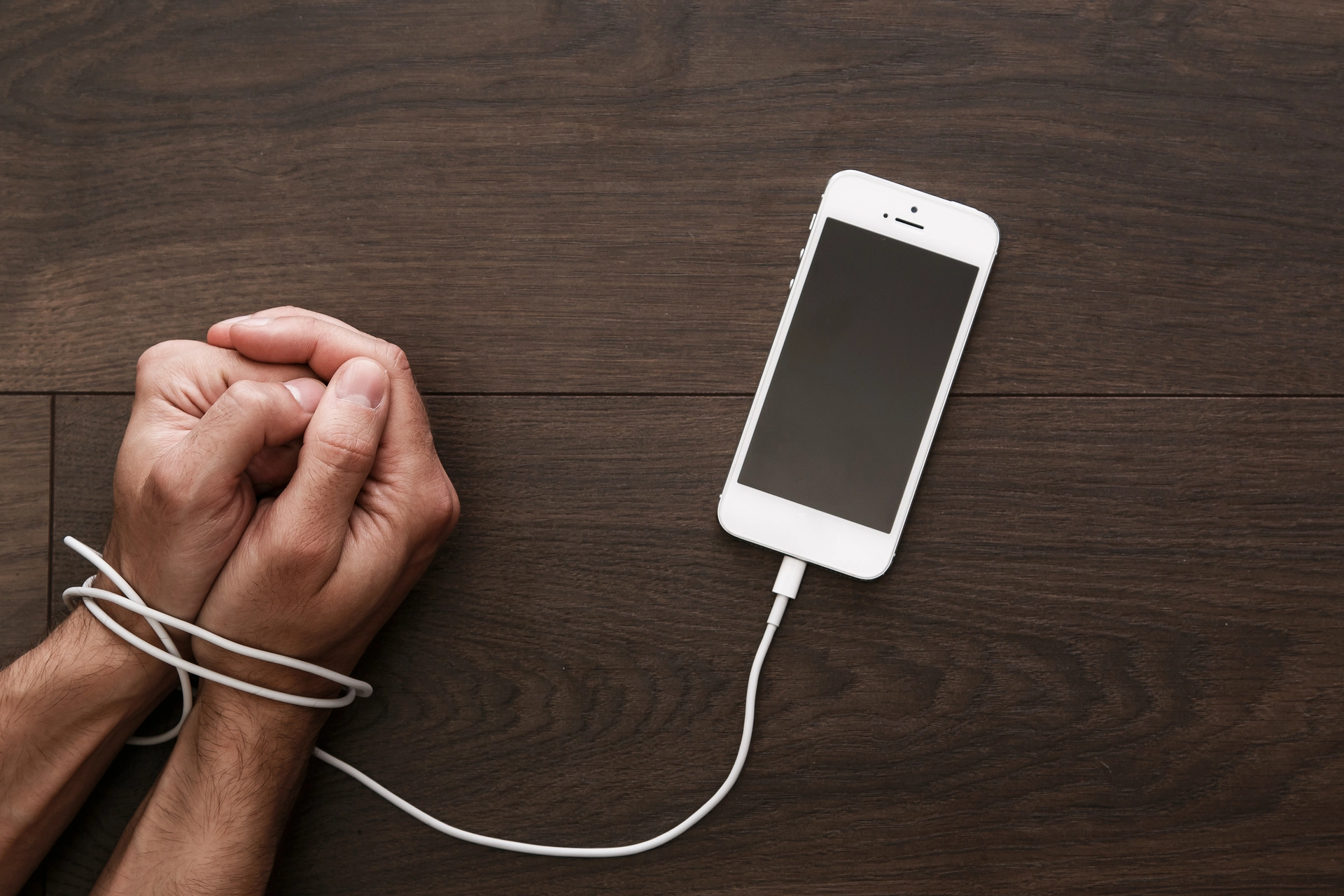
Always Checking Your Phone? Signs of Mobile or Internet Addiction
Checking your phone occasionally is a normal part of modern life. We use smartphones for work, communication, entertainment, banking, navigation and staying connected. However, when checking your phone becomes difficult to control and starts affecting your sleep, relationships, concentration or daily responsibilities, it may be a sign of problematic mobile or internet use.
The World Health Organization recognises that excessive use of smartphones, computers and internet based platforms can have negative health consequences. It also identifies addictive behaviours such as gaming disorder as clinically significant when they cause distress or interfere with everyday functioning.
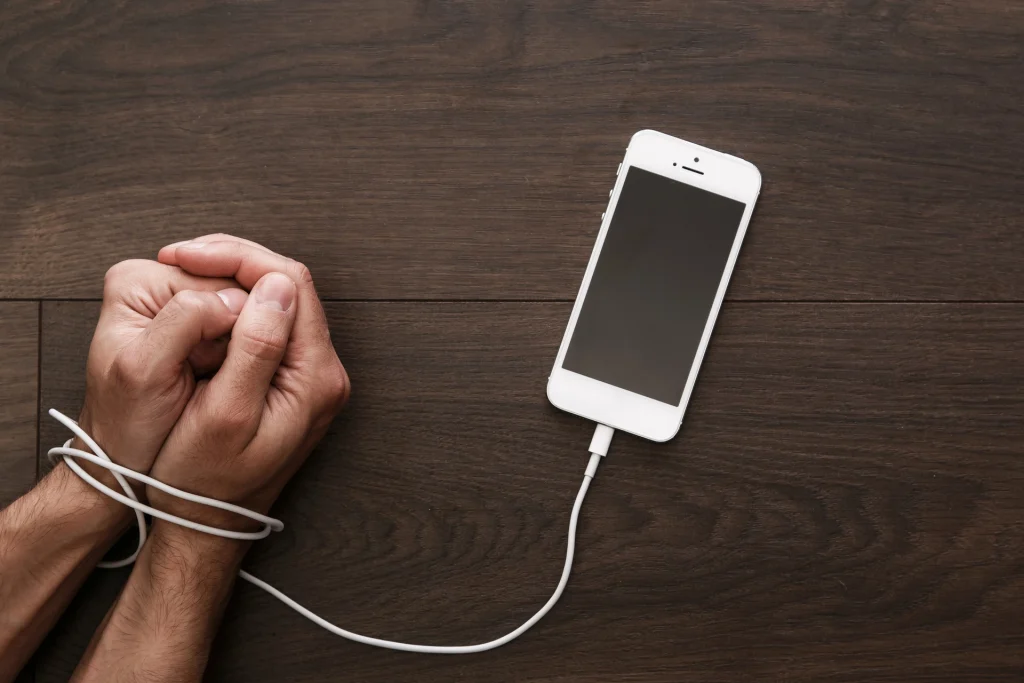
What Is Mobile or Internet Addiction?
Mobile addiction generally refers to compulsive or excessive smartphone use that becomes difficult to control. A person may repeatedly check messages, social media, videos, notifications or websites even when there is no specific reason to use the phone.
Internet addiction can involve excessive engagement with online activities such as social media, gaming, browsing or other digital platforms. Importantly, spending a lot of time online does not automatically mean someone has an addiction. The key concern is loss of control and the impact the behaviour has on everyday life.
Signs You May Be Becoming Dependent on Your Phone
Some common warning signs include:
Constantly checking your phone: You feel an urge to check notifications, messages or social media repeatedly, even without receiving an alert.
Difficulty putting the phone away: You intend to use your phone for a few minutes but continue scrolling for much longer.
Feeling anxious without your phone: You may become restless, irritated or uncomfortable when your phone is unavailable.
Poor concentration: Frequent checking can interrupt work, studies or conversations and make it harder to stay focused.
Sleep disruption: Using your phone late at night or checking it during the night can interfere with healthy sleep routines.
Neglecting responsibilities: Phone or internet use may begin taking priority over household responsibilities, work, studies, exercise or personal activities.
Reduced face to face interaction: You may prefer online engagement over spending time with family, friends or other people around you.
Using the phone to manage emotions: Some people turn to scrolling, gaming or social media whenever they feel bored, lonely, stressed or anxious.
These signs become more concerning when they persist and begin causing meaningful problems in personal, social, educational or occupational functioning.
Why Does Mobile Addiction Happen?
Mobile dependence can develop through repeated behavioural patterns. Notifications, social feedback, entertainment and easily accessible content can encourage frequent checking. Emotional factors such as stress, loneliness, boredom or anxiety may also contribute.
Clinical assessment is important because excessive digital use can sometimes occur alongside other concerns such as anxiety, depression, sleep problems or difficulties with emotional regulation.
How Can Mobile Addiction Be Managed?
The first step is recognising the pattern rather than simply trying to stop using your phone completely. Practical measures can include setting specific periods for phone use, turning off unnecessary notifications, creating phone free periods before bedtime and increasing offline activities such as exercise, hobbies and face to face social interaction.
If attempts to control phone or internet use repeatedly fail, or if the behaviour is affecting sleep, work, studies, relationships or emotional wellbeing, professional support may be helpful.
At psychiatristmumbai.in, mobile addiction, internet addiction and gaming related concerns are addressed through personalised psychiatric assessment, behavioural interventions, therapy and guidance focused on healthier digital habits.
Recognising the problem early can make it easier to regain control of your digital habits while protecting your mental wellbeing and everyday functioning.
Final Takeaway
Constantly checking your phone does not automatically mean you have an addiction. The more important questions are whether your phone use feels difficult to control and whether it is affecting your sleep, concentration, relationships or responsibilities. Recognising these patterns early can help you build healthier digital habits. If you continue to struggle with controlling your phone or internet use, a professional assessment can help identify contributing factors and provide personalised support.
For professional guidance, you can explore the Mobile Addiction service, which covers assessment, behavioural interventions, therapy and strategies for establishing healthier digital boundaries.
You can also explore the Services page to learn about other psychiatric and mental health services available.
If you would like to discuss your concerns with a psychiatrist, visit the Contact Us page to enquire about an appointment.
Frequently Asked Questions (FAQs)
1. What are the signs of mobile addiction?
Frequent checking, difficulty stopping, anxiety without your phone, poor concentration, sleep disruption and neglect of responsibilities can be warning signs.
2. How do I know if I am addicted to my phone?
Concern increases when phone use feels difficult to control and starts affecting your sleep, work, studies, relationships or daily responsibilities.
3. Can mobile addiction affect sleep?
Yes, frequent phone use at night can disrupt healthy sleep routines and make it harder to maintain consistent sleep habits.
4. Can anxiety cause excessive phone use?
Yes, some people may use their phones repeatedly to cope with boredom, loneliness, stress or anxiety, which can reinforce the habit.
5. When should I seek help for mobile addiction?
Consider professional support when repeated attempts to reduce phone use fail or excessive use significantly affects your functioning or emotional wellbeing.
Contact Details:
Dr. Prabhojit Mohanty
Psychiatrist in Malad, Mumbai
Address: Altiuz Hospital, 1st Floor, Link House, New Link Rd, near Malad West Malad, Rajan Pada, Chincholi Bunder, Malad West, Mumbai, Maharashtra 400064
Phone: 070082 66758
Website: psychiatristmumbai.in