
Morning Anxiety: Why Do I Wake Up Feeling Anxious?
Waking up with a racing mind, tight chest, uneasy stomach or a sense of dread can make the day feel difficult before it has even begun. This experience is often described as morning anxiety.
Morning anxiety is not a separate medical diagnosis. It refers to anxiety symptoms that feel strongest soon after waking. For some people, it happens occasionally during stressful periods. For others, it may be linked to an anxiety disorder, poor sleep, panic symptoms or ongoing emotional stress.
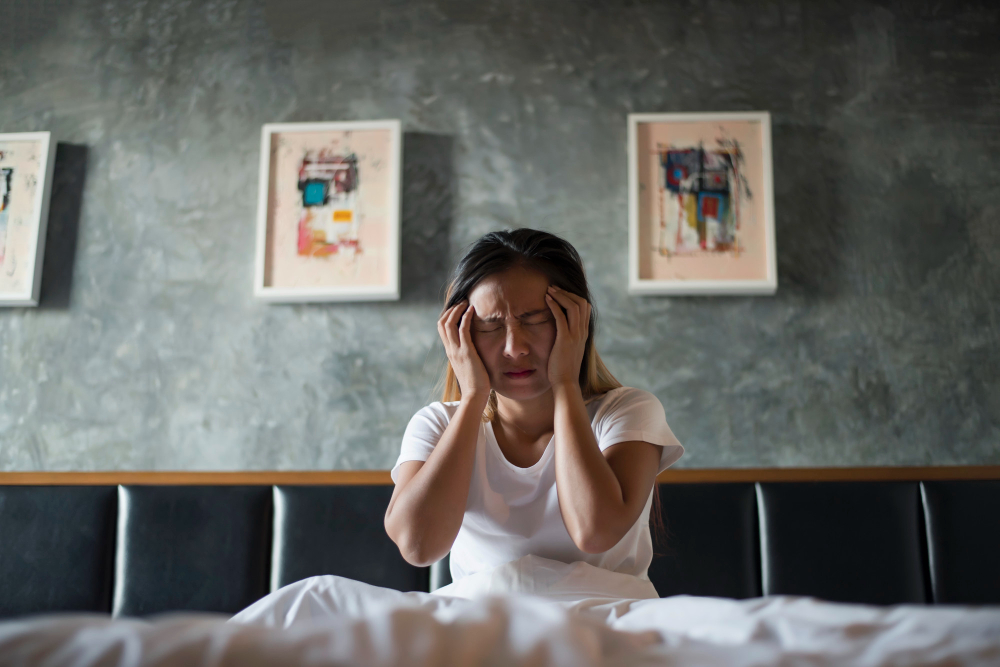
Why Does Anxiety Feel Worse in the Morning?
1. Your Body Naturally Becomes More Alert After Waking
Cortisol, one of the hormones involved in the body’s stress response, naturally rises around the time you wake up. This helps your body become alert and ready for the day.
If you are already prone to anxiety, these normal changes in alertness may make sensations such as a faster heartbeat, muscle tension or restlessness feel more noticeable.
2. Your Mind Starts Anticipating the Day
Deadlines, work pressure, family responsibilities, finances, health worries or difficult conversations can trigger “what if” thoughts as soon as you wake up.
This is known as anticipatory anxiety. Over time, the brain may begin to associate mornings with worry, making the same anxious pattern repeat.
3. Poor Sleep Can Increase Emotional Sensitivity
Difficulty falling asleep, repeatedly waking during the night, nightmares or an irregular sleep schedule can leave you tired and emotionally reactive in the morning.
Anxiety can also disturb sleep, creating a repeating anxiety sleep cycle where poor sleep increases anxiety and anxiety makes sleeping more difficult.
4. Caffeine, Nicotine and Alcohol May Contribute
Strong coffee or tea immediately after waking may worsen jitteriness, palpitations or restlessness in people who are sensitive to caffeine.
Nicotine and alcohol use or withdrawal can also affect sleep, mood and anxiety levels.
5. An Underlying Mental Health Condition May Be Present
Persistent morning anxiety can occur alongside conditions such as:
- Generalized anxiety disorder
- Panic disorder
- Depression
- Chronic stress
- Sleep disorders
The timing of anxiety alone cannot confirm a diagnosis. A proper clinical assessment is important when symptoms continue or begin affecting everyday life
What Does Morning Anxiety Feel Like?
Common morning anxiety symptoms may include:
- Racing or repetitive thoughts
- Feeling nervous or on edge
- A sense of dread without a clear reason
- Rapid heartbeat or chest tightness
- Sweating, trembling or breathlessness
- Nausea or stomach discomfort
- Loss of appetite
- Irritability
- Difficulty concentrating
- Feeling overwhelmed about the day ahead
Symptoms can vary significantly from one person to another.
How Can You Reduce Morning Anxiety?
A few consistent habits may help manage morning anxiety:
- Maintain a regular sleep and wake up schedule.
- Avoid checking stressful messages or social media immediately after waking.
- Practise slow breathing or grounding exercises for a few minutes.
- Get out of bed and begin a simple morning routine instead of staying with anxious thoughts.
- Eat regularly and stay adequately hydrated.
- Reduce excessive caffeine if it increases palpitations or shakiness.
- Include walking, stretching or other physical activity in your routine.
- Write down recurring worries and identify which concerns actually require action.
These strategies may help with symptom management, but they are not a substitute for professional treatment when anxiety is persistent or significantly affects daily functioning.
When Should You See a Psychiatrist for Morning Anxiety?
Consider seeking professional support if you are waking up anxious on most mornings, the symptoms are becoming more intense, or anxiety is affecting your sleep, work, relationships, appetite or ability to function normally.
A psychiatrist can assess your symptoms, sleep pattern, stressors, medical history and medication or substance use to understand what may be contributing.
Depending on the individual, treatment may include Cognitive Behavioural Therapy (CBT), lifestyle interventions and, when clinically appropriate, medication.
Morning anxiety can be managed effectively once its triggers and underlying causes are properly understood.
If persistent anxiety is affecting your mornings or daily life, consult Dr. Prabhojit Mohanty, Psychiatrist in Malad, Mumbai, for a confidential assessment and personalised treatment plan.
Final Takeaway
Waking up with anxiety can affect how you begin your day, but understanding the triggers and seeking timely support can help you manage symptoms effectively. Morning anxiety may be linked to stress, sleep patterns, lifestyle factors, or underlying mental health concerns that require proper evaluation.
With the right guidance, personalised treatment, and healthy coping strategies, anxiety symptoms can be managed successfully.
If you are experiencing persistent morning anxiety or anxiety that affects your daily routine, consult Dr. Prabhojit Mohanty, Psychiatrist in Malad, Goregaon, for a detailed assessment and personalised treatment approach.
Frequently Asked Questions (FAQs)
1. What is morning anxiety?
Morning anxiety refers to anxiety symptoms like worry, fear, or restlessness that feel stronger soon after waking.
2. Why do I wake up feeling anxious?
Morning anxiety may occur due to stress, poor sleep, increased cortisol levels, or underlying anxiety conditions.
3. Is morning anxiety a mental health disorder?
No, morning anxiety is not a separate diagnosis, but it can be linked to anxiety disorders, stress, or sleep problems.
4. How can I reduce morning anxiety?
Regular sleep, breathing exercises, physical activity, reducing caffeine, and managing stress may help reduce symptoms.
5. When should I see a psychiatrist for morning anxiety?
Consult a psychiatrist if anxiety occurs frequently, affects daily life, sleep, work, or relationships.
Contact Details:
Dr. Prabhojit Mohanty
Psychiatrist in Malad, Mumbai
Address: Altiuz Hospital, 1st Floor, Link House, New Link Rd, near Malad West Malad, Rajan Pada, Chincholi Bunder, Malad West, Mumbai, Maharashtra 400064
Phone: 070082 66758
Website: psychiatristmumbai.in