
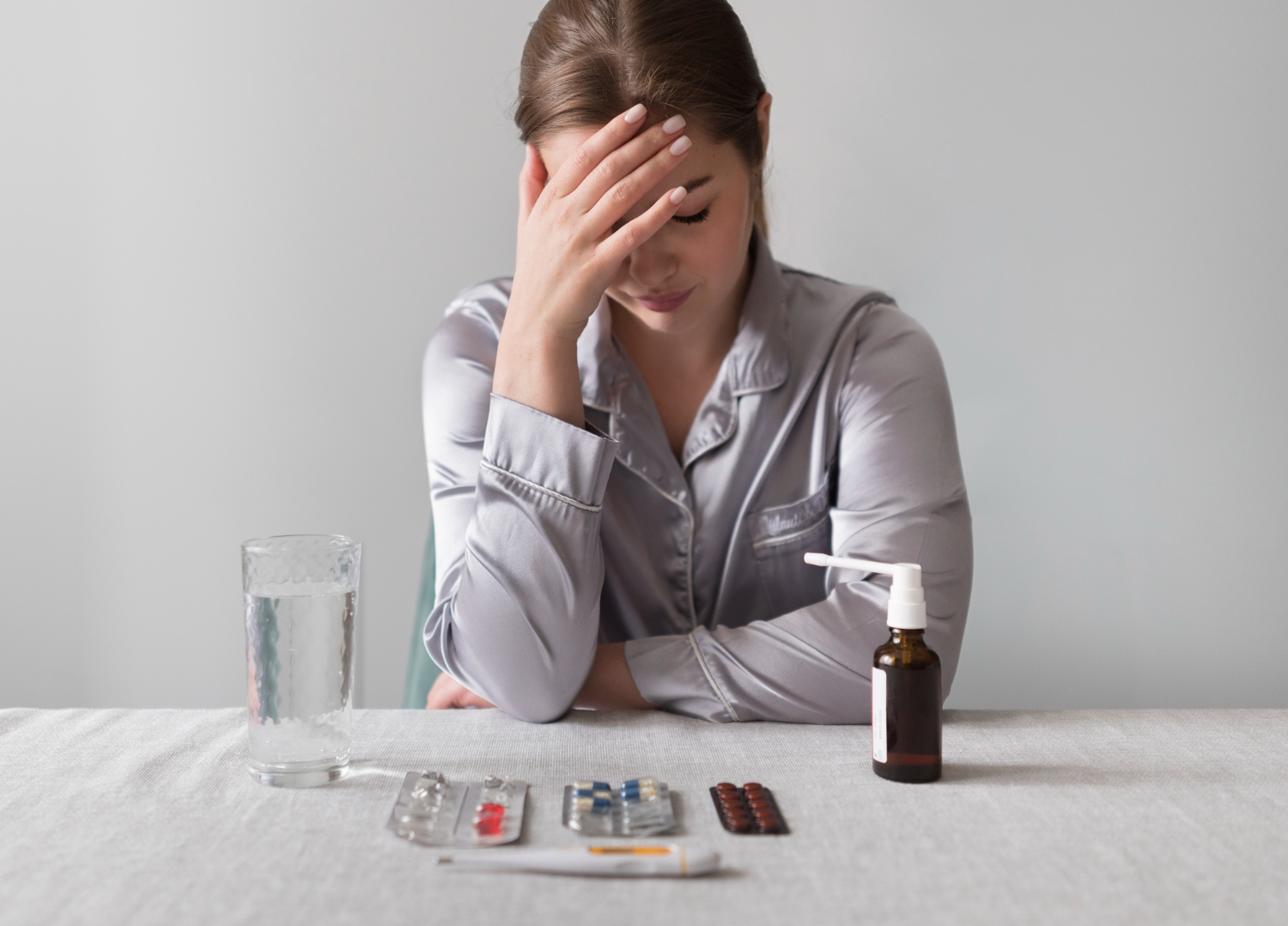
Why Psychiatric Medicines Shouldn't Be Stopped Suddenly
Psychiatric medicines should not usually be stopped suddenly because the brain and body may need time to adjust to a lower dose. Abruptly stopping certain medicines can cause withdrawal symptoms, a return of the original mental health symptoms, or in some cases serious complications. Any change in medication should therefore be planned with a psychiatrist.
Why Can Stopping Psychiatric Medicine Suddenly Cause Problems?
Medicines used for depression, anxiety, bipolar disorder, schizophrenia, sleep problems and other psychiatric conditions influence chemical signalling in the brain. When a medicine has been taken regularly, the nervous system adapts to its presence.
If the medicine is stopped abruptly, the body may not have enough time to adjust. The effects vary according to the medicine, dose, duration of treatment, individual health and how quickly the dose is reduced.
What Withdrawal Symptoms Can Occur?
Withdrawal does not necessarily mean that a person is addicted to psychiatric medication. It can simply mean that the body has adapted to a medicine and is reacting to a sudden change.
Depending on the medication, symptoms may include dizziness, nausea, headache, sleep disturbance, anxiety, irritability, restlessness, low mood, sweating, flu like sensations or unusual electric shock like sensations.
With some medicines, withdrawal can be more serious. For example, suddenly stopping certain sedative medicines can lead to severe agitation, confusion or seizures. This is why a medication plan needs to be individualised rather than copied from someone else’s experience.
Can Mental Health Symptoms Return After Stopping Medicine?
Yes. Another concern is relapse or recurrence of the condition being treated. A person may feel well and assume that medication is no longer necessary, when in reality the treatment may be helping maintain that stability.
Symptoms of depression, anxiety, panic disorder, bipolar disorder, schizophrenia or another condition may return after medication is stopped. Sometimes withdrawal symptoms and relapse can look similar, making professional assessment important.
Feeling Better Does Not Always Mean Treatment Is Complete
One of the most common reasons people consider stopping medication is that they feel better. Improvement is encouraging, but it does not automatically mean treatment should end immediately.
Psychiatrists consider several factors before reducing medication, including how long symptoms have been controlled, previous episodes, current stress, other health conditions, side effects and the risk of symptoms returning.
How Should Psychiatric Medicines Be Stopped Safely?
When stopping is appropriate, a psychiatrist may recommend gradually reducing the dose over time. This is known as tapering. The pace is different for every person and every medicine. Some medicines may be reduced over weeks, while others may require a longer and more carefully monitored plan.
Regular follow up allows the psychiatrist to check for withdrawal symptoms, changes in sleep, mood, anxiety, behaviour and daily functioning. If symptoms appear, the plan can be adjusted accordingly.
What Should You Do If You Want to Stop Your Medication?
Do not change the dose, repeatedly skip tablets or stop psychiatric medicines on your own. Speak openly with your psychiatrist about why you want to stop. Concerns about side effects, dependence, cost, pregnancy planning, long term use or feeling better are all important reasons to have a medication review.
The goal is not to keep someone on medication unnecessarily. The goal is to make treatment decisions safely based on the person’s diagnosis, progress and individual needs.
When to Seek Urgent Help
Seek urgent medical help if stopping or changing medication is followed by severe confusion, seizures, extreme agitation, suicidal thoughts, dangerous behaviour or a rapid worsening of mental health symptoms.
For personalised psychiatric medication guidance in Malad or Goregaon, Mumbai, consult Dr. Prabhojit Mohanty, MBBS, DNB Psychiatry. A professional psychiatric review can help determine whether medication should be continued, adjusted or gradually reduced while protecting mental health and recovery.
Final Takeaway
Psychiatric medicines play an important role in managing mental health conditions, but they should never be stopped suddenly without medical guidance. A safe medication change requires understanding your symptoms, treatment progress, and individual health needs.
If you are considering reducing or stopping psychiatric medicines, consult Dr. Prabhojit Mohanty, MBBS, DNB Psychiatry, for personalised guidance and a safe treatment plan.
For expert psychiatric consultation in Malad and Goregaon, Contact Us to schedule an appointment
Frequently Asked Questions (FAQs)
1. Why should psychiatric medicines not be stopped suddenly?
Stopping psychiatric medicines suddenly may cause withdrawal symptoms, return of symptoms, or other complications.
2. What happens if I stop psychiatric medication suddenly?
It can lead to dizziness, anxiety, sleep problems, mood changes, withdrawal symptoms, or worsening of the condition.
3. Does stopping psychiatric medicine mean I am addicted?
No, withdrawal symptoms usually mean the body has adapted to the medicine, not that a person is addicted.
4. How should psychiatric medicines be stopped safely?
Psychiatric medicines should be reduced gradually under a psychiatrist’s guidance through a personalised tapering plan.
5. Can mental health symptoms return after stopping medication?
Yes, conditions like depression, anxiety, bipolar disorder, or schizophrenia symptoms may return after stopping treatment.
Contact Details:
Dr. Prabhojit Mohanty
Psychiatrist in Malad, Mumbai
Address: Altiuz Hospital, 1st Floor, Link House, New Link Rd, near Malad West Malad, Rajan Pada, Chincholi Bunder, Malad West, Mumbai, Maharashtra 400064
Phone: 070082 66758
Website: psychiatristmumbai.in