
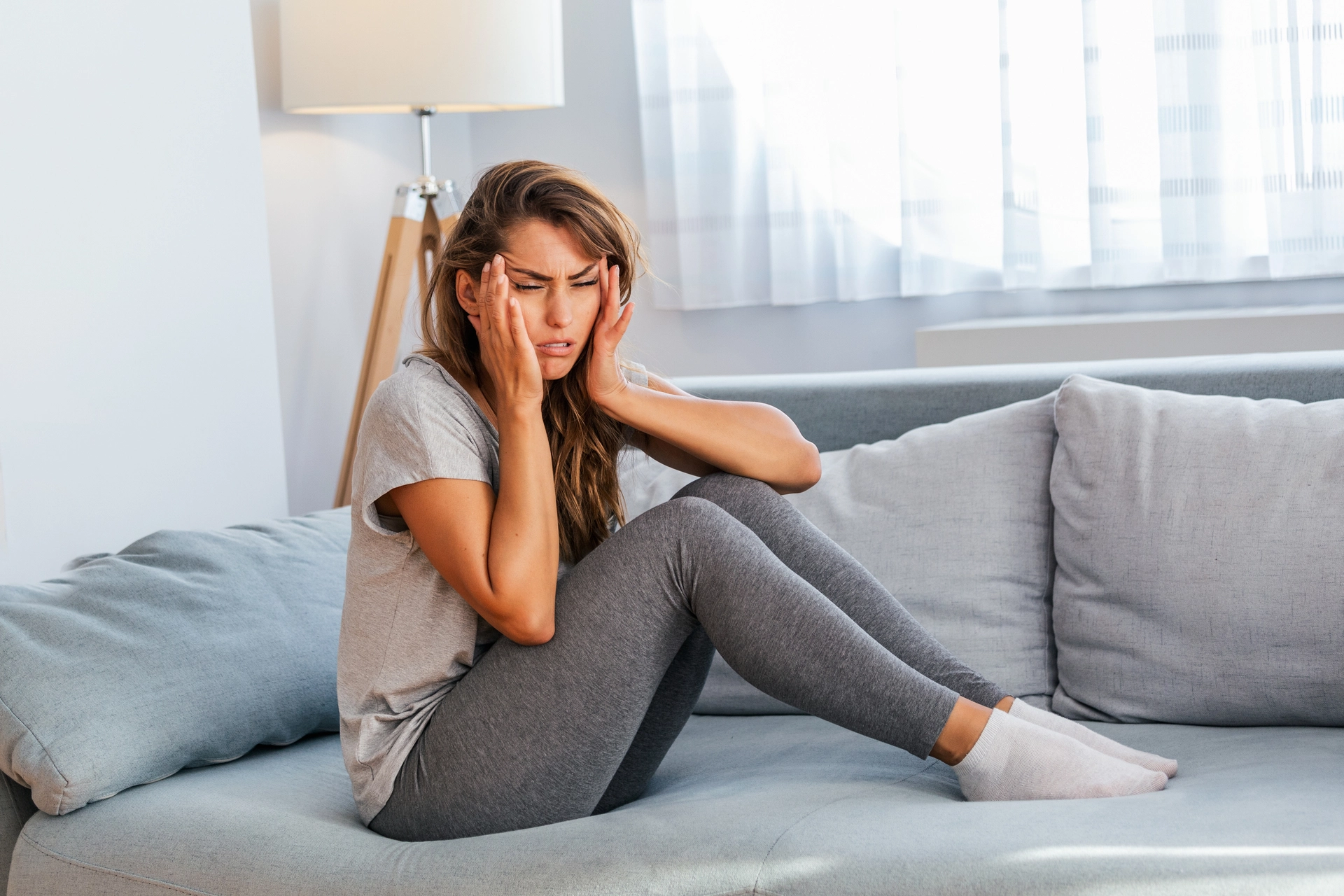
Anxiety Symptoms That Show Up Physically in the Body
Anxiety is not always “just in the mind.” For many people, it first appears through physical discomfort that can feel confusing, intense, or even frightening. From chest tightness to stomach problems, the physical symptoms of anxiety can affect nearly every part of the body and often interfere with daily life.
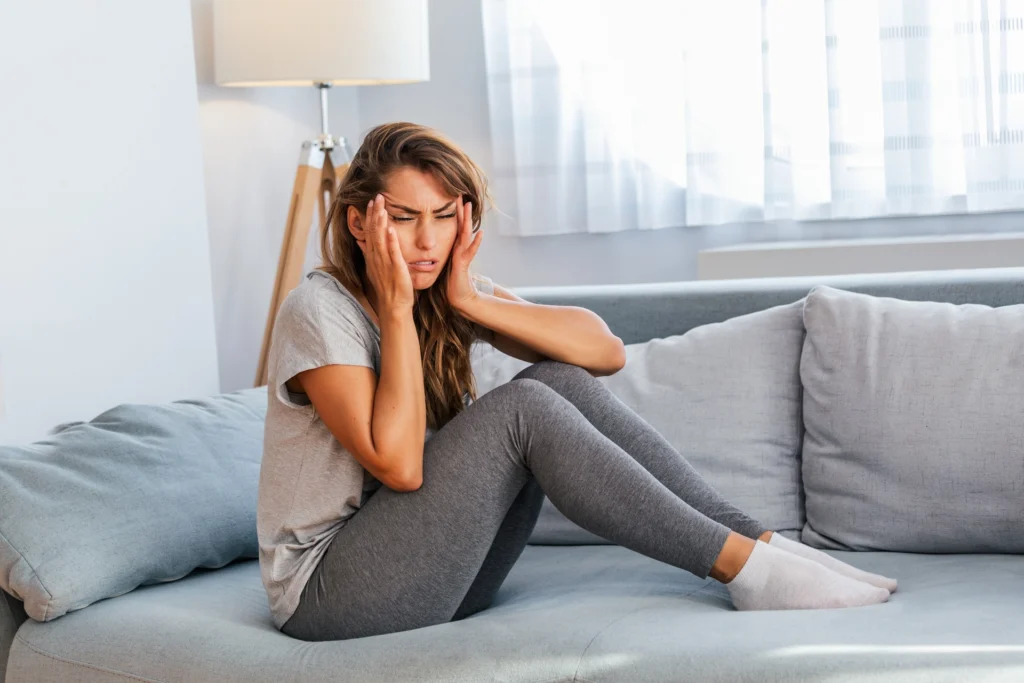
Understanding these symptoms early can help you seek the right support before anxiety starts affecting your overall health and routine.
How Anxiety Affects the Body
When the brain senses stress or danger, the body activates its “fight-or-flight” response. This releases stress hormones like adrenaline and cortisol, which prepare the body to react quickly. While this response is normal during emergencies, chronic anxiety can keep the body in a constant state of alertness.
Over time, this may lead to noticeable physical changes and symptoms.
Common Physical Symptoms of Anxiety
The physical symptoms of anxiety vary from person to person. Some people experience mild discomfort, while others may feel symptoms strong enough to believe they have a serious medical condition.
Common symptoms include:
- Rapid heartbeat or palpitations
- Chest tightness or chest pain
- Shortness of breath
- Dizziness or lightheadedness
- Muscle tension or body aches
- Sweating or trembling
- Headaches and migraines
- Nausea or stomach discomfort
- Fatigue or weakness
- Tingling or numbness in the hands and feet
- Sleep disturbances
These symptoms can come and go or worsen during stressful situations.
What Happens During an Anxiety Attack?
An anxiety attack can trigger sudden and intense physical reactions. Many people mistake it for a heart attack because the symptoms can feel severe.
Common anxiety attack physical symptoms include:
- Racing heart
- Heavy breathing or hyperventilation
- Shaking
- Sweating
- Chest pain
- Feeling faint
- Chills or hot flashes
- A sense of losing control
Although anxiety attacks are usually not life-threatening, recurring episodes should not be ignored. A medical and psychological evaluation can help identify the underlying cause.
Understanding Health Anxiety Symptoms
Some individuals constantly worry about having a serious illness despite normal medical reports. This is known as health anxiety.
Typical health anxiety symptoms may include:
- Frequently checking the body for signs of illness
- Overthinking normal sensations like headaches or fatigue
- Repeated online searching for diseases
- Fear that minor symptoms are serious
- Constant doctor visits or repeated medical testing
Health anxiety can create a cycle where stress increases physical sensations, making the fear feel even more real.
When Should You See a Doctor?
It is important not to self-diagnose anxiety. Physical symptoms such as chest pain, breathing difficulty, or dizziness should always be medically evaluated first to rule out underlying conditions.
You should seek professional help if:
- Symptoms are frequent or worsening
- Anxiety affects work, sleep, or relationships
- You avoid situations because of fear
- Panic attacks happen repeatedly
- Physical discomfort continues despite normal test results
Early diagnosis can help prevent anxiety from becoming chronic.
Anxiety Physical Symptoms Treatment
Effective anxiety physical symptoms treatment usually combines lifestyle changes, therapy, and medical support when needed.
Treatment options may include:
1. Cognitive Behavioural Therapy (CBT)
CBT helps identify thought patterns that trigger anxiety and teaches healthier coping strategies.
2. Stress Management Techniques
Deep breathing, mindfulness, meditation, and regular exercise can reduce the body’s stress response.
3. Better Sleep and Nutrition
Poor sleep and excessive caffeine can worsen anxiety symptoms. Maintaining a healthy routine often improves symptom control.
4. Medication
In some cases, doctors may prescribe anti-anxiety medication or antidepressants depending on symptom severity.
5. Professional Mental Health Support
Regular counselling or psychiatric support can help manage both emotional and physical symptoms effectively.
Frequently Asked Questions (FAQs)
1. Can anxiety cause real physical symptoms?
Yes. Anxiety can trigger genuine physical reactions in the body, including chest pain, dizziness, stomach issues, and muscle tension.
2. What are the most common physical symptoms of anxiety attacks?
Rapid heartbeat, sweating, shaking, chest tightness, shortness of breath, and dizziness are commonly reported during anxiety attacks.
3. How do health anxiety symptoms affect daily life?
Health anxiety can lead to constant worry, repeated medical visits, excessive symptom checking, and increased stress levels.
4. Can anxiety symptoms feel like a heart attack?
Yes. Anxiety attacks can mimic heart attack symptoms, which is why medical evaluation is important.
What is the best treatment for anxiety's physical symptoms?
Treatment depends on severity but may include therapy, stress management, lifestyle changes, and medication when recommended by a doctor.
Conclusion
Treatment depends on severity but may include therapy, stress management, lifestyle changes, and medication when recommended by a doctor. If physical symptoms of anxiety are affecting your daily life, seeking timely mental health support can help improve emotional and physical wellbeing. You can also explore our Anxiety Page, connect through the Contact Us Page, or book a consultation with a psychiatrist in Malad and Goregaon for personalised guidance.
Contact Details:
Dr. Prabhojit Mohanty
Psychiatrist in Malad, Mumbai
Address: Altiuz Hospital, 1st Floor, Link House, New Link Rd, near Malad West Malad, Rajan Pada, Chincholi Bunder, Malad West, Mumbai, Maharashtra 400064
Phone: 070082 66758
Website: psychiatristmumbai.in